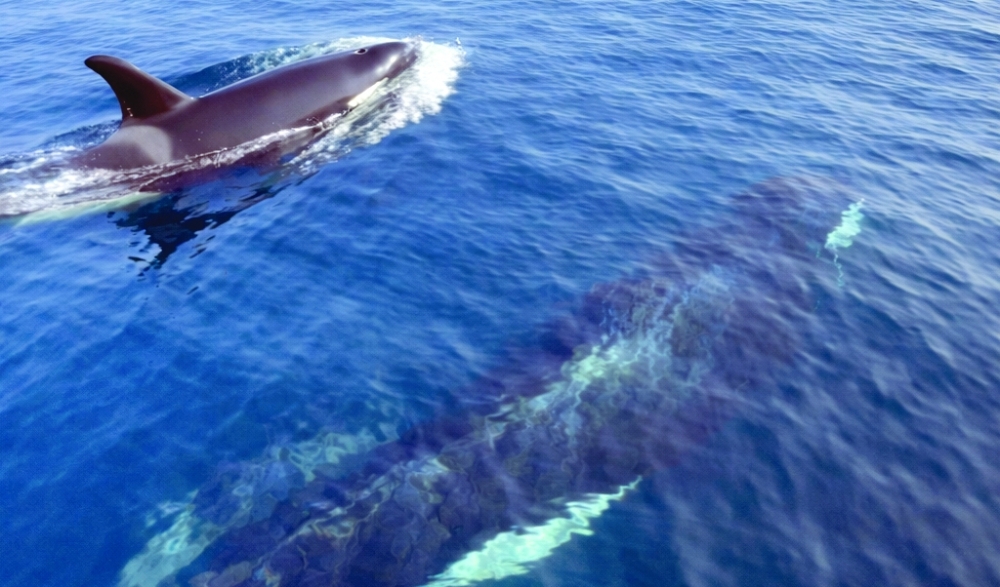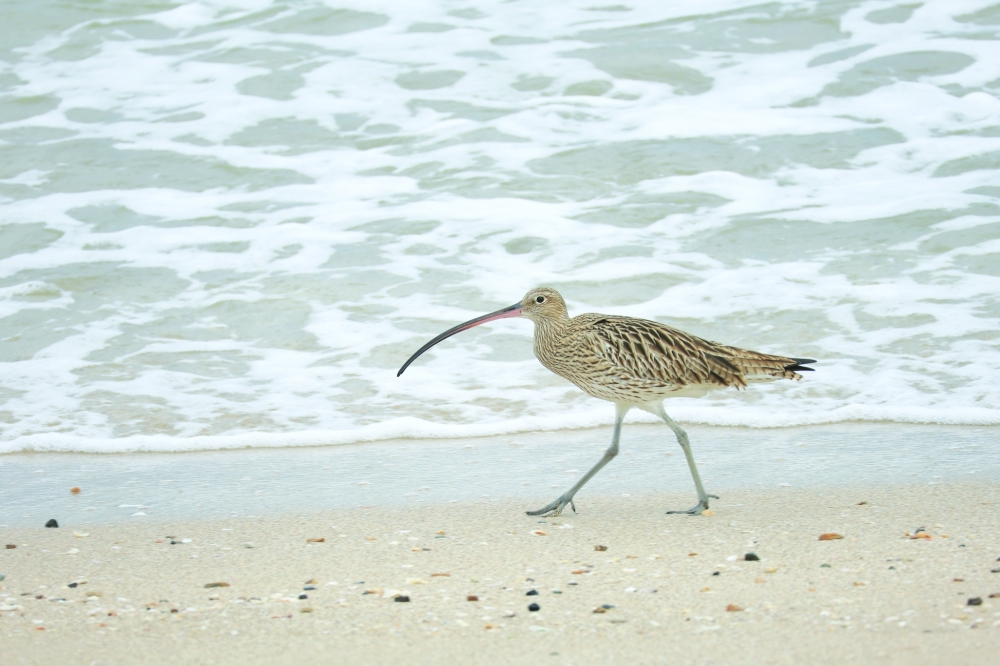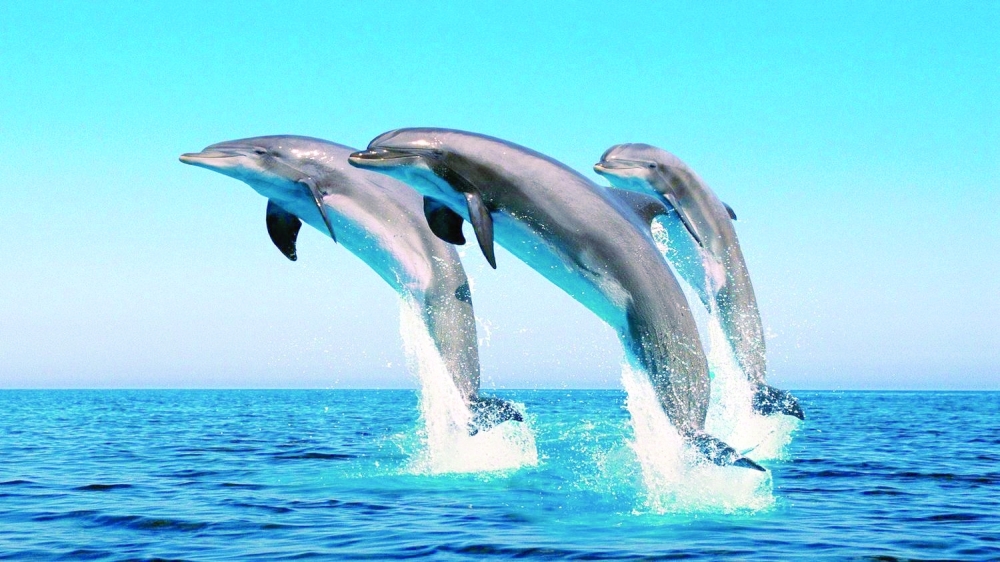





Along Oman’s coastline, dolphins remain one of the most joyful sights at sea. Whether appearing beside a boat off Muscat, moving through the fjord-like waters of Musandam, or travelling through the rich marine areas around Masirah and Dhofar, they are part of a wider natural world that gives Oman’s sea its depth and character.
Oman is considered one of the region’s important habitats for cetaceans, the group that includes whales and dolphins. According to the Environment Society of Oman, 20 species of whales and dolphins are known to occur in the Sultanate of Oman’s waters, including four species of great whales. This makes Oman a significant marine mammal habitat in the Arabian Sea region and reflects the productivity of its coastal waters, where shallow bays, offshore islands and deeper sea channels support different forms of marine life.
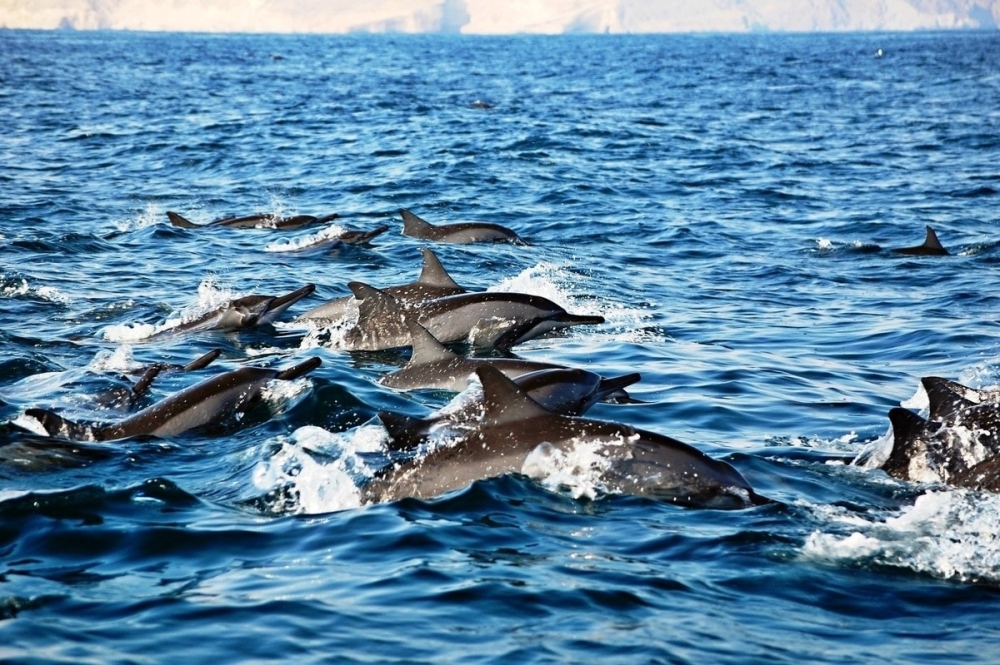
For many people, the most familiar dolphins are the spinner dolphins often seen during dolphin-watching trips around Muscat. Known for their lively movement and spinning leaps above the surface, they have become closely associated with Oman’s marine tourism experience. Bottlenose dolphins are also commonly recorded in Omani waters and are among the most frequently encountered species in coastal surveys. A scientific review of cetacean distribution in Oman listed bottlenose dolphins, long-beaked common dolphins, spinner dolphins, Indo-Pacific humpback dolphins and Risso’s dolphins among the species observed in the Sultanate of Oman’s coastal waters.
Each species adds something different to Oman’s marine story. Spinner dolphins bring movement and energy to the surface. Bottlenose dolphins, larger and more robust, are often seen travelling in groups and are known for their social behaviour. Long-beaked common dolphins are fast-moving and highly active, while Risso’s dolphins are more easily recognised by their rounded heads and pale markings. The Indian Ocean humpback dolphin is especially important because it is closely linked to shallow coastal habitats, placing it nearer to areas where fishing, boat movement and coastal activity take place.
These dolphins are not only beautiful to watch. Their presence also reflects the health of the waters they depend on. Dolphins need clean seas, stable fish populations and safe movement through their habitats. When these conditions are affected by pollution, noise, fishing pressure or disturbance from vessels, marine mammals can become vulnerable. For Oman, where the sea is closely tied to tourism, fishing, heritage and community life, protecting dolphins also means protecting the wider marine environment.
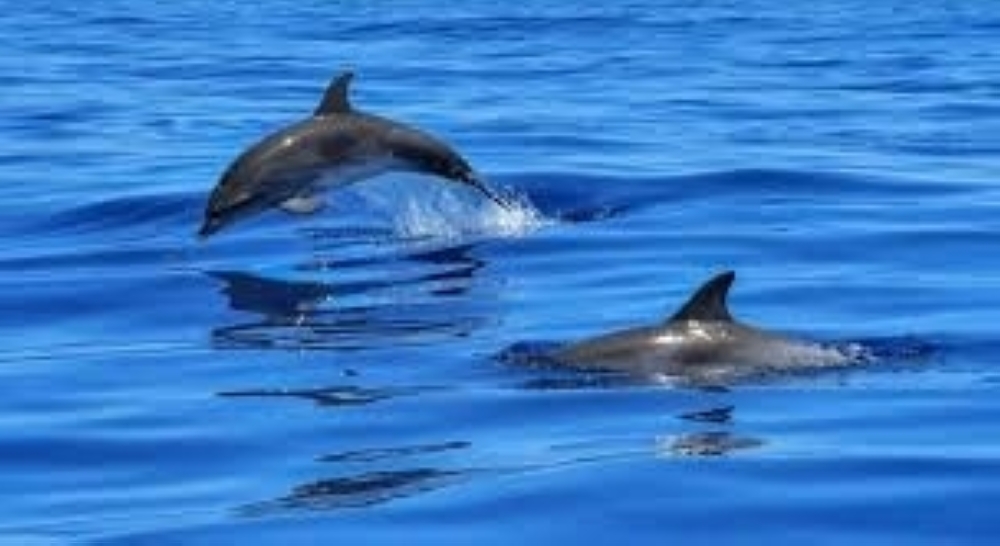
Dolphin-watching has become one of Oman’s most accessible nature-based experiences, particularly in Muscat and Musandam. For visitors, it offers a memorable encounter with the Sultanate of Oman’s coastline. For local operators, it creates opportunities linked to responsible tourism and environmental awareness. The experience, however, depends on careful behaviour at sea. Boats should avoid chasing dolphins, cutting across their path or crowding them. Keeping a respectful distance allows people to enjoy the sight while reducing stress on the animals.
Oman’s marine life also carries wider scientific importance. The Sultanate of Oman’s waters are home not only to dolphins, but also to the Arabian Sea humpback whale, one of the world’s most distinct whale populations. Unlike many humpback whales that migrate long distances, this population is understood to remain in the region year-round and is considered highly vulnerable. Its presence adds to Oman’s role as an important area for marine mammal research and conservation.
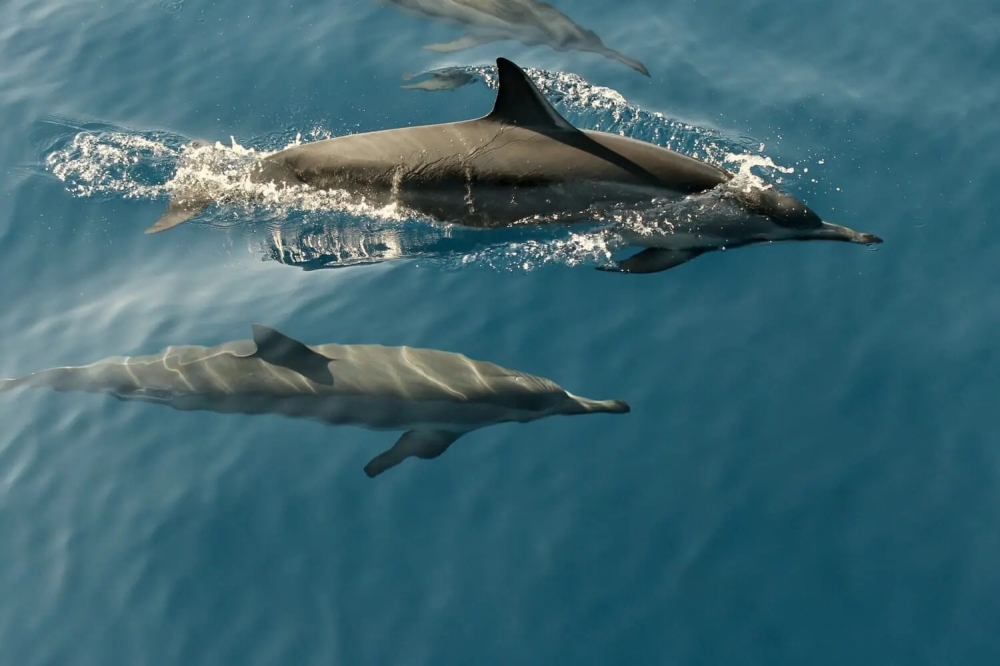
In many ways, dolphins offer a simple but powerful reminder of what makes Oman’s coastline special. They are part of the country’s natural beauty, but also part of a living ecosystem that needs care. As Oman continues to develop its coastal tourism and blue economy, these animals can remain a symbol of the sea’s richness, provided the waters they depend on are protected for generations to come.
Oman Observer is now on the WhatsApp channel. Click here