




For a long time, Malaak al Lawati thought fish were boring. “The sort of creatures you see at pet shops, admire for two seconds and never really think about again”, she admits. The ocean, despite always being close, felt distant, familiar, but unexplored. That quiet indifference ended with a book.
Reading The Soul of an Octopus by Sy Montgomery changed how Malaak saw the sea entirely. As she turned each page, she learned about octopuses that used tools, solved puzzles, recognised people and even showed preference. “I remember putting the book down and thinking, Wait. Octopuses are pretty cool. What else am I missing?”
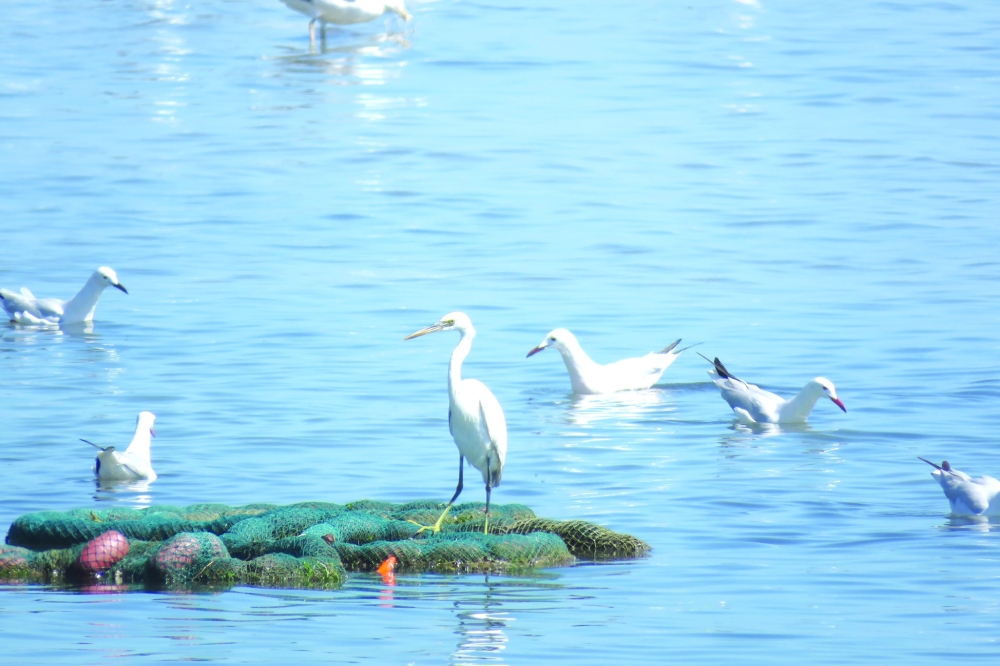
That question stayed with her. Living beside the sea her whole life yet knowing so little about it suddenly felt unsettling. “I realised I had been living next to the sea my whole life, but I barely knew anything about how the ocean worked, what animals lived there, or how important marine ecosystems are for our livelihoods”. That realisation pushed her to study marine biology at Bangor University in North Wales and eventually back home, to Oman’s coastlines.
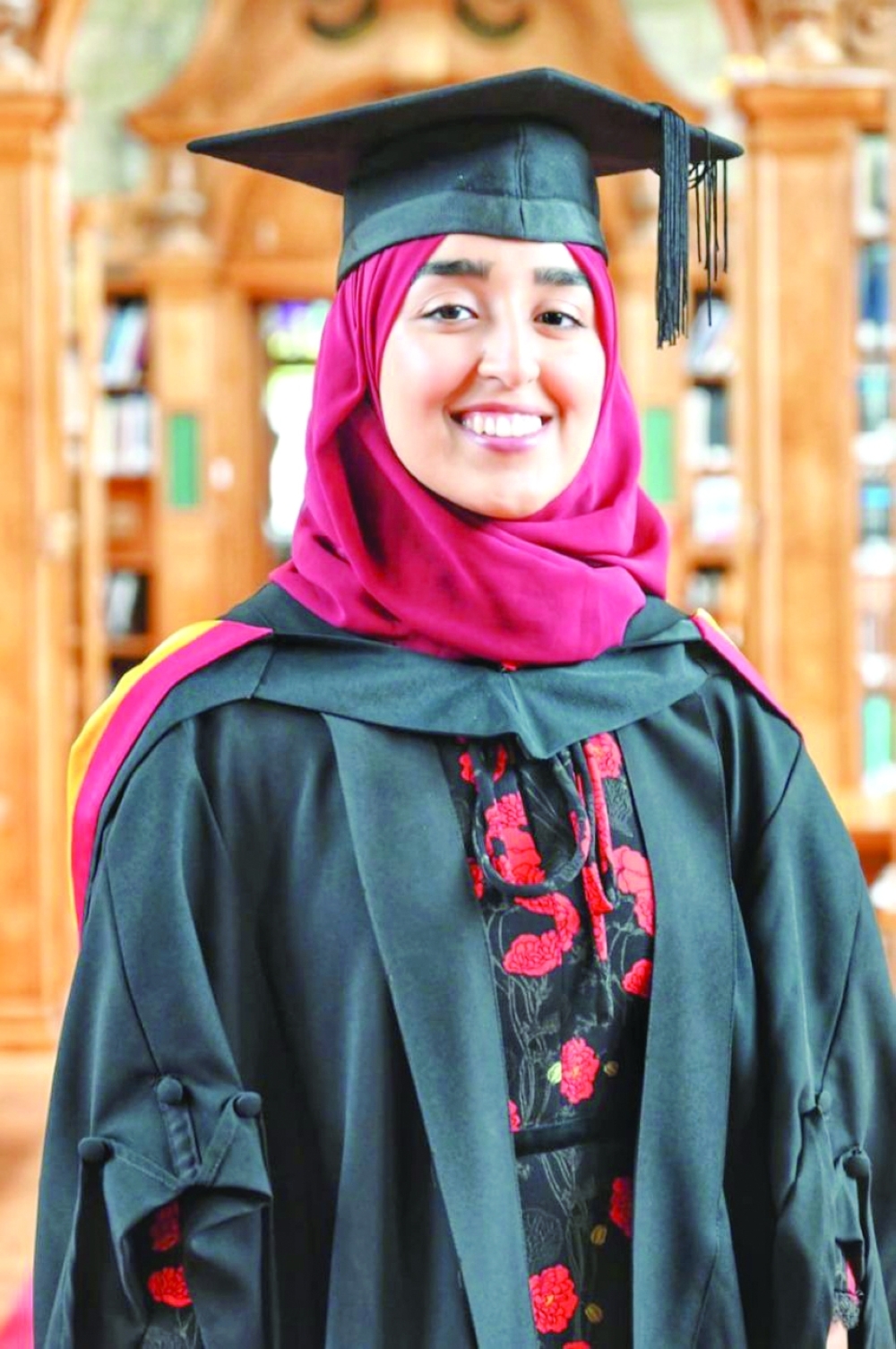
Today, Malaak is a marine biologist and science communicator whose work centres on places most people never think twice about. One of them is Barr Al Hikman, a vast wetland in Al Wusta Governorate that she describes with awe. “Once you understand what actually goes on at Barr Al Hikman”, she says, “you realise just how dramatically wild and awesome this place is”.
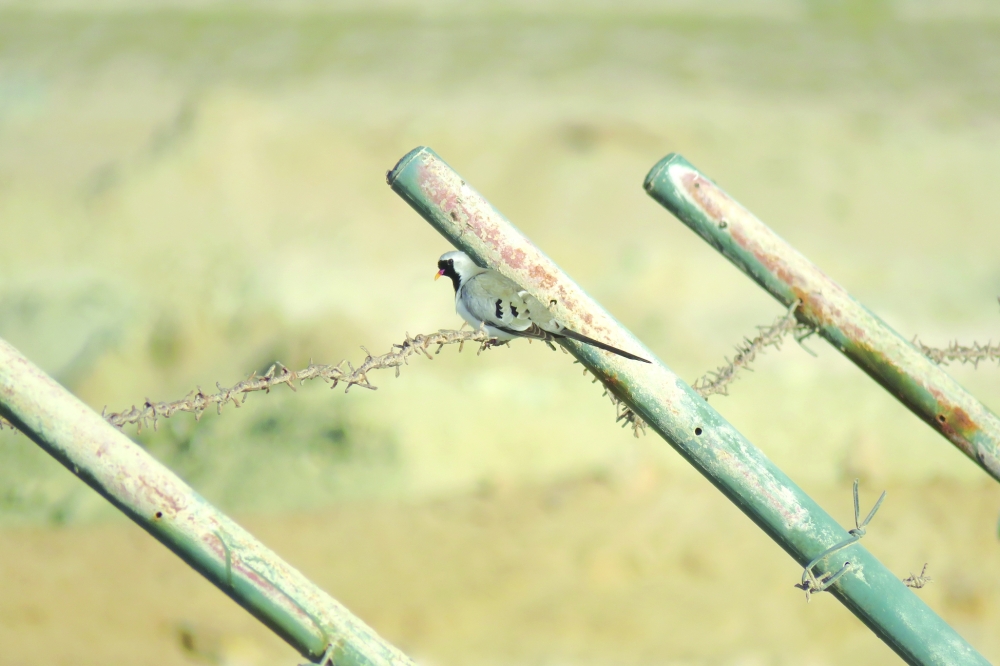
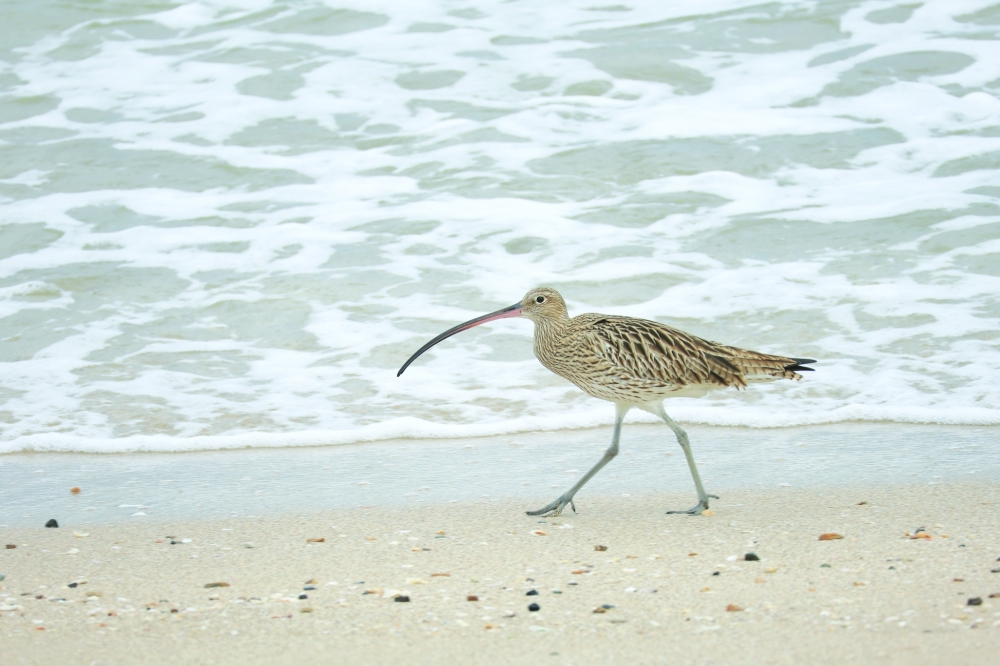
Every winter, more than half a million migratory birds arrive there after flying thousands of kilometres from the Arctic and Central Asia. Exhausted and operating on a strict energy budget, they depend on Barr Al Hikman to survive. Malaak often explains it through a vivid analogy. “Imagine driving from Muscat to Salalah with no petrol stations, no restaurants, no rest stops. Migratory birds face the same problem, except their journey spans continents and running out of fuel doesn’t mean being stranded, it means death”.
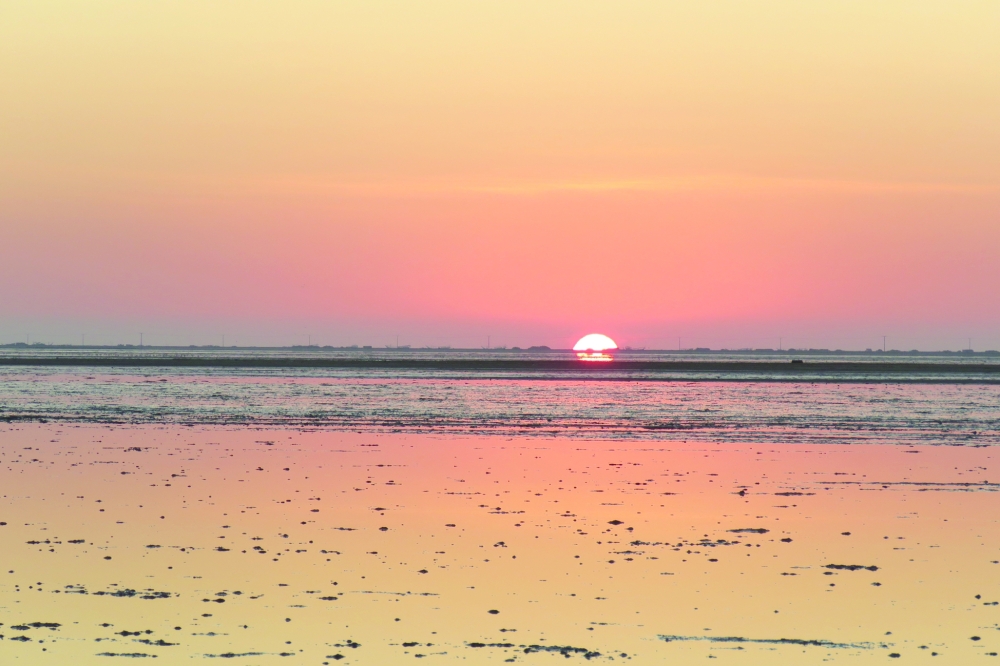
At low tide, the sea retreats to reveal nearly 190 square kilometres of mudflat. To the human eye, it may look empty. “But to a bird”, Malaak says, “it’s basically a massive buffet”. Beneath the surface, worms, crabs and shellfish thrive, feeding hundreds of thousands of birds at once. When the tide returns, surrounding sabkhas and dunes offer safe, elevated places to rest, digest and wait for the next feeding window.
Barr Al Hikman is not just a stopover. It is a biological engine. “It’s a mosaic of lagoons, mudflats, mangroves, seagrass beds and coral reefs, all put together into one highly productive coastal system”, Malaak explains. These habitats serve as nurseries for fish and crabs, feeding grounds for turtles, dolphins and whales; and the foundation of Oman’s fishing economy. “The fish and swimming crabs we depend on begin their lives in places like Barr Al Hikman”.
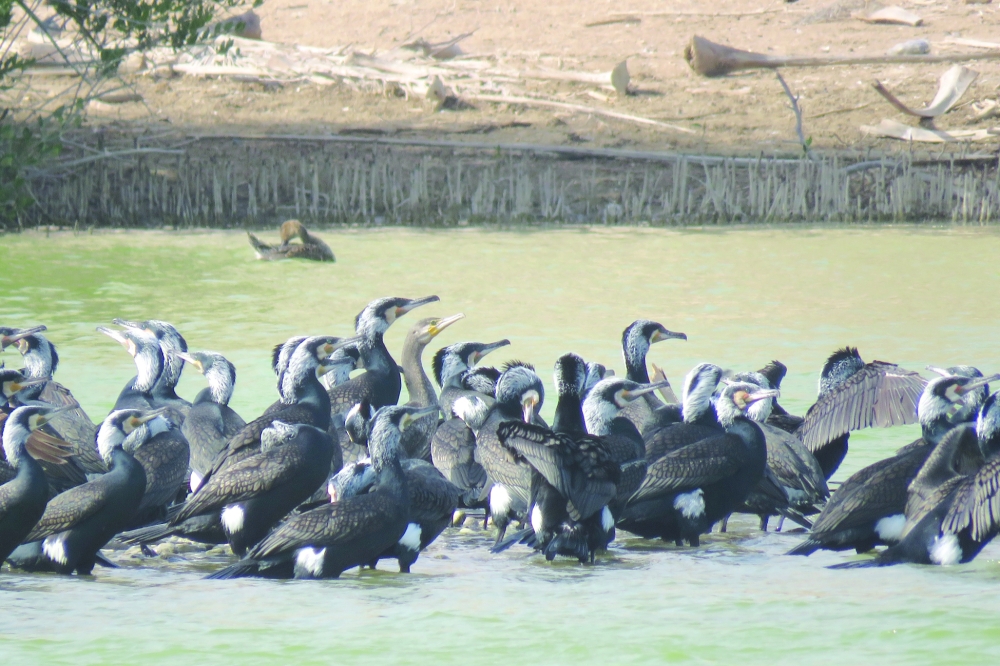
Each January, Malaak joins teams of scientists and bird ringers who spend days counting and tagging birds at the site. Ringing involves placing a small, lightweight band on a bird’s leg, linking it to an international database. “Over time”, she explains, “this allows us to reconstruct entire migration routes across continents”. These counts act as a health check. “When over half a million birds continue to choose this site every winter, it tells us the ecosystem is still functioning. If those numbers drop, it’s an early warning that something is wrong”.
Despite its remoteness, Barr Al Hikman is under increasing pressure. Tourism is growing, coastal development is expanding and climate change adds another layer of stress. “You might think such a remote place is safe from human impact”, Malaak says, “but that’s not true at all”. Without facilities or enforcement, even well-intentioned visitors can cause damage. “That pristine, vital ecosystem can be changed faster than it took centuries to form”.
Science alone, she believes, is not enough. Communication is essential. “When it comes to the environment, we have a huge invisibility problem”, Malaak says. “Finance, technology and tourism take the front stage, but the environment is the stage itself. Everything else relies on it”. Through her platform @Naturelab.om, she translates research into accessible stories, helping people understand why wetlands, reefs and nesting beaches matter.
Her work has not gone unnoticed. Being featured on BBC Global Women was a turning point. “I felt humbled”, she says, “but more than anything, I was happy because it put a spotlight on Omani biodiversity and the people working to protect it”. The recognition amplified her advocacy, drawing more people into the conversation.
As a young Omani woman in marine science, Malaak has navigated a field where opportunities are still limited. “Oman sits at the intersection of three seas and relies heavily on the ocean”, she says, “yet marine science remains an untapped potential”. Rather than discouraging her, those gaps shaped her resolve. “Given the opportunity”, she adds, “Omani women are more than capable of working at sea, conducting research and leading conservation efforts”.
Looking ahead, Malaak’s hope is clear. “The choices we make today”, she says, “will define whether Oman safeguards its natural heritage or spends the future managing loss instead of resilience”.
For Malaak al Lawati, the ocean is no longer something to pass by without thought. It is a living system worth noticing, understanding and protecting; and she is determined to make sure others see it too.
Oman Observer is now on the WhatsApp channel. Click here