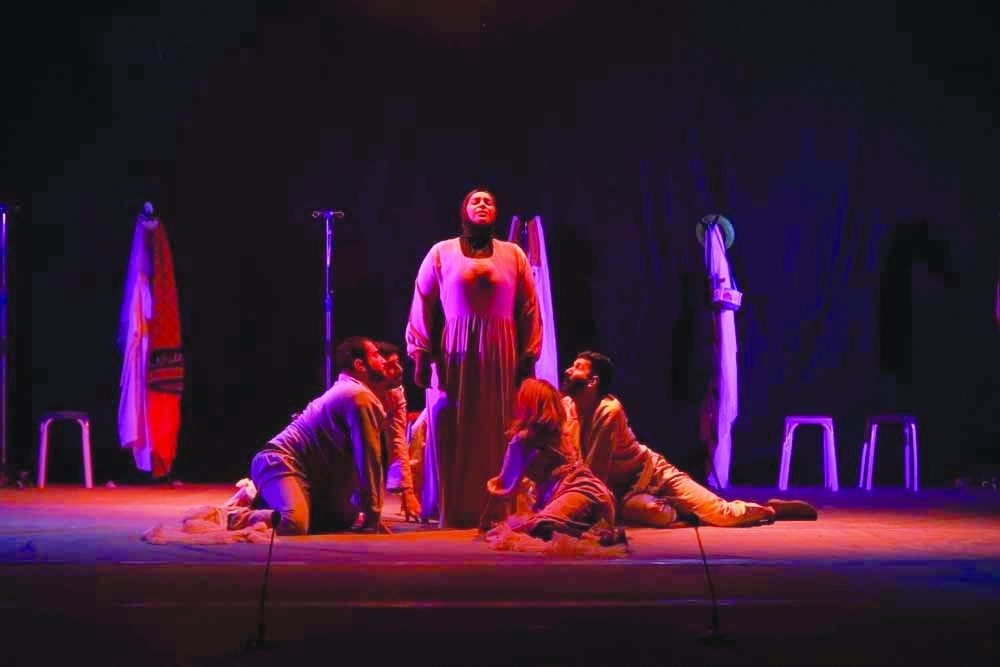





MUSCAT: The Sultanate of Oman joined the global observance of World Kiswahili Language Day, celebrating the rich historical and cultural connections between Oman and East Africa, as communities across Muscat and Salalah marked the occasion under the theme 'Kiswahili for Peace, Solidarity and Global Economic Diplomacy.'
The event highlighted the growing role of Kiswahili in promoting dialogue, education, cultural identity, regional integration and international cooperation, while reflecting the deep-rooted ties between Oman and East Africa shaped by centuries of maritime exchange and shared history.
Kiswahili is widely spoken in Oman, with estimates ranging between 22,000 and 50,000 speakers, mainly concentrated in Muscat and coastal areas. The language connection dates back to the period between the 17th and 19th centuries, when Oman maintained strong political, commercial and cultural links with Zanzibar and the East African coast.
Many Omani families of Zanzibari and East African heritage continue to use Kiswahili as a heritage language within their homes and communities, preserving a unique cultural bond that has endured for generations.
Unesco established World Kiswahili Language Day in 2021 to recognise the language’s contribution to peace, cultural diversity and unity among its more than 200 million speakers worldwide.
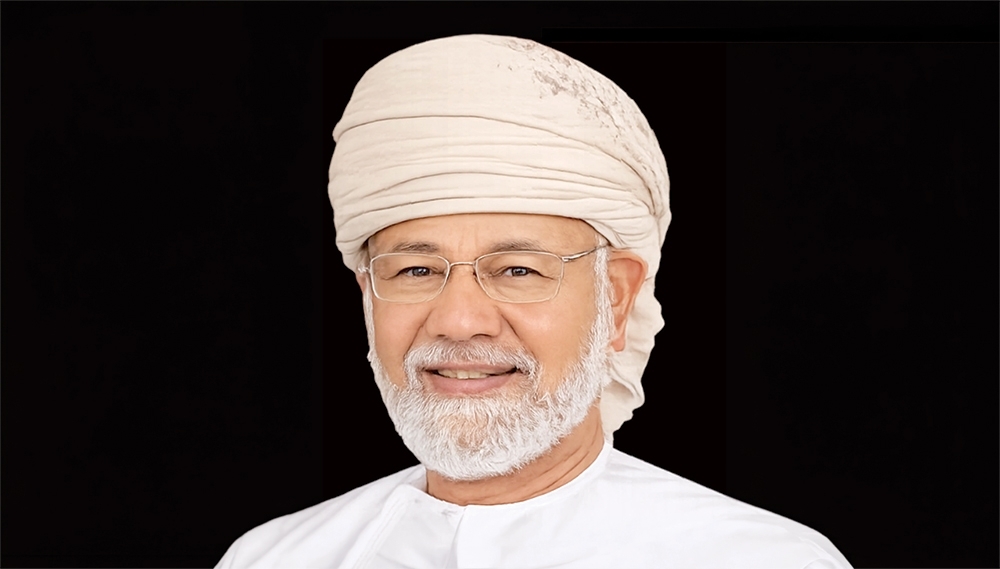
Speaking to Observer, Professor Ibrahim bin Noor bin Shariff al Bakry, a linguist and retired professor of Arts at Sultan Qaboos University, highlighted the historic linguistic connections between Oman and East Africa, noting the significant influence of Arabic on Kiswahili.
He explained that centuries of maritime trade and interaction between the Arabian Peninsula and East Africa resulted in thousands of Arabic loanwords becoming part of the Kiswahili vocabulary, reflecting the close cultural exchanges between the two regions.
“Kiswahili carries within it a history of interaction between different communities. The influence of Arabic, particularly through Omani connections with the East African coast, remains an important part of its development,” he said.
Prof Al Bakry noted that while Kiswahili has strong Bantu linguistic foundations, its vocabulary reflects contributions from various cultures, including a substantial Arabic influence resulting from centuries of trade, migration and settlement.
He added that the relationship between Oman and East Africa extends beyond language, encompassing shared traditions, cultural practices and historical links that continue to strengthen ties between the two regions.
The celebration of World Kiswahili Language Day in Oman serves as a reminder of these enduring connections and the role of language as a bridge for cultural understanding, cooperation and friendship among peoples.
Oman Observer is now on the WhatsApp channel. Click here