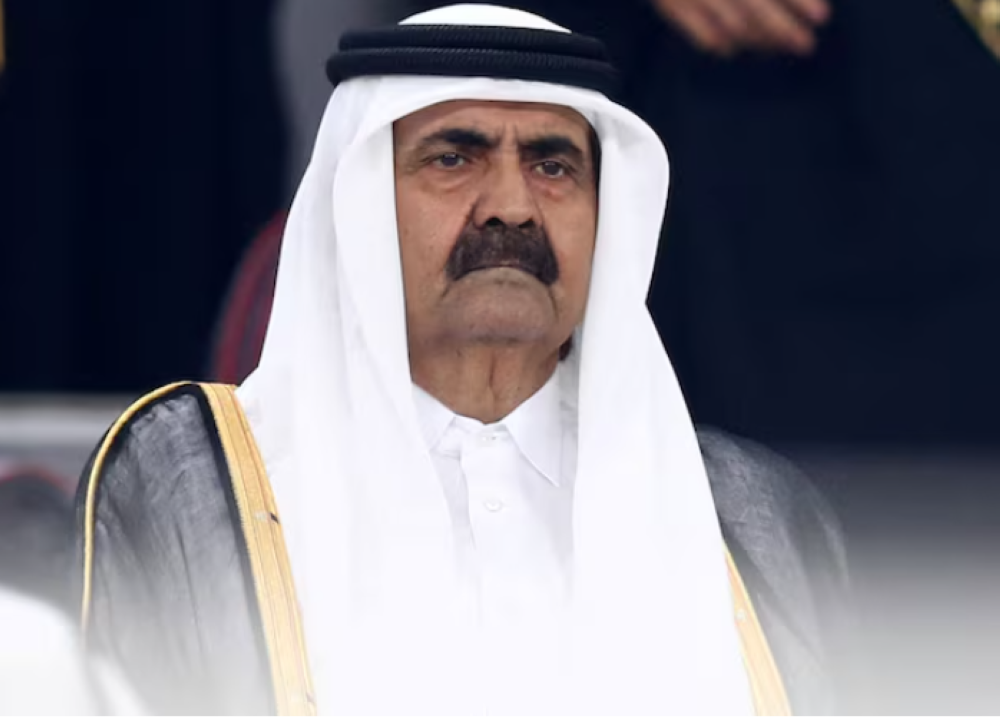





Muscat: Qatar on Sunday announced the death of Shaikh Hamad bin Khalifa al Thani, the former Emir of the State of Qatar, whose name became closely associated with the country’s sweeping economic and political transformation during the final decades of the 20th century and the early years of the 21st century.
The Emiri Diwan said the “Father Emir” died on July 12, 2026, at the age of 74.
Shaikh Hamad ruled Qatar for 18 years, during which he elevated the country’s position far beyond its geographical size in energy markets, media influence and international diplomacy. By the time he stepped down in 2013, Qatar had become a leading producer of liquefied natural gas, the home of a powerful media network, a hub for investment and political mediation, and the first Middle Eastern nation preparing to host the FIFA World Cup.
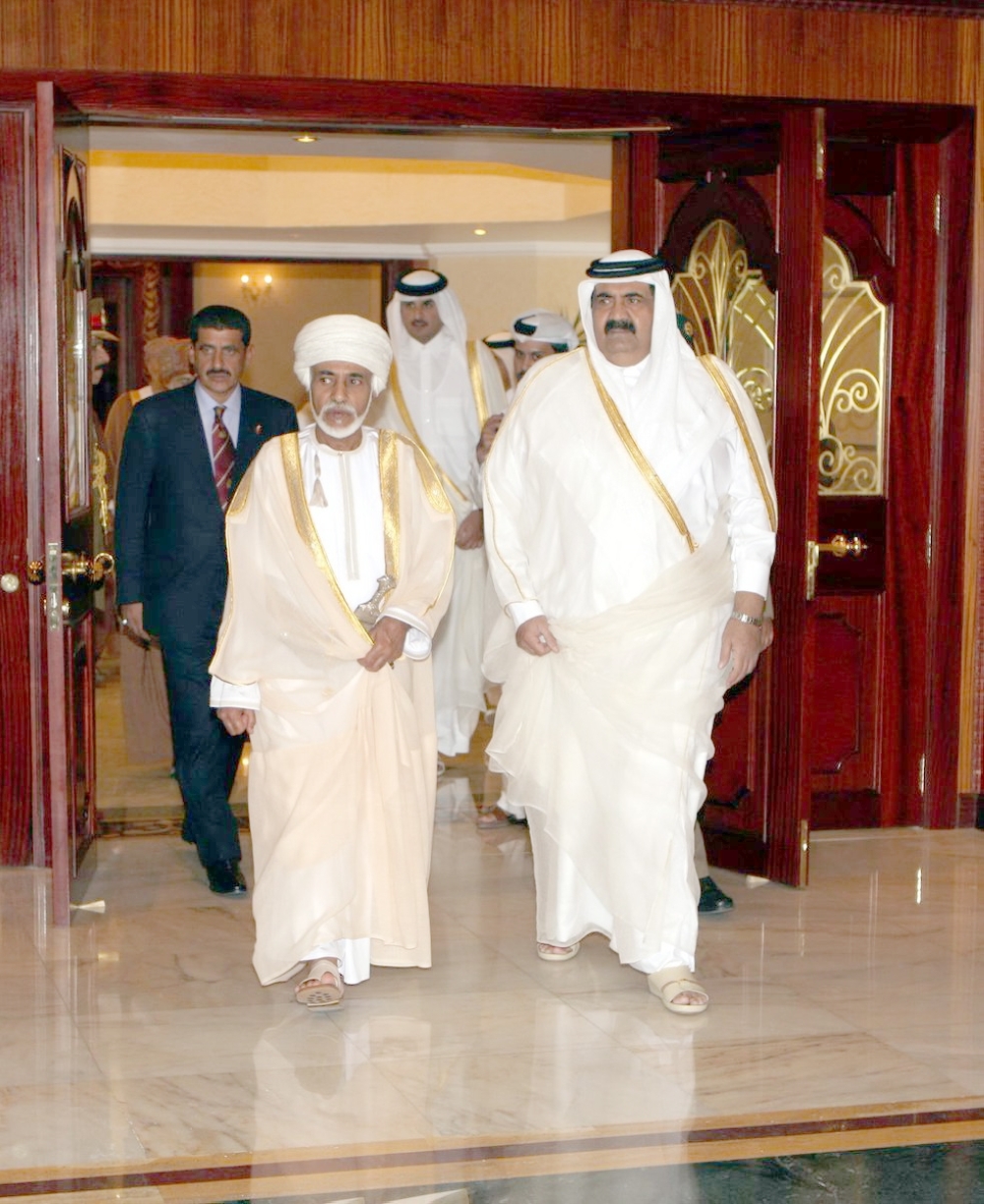
Born in Doha in January 1952, Shaikh Hamad received his early education in Qatar before joining the Royal Military Academy Sandhurst in Britain, graduating in 1971. After returning home, he joined the Qatari armed forces and rose through the ranks to become commander-in-chief with the rank of major general. In 1977, he was appointed Crown Prince and Minister of Defence, and in 1989 became head of the Supreme Planning Council, placing him at the centre of economic policymaking before assuming power.
He became Emir of Qatar on June 27, 1995, ushering in a new phase characterised by rapid decision-making and a clear ambition to move the country beyond the conservative pace that had long defined it. At 44, he was then considered the youngest ruler in the region. The late Emir was also known for his accessibility, with many Qataris recalling encounters with him in Doha’s traditional markets during his early years in power, speaking informally with people away from official protocol.
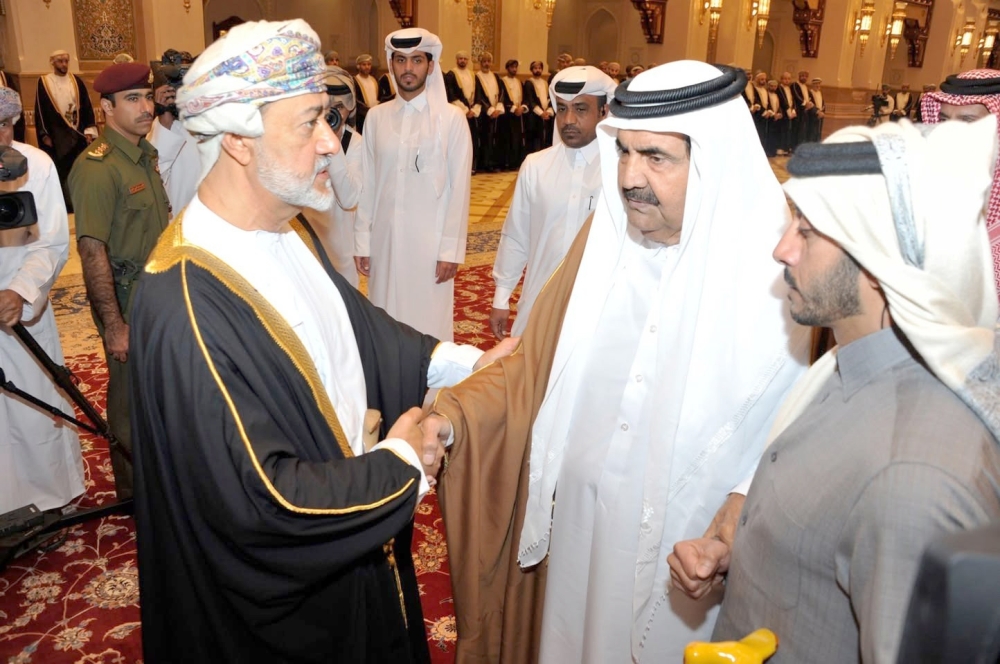
Shaikh Hamad built his development project on the financial returns generated by Qatar’s gas reserves. He pushed for the exploitation of the North Field and the construction of facilities capable of exporting Qatari gas to distant markets in liquefied form. Exports began in 1996, and by 2006 Qatar had become the world’s largest exporter of liquefied natural gas. Production capacity later reached 77 million tonnes annually by 2010.
Those revenues gave the state financial resources that extended well beyond domestic spending, enabling the creation of a global investment presence spanning real estate, banking, aviation, sports and infrastructure.
The economic transformation was accompanied by a major educational and social project led in large part with his wife, Shaikha Moza bint Nasser. In August 1995, Qatar Foundation for Education, Science and Community Development was established and later evolved into an umbrella for universities, research centres, schools and cultural and healthcare institutions. The initiative aimed to prepare Qatar for a future in which oil and gas would play a less dominant role, making education and scientific research part of the country’s long-term identity.
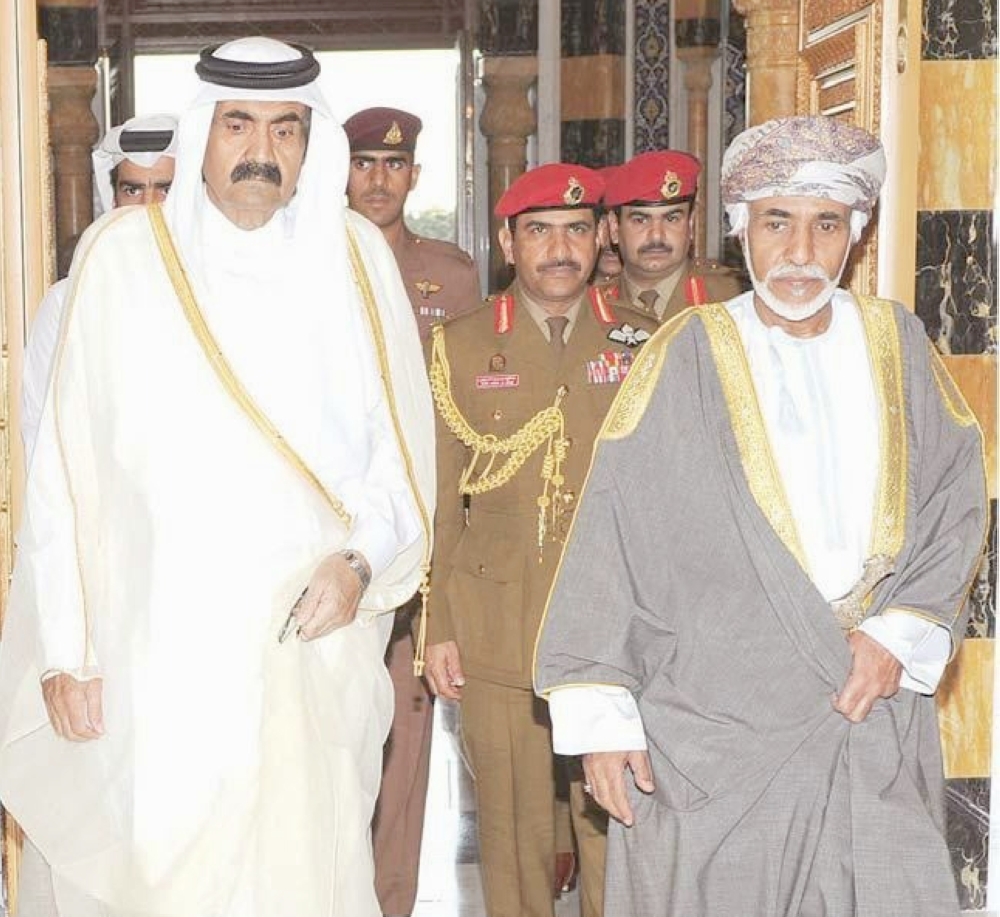
The decision that gave Qatar a daily presence in homes across the Arab world came in 1996 with the launch of Al Jazeera. The channel broke away from the rigid official model that had dominated Arab broadcasting, opening its platform to opposition voices and competing political perspectives. It attracted a wide audience while provoking criticism from Arab and Western governments alike. At various times, it faced accusations that its coverage reflected Doha’s foreign policy, even as the degree of openness it introduced to regional affairs exceeded the space available for political criticism inside Qatar itself.
Shaikh Hamad also introduced carefully measured political reforms. Press censorship was eased, the Ministry of Information was abolished, and in 1999 Qatar held its first elections for the Central Municipal Council, in which women voted and stood as candidates. A permanent constitution was later adopted, providing for a Shura Council with two-thirds of its members elected. Eight years after Shaikh Hamad’s abdication, Qatar held its first legislative elections in 2021.
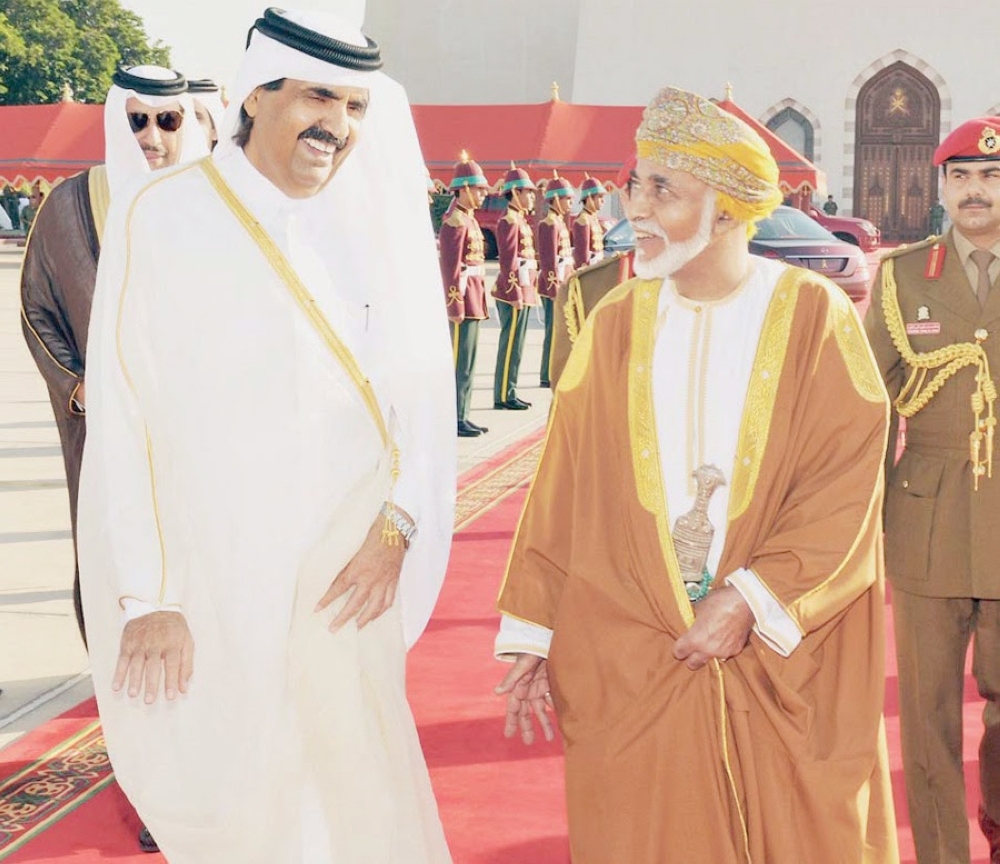
In foreign policy, the late Emir maintained a close alliance with the United States, hosting major American military facilities while keeping channels open with Iran, Hamas and other Islamic movements. Doha mediated in crises involving Lebanon, Darfur, Yemen and Palestinian factions.
That approach carried significant risks, particularly after the Arab Spring, when Qatar’s policies contributed to tensions with several Arab states. Doha nevertheless chose to defend its vision despite intense criticism at various stages.
Shaikh Hamad also expanded Qatar’s influence through aviation and sports. Qatar Airways grew into a major international carrier during his reign, while the state pursued an ambitious strategy of hosting sporting events, acquiring clubs and sponsoring leading teams. In December 2010, he stood in Zurich holding the World Cup trophy after Qatar won the right to host the 2022 tournament, a moment that symbolised his ambition to place the country firmly on the global map. When he attended the opening ceremony 12 years later, Qatari spectators greeted him with prolonged applause, reflecting the country’s sense of achievement after years of scrutiny and challenges.
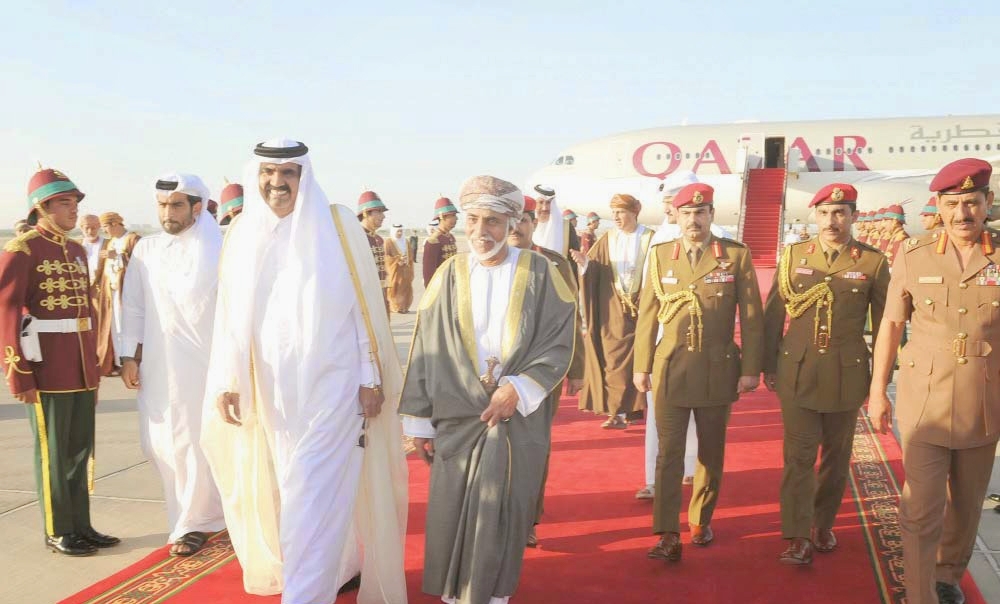
On June 25, 2013, Shaikh Hamad surprised the region by announcing his abdication in favour of his son, Shaikh Tamim bin Hamad al Thani, then aged 33. In his address, he said a new generation should assume responsibility with its own ideas and energy. The transfer of power was calm and orderly, a rare occurrence among hereditary Arab political systems.
After stepping down, Shaikh Hamad remained present at national occasions without challenging his son’s authority. At the time of his death, the outlines of the Qatar he had built remained visible: an economy anchored in gas yet extended through global investments, a capital transformed into a centre for aviation, media and sport, and a foreign policy seeking influence through mediation and the maintenance of open channels with multiple actors.
He left behind a country wealthier and more influential than the one he inherited, while also leaving a legacy of political and regional choices that generated considerable debate. In either case, modern Qatari history is difficult to write without devoting a substantial chapter to the years of his rule.
Oman Observer is now on the WhatsApp channel. Click here