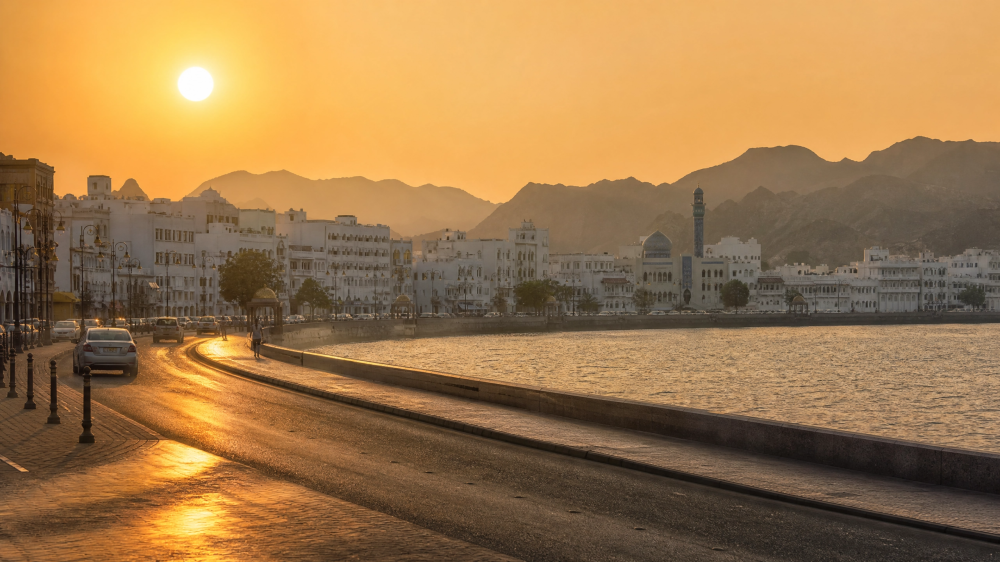





MUSCAT: Oman is heading towards what forecasters expect to be one of its warmer summers in recent years, with above-average temperatures likely to continue across much of the Sultanate of Oman until September.
The latest seasonal outlook from the Civil Aviation Authority (CAA) indicates that temperatures are expected to remain higher than the long-term average, while rainfall is likely to stay below normal, extending the period of intense heat beyond the traditional summer peak.
Compared with the previous year, summer 2026 is forecast to be warmer overall. While Oman experienced episodes of extreme heat in 2025, this year’s outlook points towards a more sustained period of above-average temperatures rather than short-lived heatwaves. The prolonged conditions are expected to increase heat stress, particularly for outdoor workers, residents in inland areas and vulnerable communities.
The forecast coincides with broader global climate projections, with the World Meteorological Organization (WMO) noting that a strengthening El Niño phenomenon could influence weather patterns during the July-September period. The climate event is associated with warmer conditions across several regions and can affect rainfall patterns in parts of the world.
In Oman, El Niño is not the only factor determining summer weather, but it can interact with regional climate systems to influence seasonal temperature and rainfall patterns.
Oman’s summer follows a familiar seasonal pattern, although conditions vary greatly between regions. Temperatures begin rising sharply in late May and June, particularly across inland governorates such as Al Dakhiliyah, Al Dhahirah and Al Wusta, where daytime temperatures frequently exceed 45°C.
July and August remain the hottest months, with inland areas occasionally approaching 48°C or higher. Coastal regions experience intense humidity that can make temperatures feel significantly higher. Warm nights provide limited relief, adding to heat stress during the peak summer months.
Meanwhile, Dhofar experiences a contrasting climate during the annual khareef season. Driven by the southwest monsoon, khareef typically begins in late June and continues until mid-September, bringing clouds, mist and light rainfall that transform the mountains into lush green landscapes. Temperatures in the region generally remain between 20°C and 27°C, offering a seasonal escape from the heat experienced elsewhere in Oman.
The khareef season progresses gradually, with increasing cloud cover and occasional drizzle in late June, followed by more persistent mist, rainfall and fog during July and August. Rainfall begins to decrease in September before the season concludes later in the month.
For the rest of Oman, noticeable relief from summer heat usually arrives gradually from the second half of September. More comfortable conditions are typically felt in October, as temperatures decline, humidity eases and outdoor activities become more pleasant. The country’s most favourable weather generally extends from November through March.
With forecasts indicating a prolonged period of heat, authorities continue to advise residents to avoid extended outdoor exposure during peak afternoon hours, maintain adequate hydration and follow official weather updates. While Oman faces several more weeks of intense summer conditions, the gradual arrival of autumn is expected to bring cooler temperatures, with Dhofar continuing to provide Oman’s earliest seasonal relief through its unique khareef climate.
Oman Observer is now on the WhatsApp channel. Click here