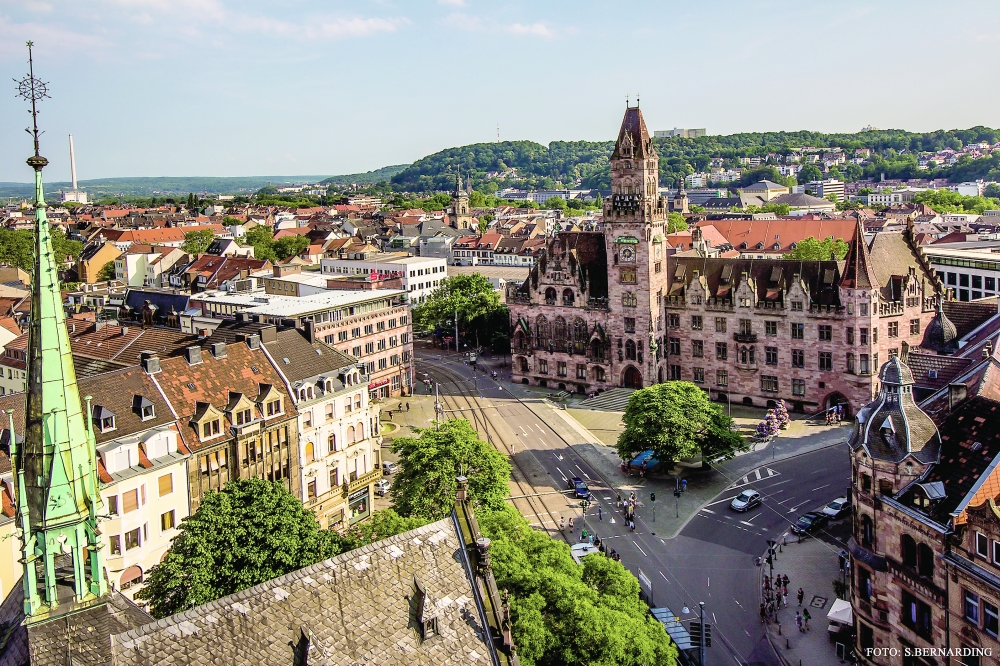





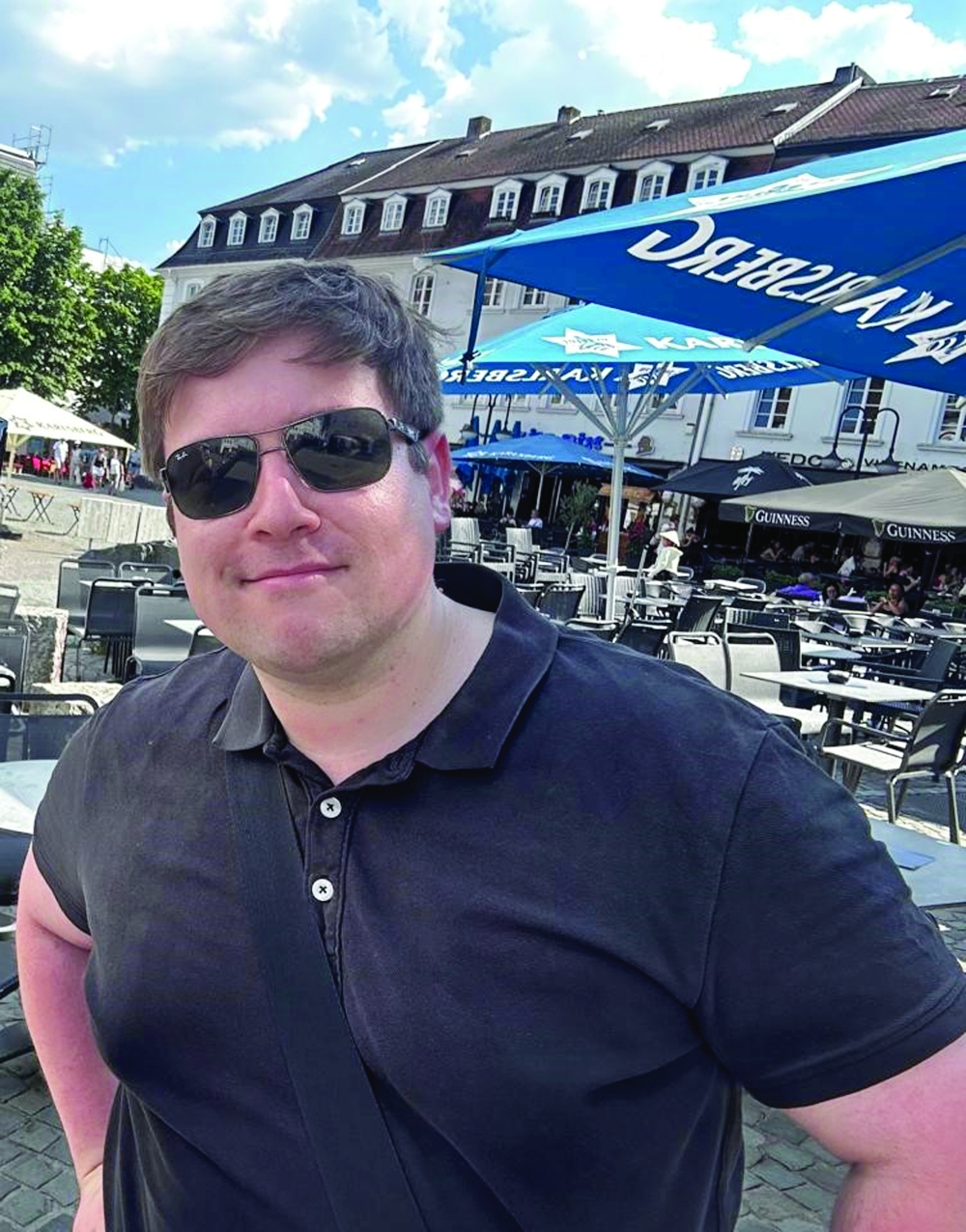
The first thing Felix Weyer tells us is not where to look, but how to see Saarbrücken.
“People often come here to visit places outside the city”, he says with a smile. “But once they discover Saarbrücken, they usually wish they had stayed longer”.
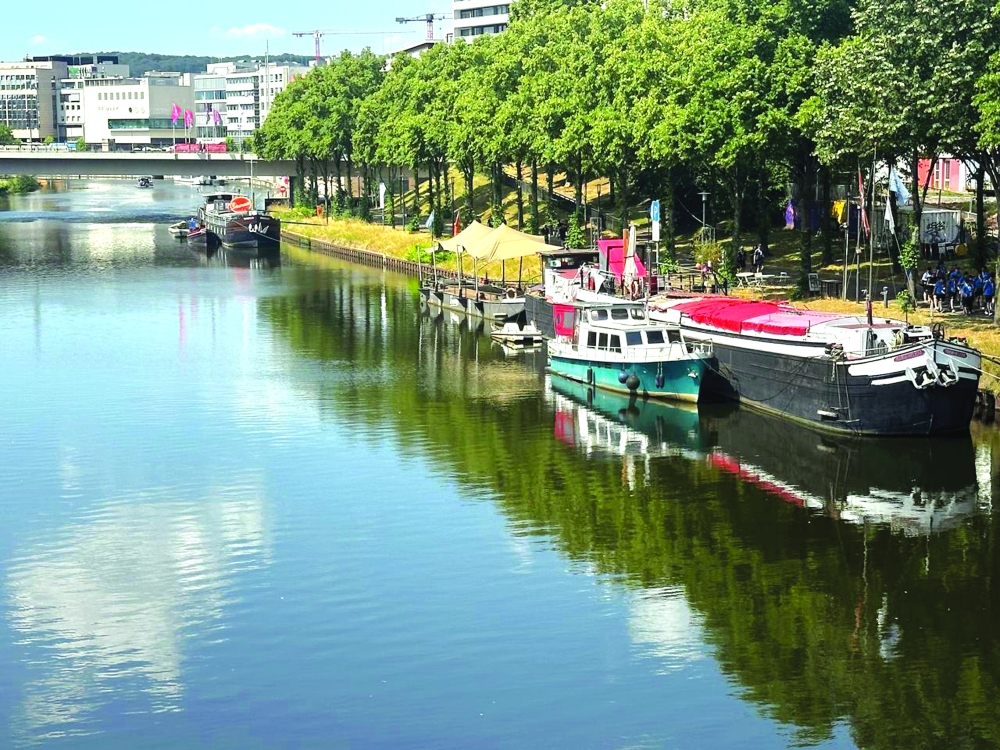
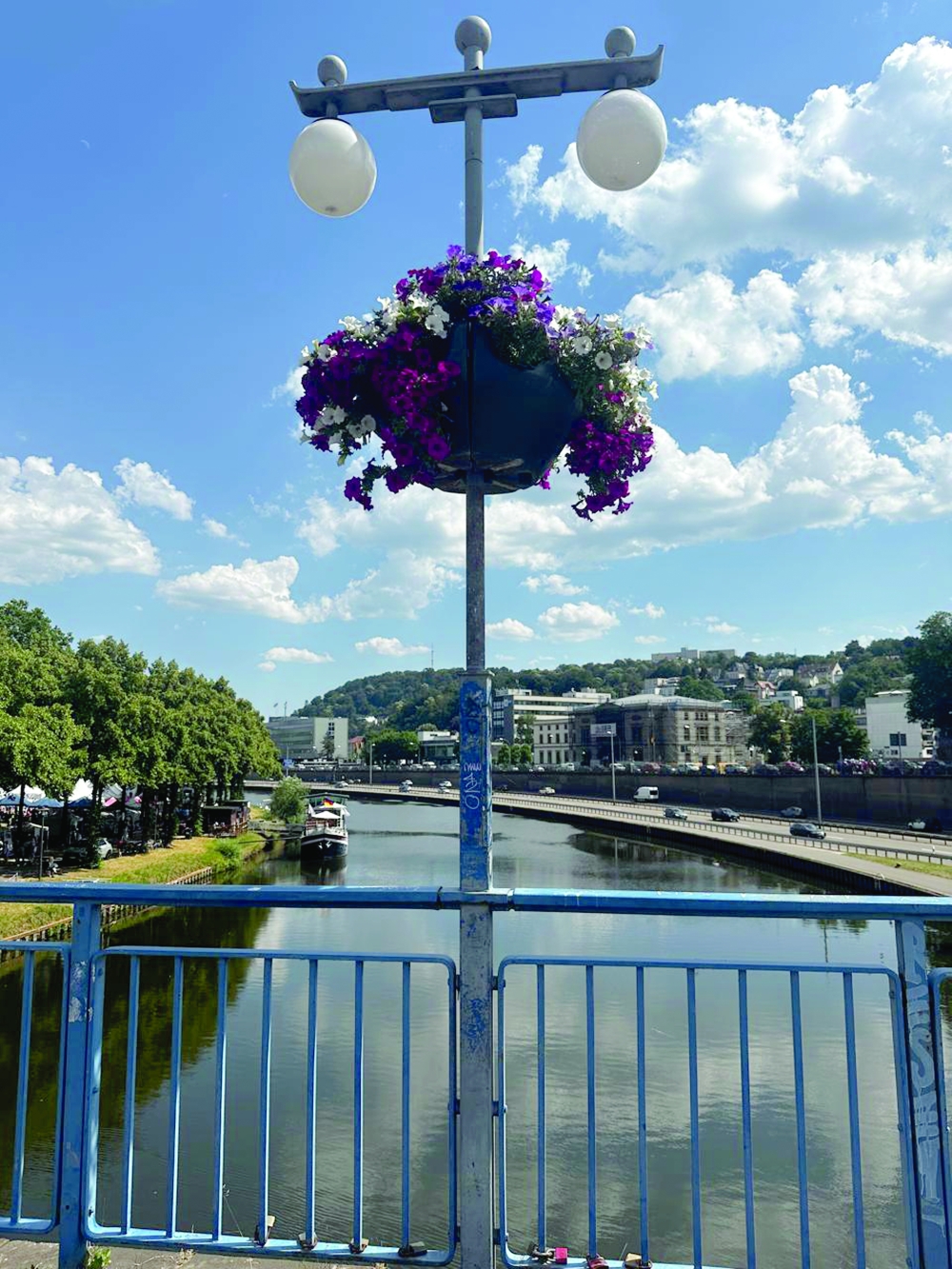
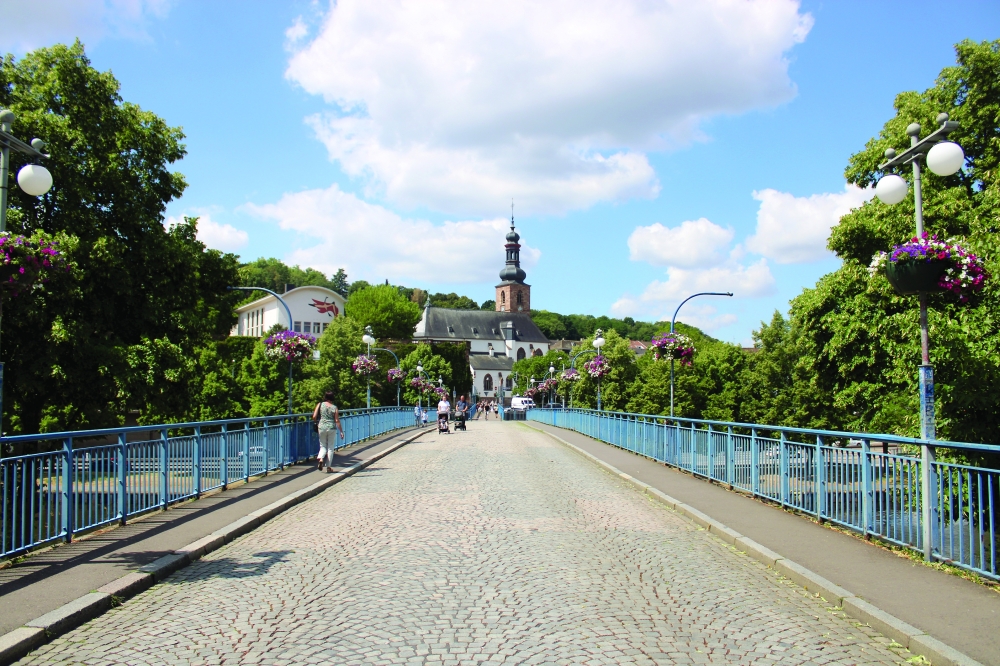
I don’t fully believe him until I’m standing on the Alte Brücke, the 6th-century bridge carrying 21st-century love stories, watching pleasure boats slide beneath stone arches while families trail along the Saar’s edge in no particular hurry. Nothing here rushes. The light is soft and the air carries something I can only describe as Mediterranean, though Felix, who by day teaches English and History at one of Saarland’s largest secondary schools, has a better word for it.
“We call it Saarvoir Vivre”, he laughs, folding the French art of living well into a German syllable. The phrase perfectly captures the city’s easy-going character.
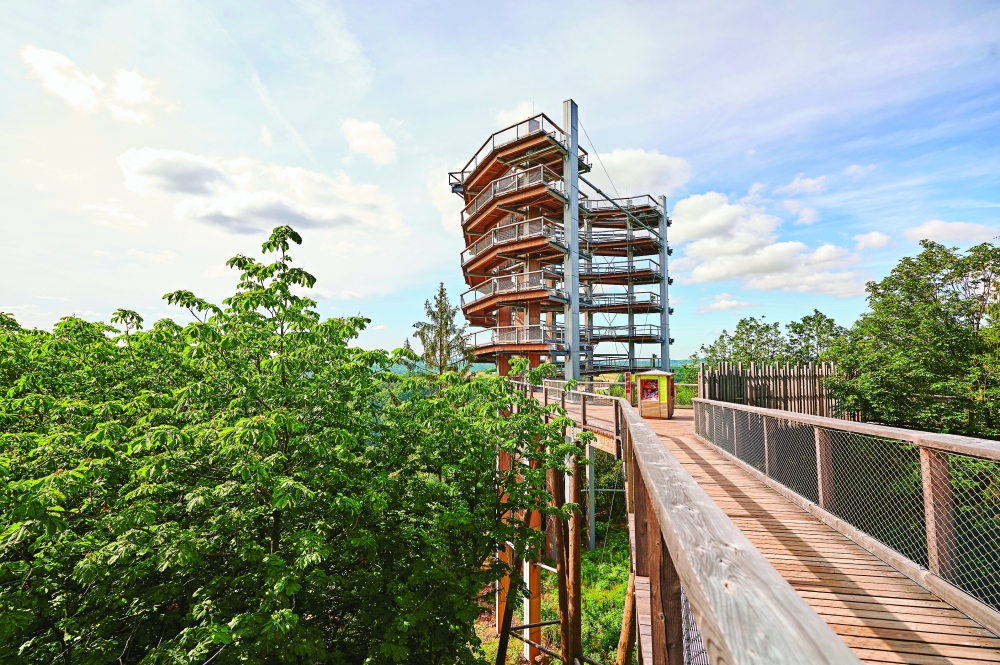
We arrive at noon, after two days chasing Saarland’s headline attractions — the vertigo of the Treetop Walk Saarschleife, the quiet ruins of Villa Borg, the vast rust-red cathedral of Völklingen Ironworks. But it’s only once we reach the state’s unassuming capital that I stop sightseeing and start simply being somewhere. Felix has been guiding visitors through these streets since he was 16 and it shows in the easy, unhurried way he lets the city speak for itself.
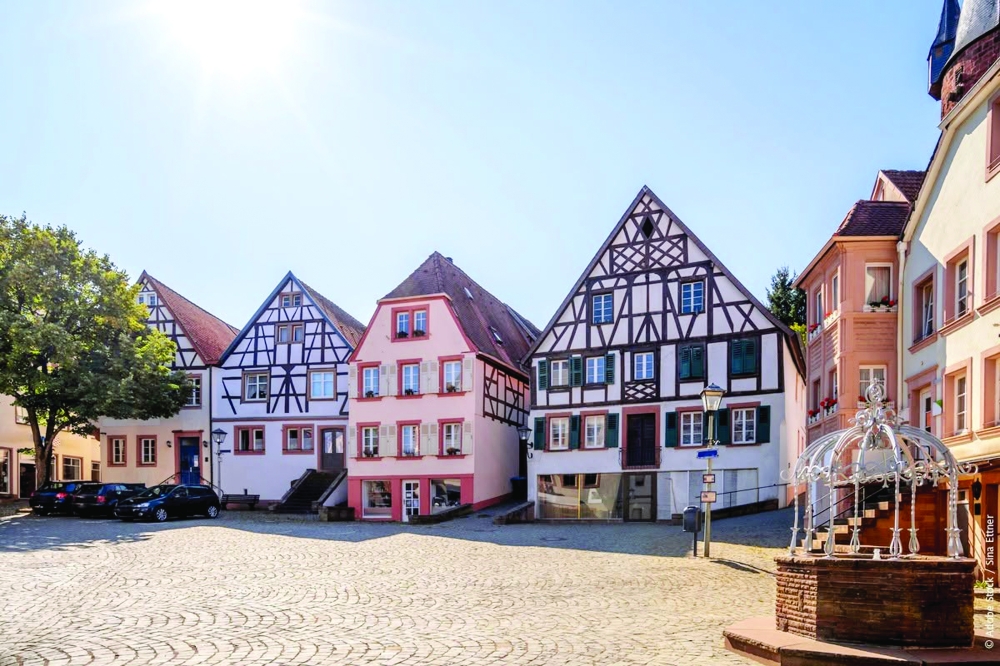
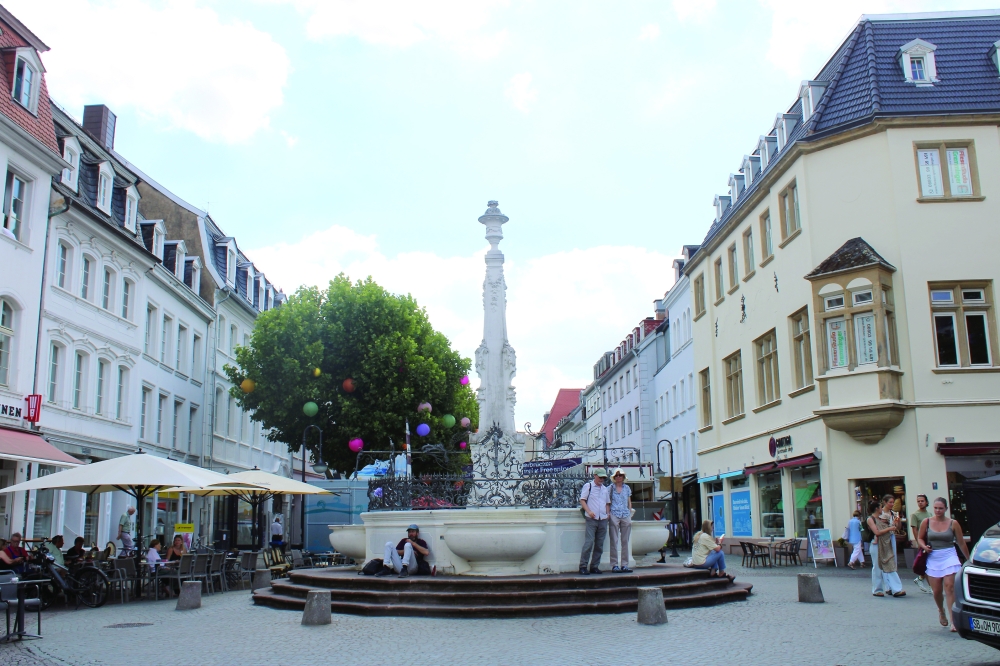
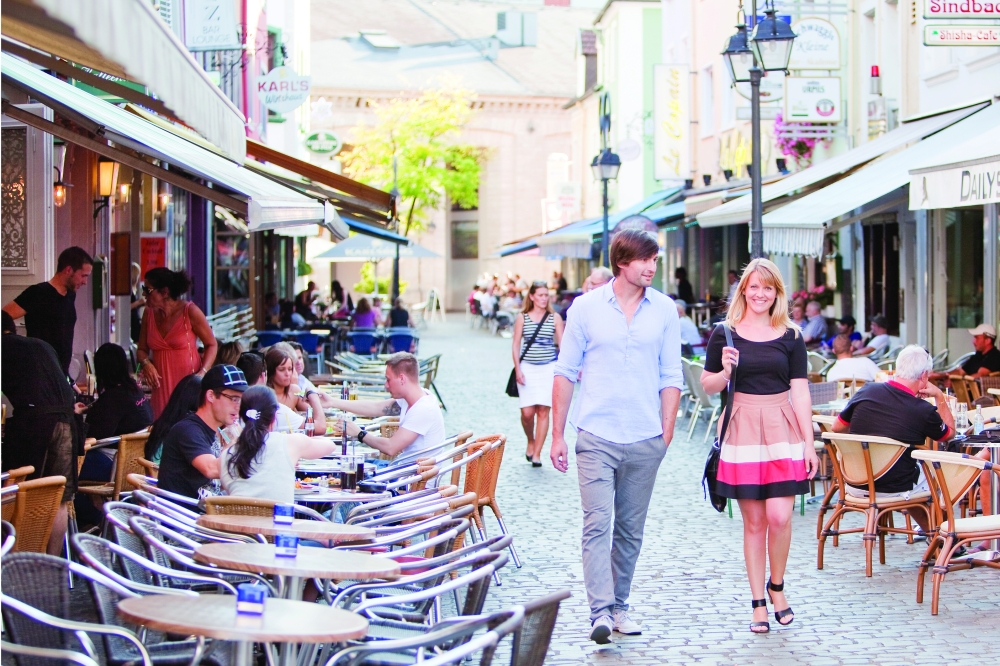
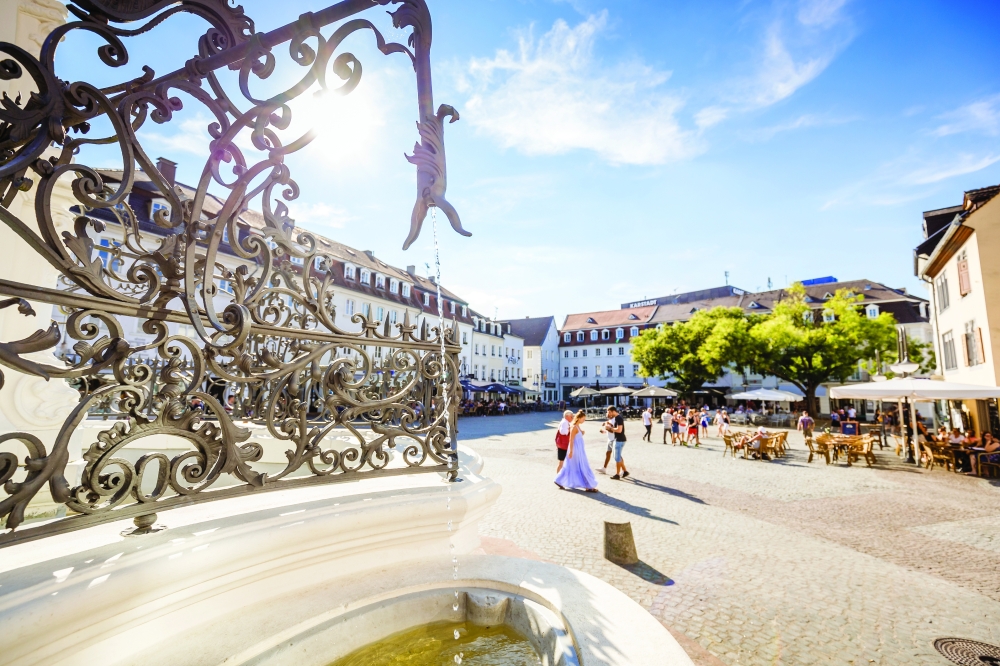
At St Johanner Markt, the feeling sharpens. Cafés spill their chairs onto cobblestones, a busker’s guitar drifts over the chatter and I find myself doing nothing more purposeful than holding a coffee and watching the square slowly fill.
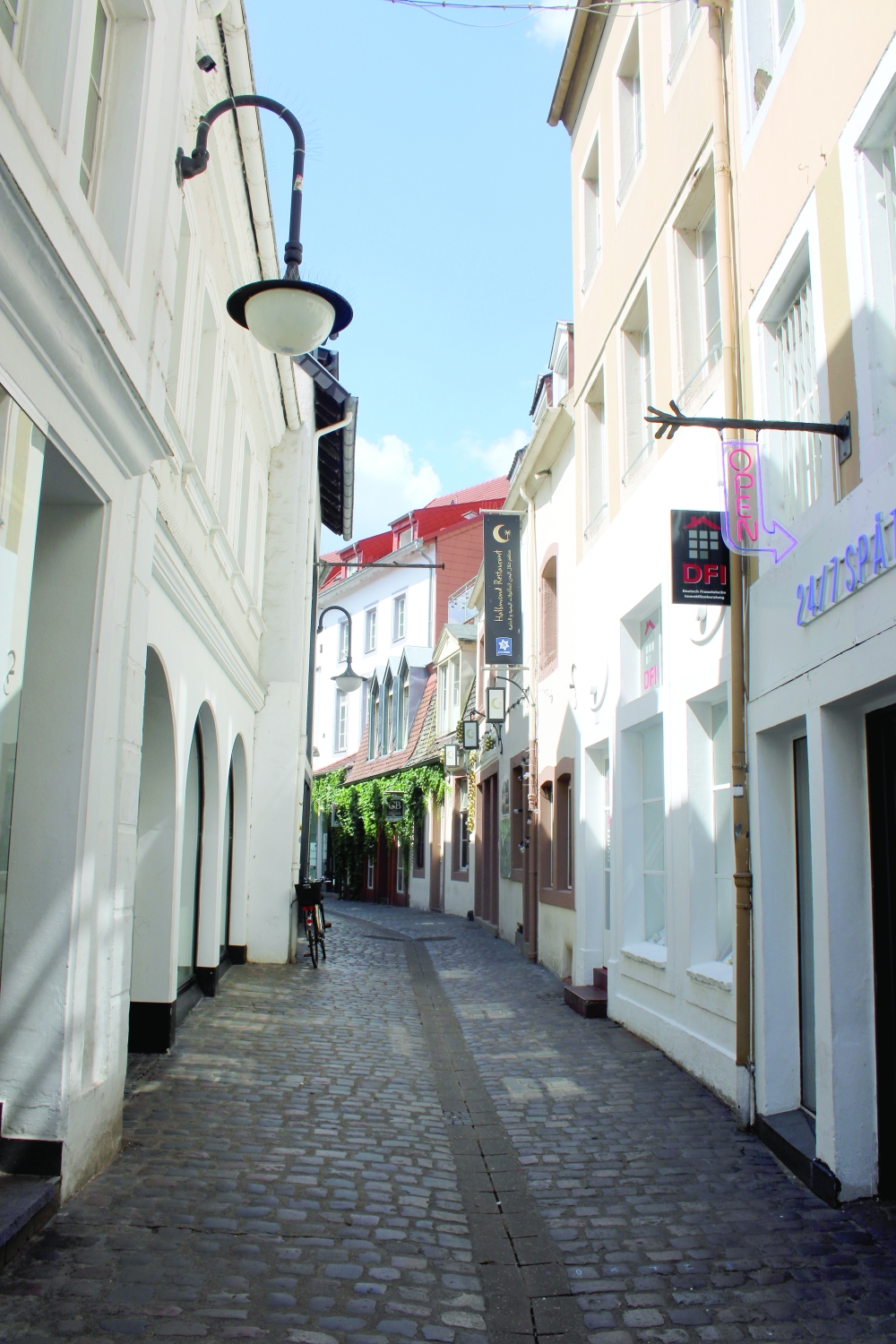
“This is our living room”, Felix tells me. “Unless the weather is exceptionally bad, you’ll find hundreds, if not thousands, of us here every evening”.
It’s easy to believe. This afternoon the square is louder still — the closing celebrations of the Special Olympics National Games have spilled into it, athletes in red shirts moving through the crowd, music and applause rising and falling in waves. For a moment I’m not observing the city so much as standing inside it, swept along by a joy that clearly belongs to everyone, not just the visitors passing through.
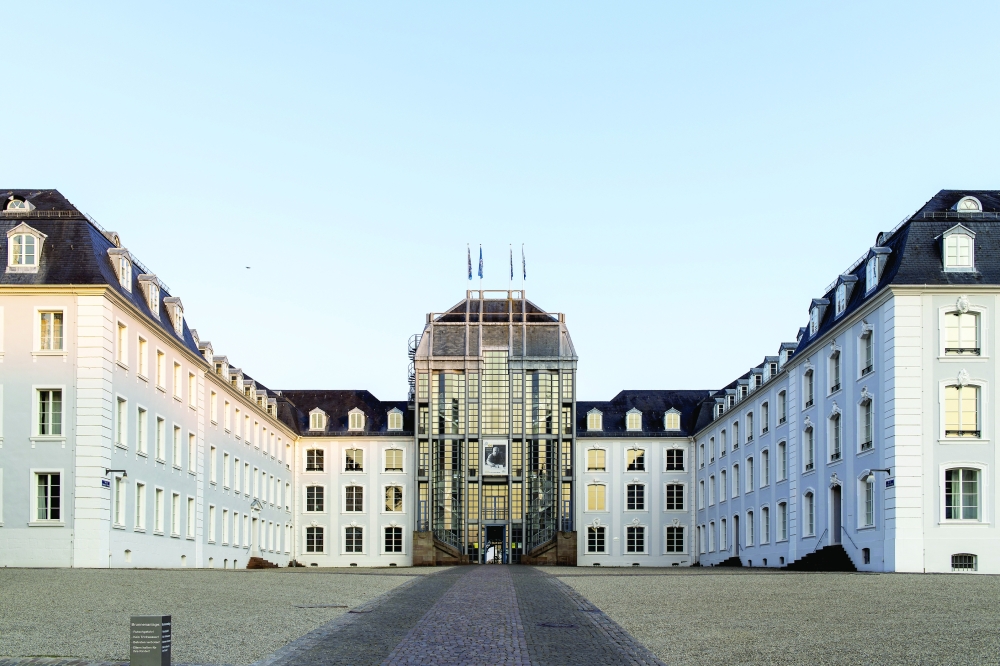
At Saarbrücken Castle, the mood shifts, though only briefly. Felix traces the building’s patchwork of eras — war, rebuilding, war again — but he lingers less on the damage than on what came after.
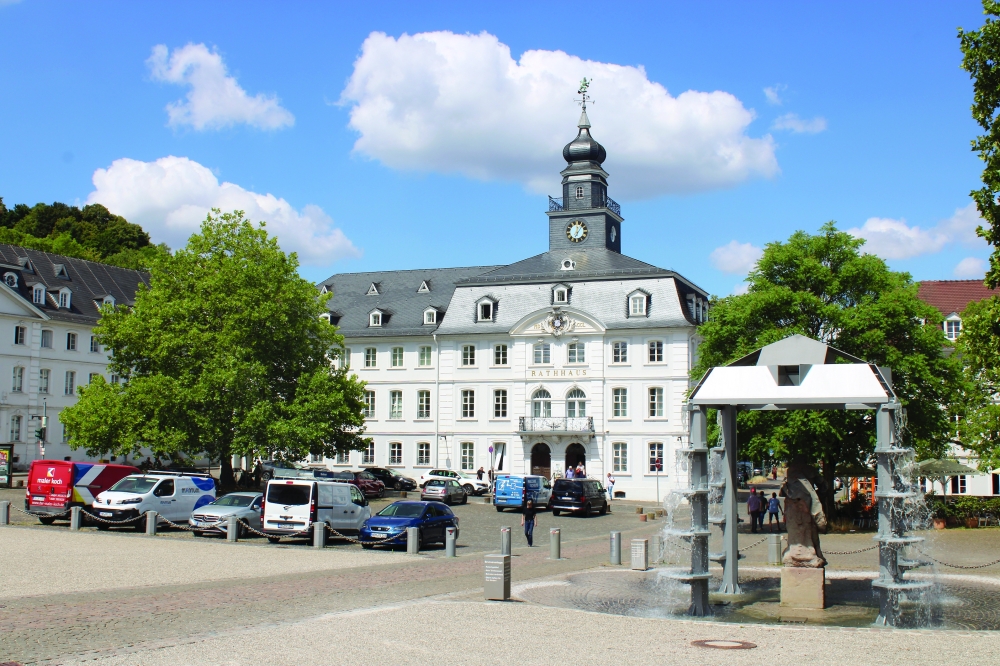
“Everyone here once worked in coal or steel”, he says. “When those industries disappeared, we had to ask ourselves: what are we if we’re no longer miners and steelworkers?”
He lets the old machinery, now silent, make its own case — and then gestures towards the university quarter nearby, where those same industrial bones now house start-ups and research labs shaping the region’s next chapter.
“We’re no longer just miners and steelworkers”, he says. “Today, the Saarland’s identity is European”.
I hear that sentence again a few hours later, as the evening thickens over St Johanner Markt. The café terraces are fuller now and German drifts into French and back again without anyone seeming to notice the switch. Golden light catches the façades. Nobody appears to be going anywhere and for once, neither am I.
By the time I return to the peaceful Victor’s Residenz-Hotel Schloss Berg after dinner at the historic Brauhaus zum Stiefel in Saarbrücken’s city centre, I realise Felix was right from the start. Saarbrücken is not defined by a single monument, but by its bridges, squares, stories and everyday moments — a city best experienced, not just photographed.
Germany has many beautiful cities. But few quietly redefine themselves with such confidence. Saarbrücken may sit on the country’s western edge, yet in spirit it feels very much at the centre of Europe.
Pictures by GNTB, Felix Weyer, Jens Wegener, Manuela Meyer and Johannes Dreuw
The visit was part of the German National Tourist Board’s pre-convention tours organised alongside the Incoming and Brand Summit 2026, held under the theme ‘Innovative. Authentic. Liveable’.
Oman Observer is now on the WhatsApp channel. Click here