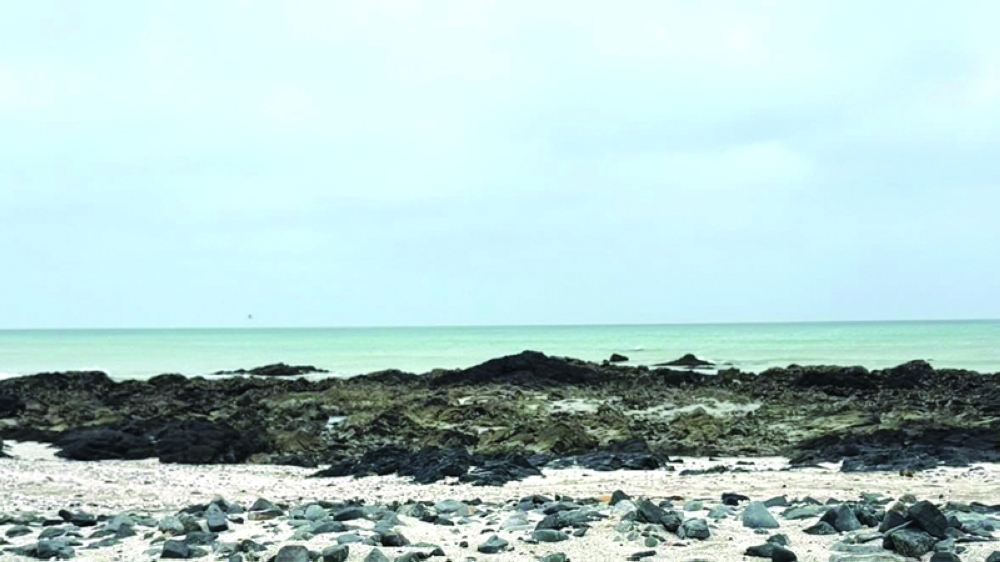





It's July, the time when Masirah's beaches breathe to give birth to their hidden treasure that has slept for a while under the sand. Daybreak begins to unfold with a gentle wind that has travelled all the way from the Arabian Sea, and the faint scuffle of tiny flippers dragging across the sand.
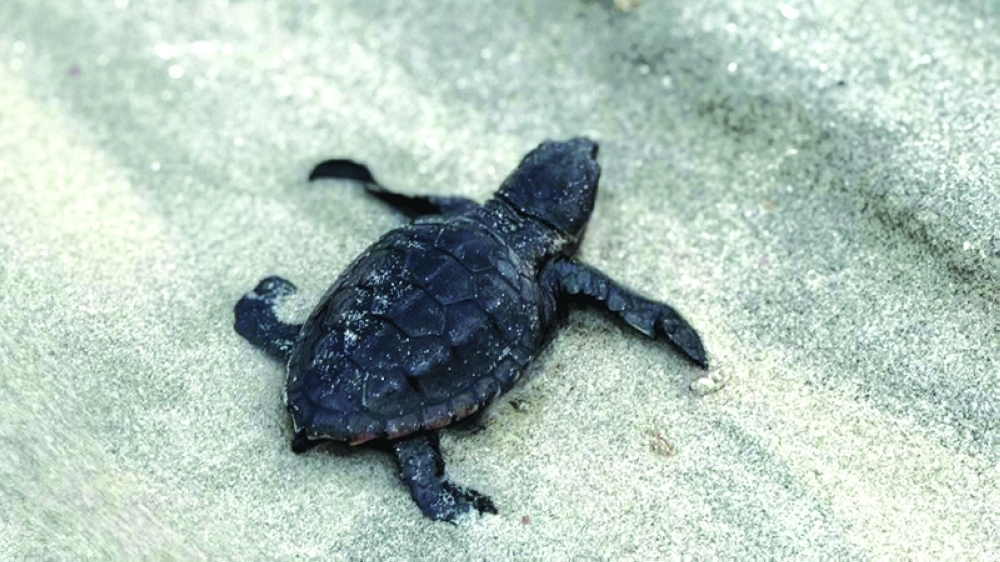
On the beaches of Oman's largest island, every dawn begins with thousands of loggerhead turtle hatchlings making their first and most dangerous journey, a short, frantic scramble from their nest to the sea, offering a distinguished experience that people travel to witness.
An Island Built for This Moment
Masirah, a 95-kilometer-long island of desert and hills off Oman's east coast, has always been known for being a quiet island separated from the mainland. It is reachable only by car ferry from Shannah or by airplane. For decades, it was more known for its fishermen and windsurfers than for tourists.
But in recent years, the island has become one of the world's most important destinations for sea turtle conservation, which has, in turn, created a spectacular sight for travelers wishing to witness sea turtles.
What sets Masirah apart is its biodiversity, as its waters host all five of Oman's turtle species: green, loggerhead, hawksbill, olive ridley, and leatherback, nesting on its shores. But what has made Masirah more famous is the loggerhead, as it hosts one of the largest loggerhead nesting populations on Earth; around 15,000 to 30,000 turtles lay eggs on its beaches each year.
The Rhythm of the Season
Turtle season on Masirah unfolds in two acts. It starts with nesting, which typically runs from roughly April through August or September. After dark, female loggerheads haul themselves ashore, dig deep nesting chambers with their hind flippers, and lay clutches of soft-shelled eggs. Then, by dawn, they disappear back into the surf.
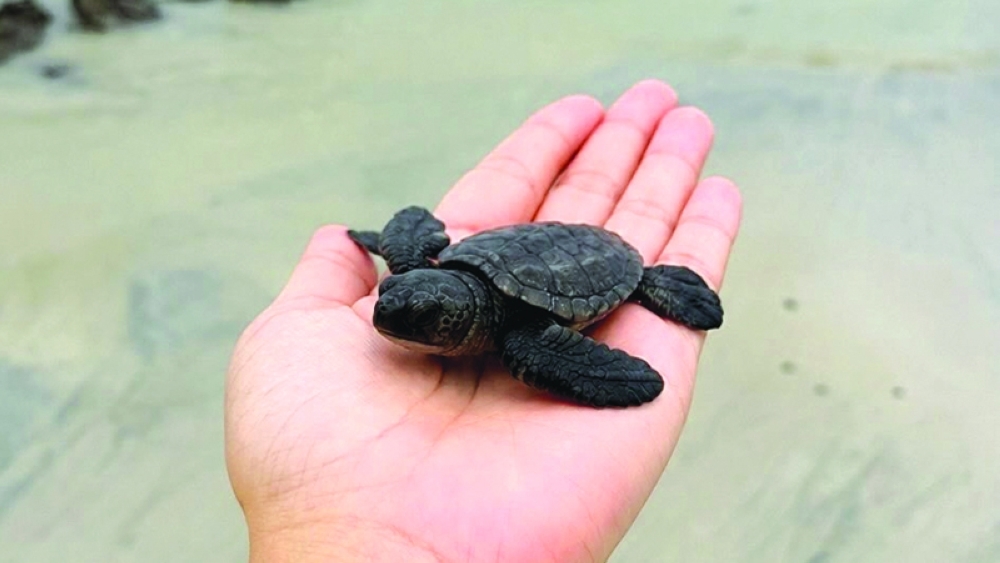
Then, about 55 to 60 days later, comes the second act: hatching, which generally extends from July into October, placing the island in the thick of it right now.
This overlap between the two acts, which occurs in July, gives visitors a genuine experience to witness both ends of the cycle in a single trip: the ritual of a mother turtle laying her eggs and the far more fragile spectacle of hatchlings breaking the surface and racing toward the waterline.
What Tourism Looks Like Here
Masirah's turtle tourism still feels unscripted, as most travelers head to the island's eastern beaches after 11 p.m., walking the shoreline to look for drag marks in the sand that signal a nest, using red lights, which are typically the only lights allowed. Visitors are always warned to avoid white light and flash photography since turtles are sensitive to them and may abandon nesting if disturbed.
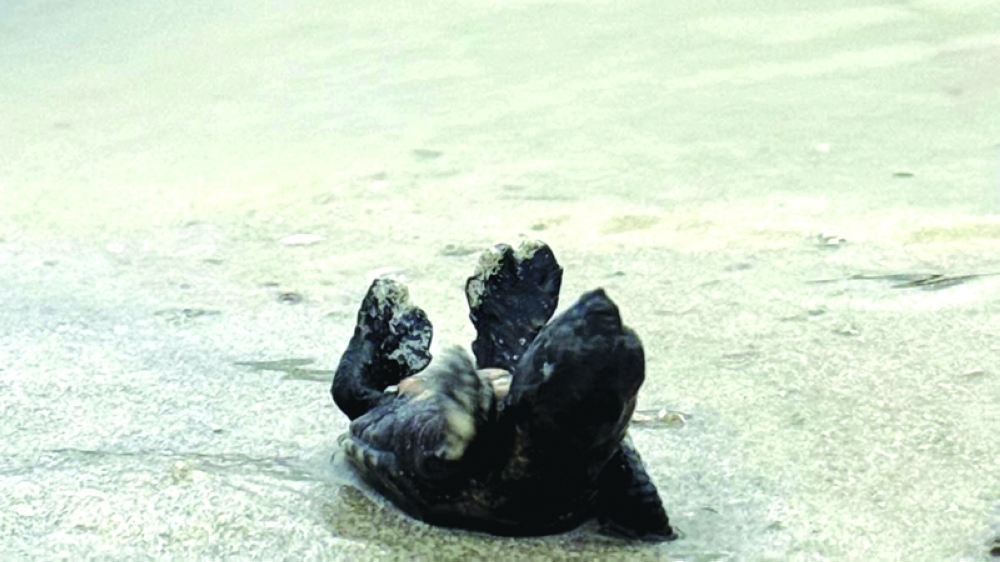
In fact, it is more of a quiet and contemplative journey, as visitors are guided to stay quiet, keep a respectful distance, avoid bright lights, remain silent, and never interfere with the turtles or nests. Also, such a trip requires calmness and patience, as turtles don't show up on a schedule. They show up depending on different factors, such as the moon phase, since turtles avoid bright moonlight, and the tide, as they prefer high tide so they don't have to crawl as far.
Why It's Worth the Trip Now
Masirah still offers a unique escape for those who are looking for calm and quiet, away from crowds and noise. Masirah lies away from the mainland as if it is saying that it hides a beauty that deserves to be travelled for and a peacefulness that needs to be carefully preserved.
For travelers willing to take the ferry, camp under the stars, and keep their torches red, July is one of the best windows of the year to see it for themselves.
Oman Observer is now on the WhatsApp channel. Click here