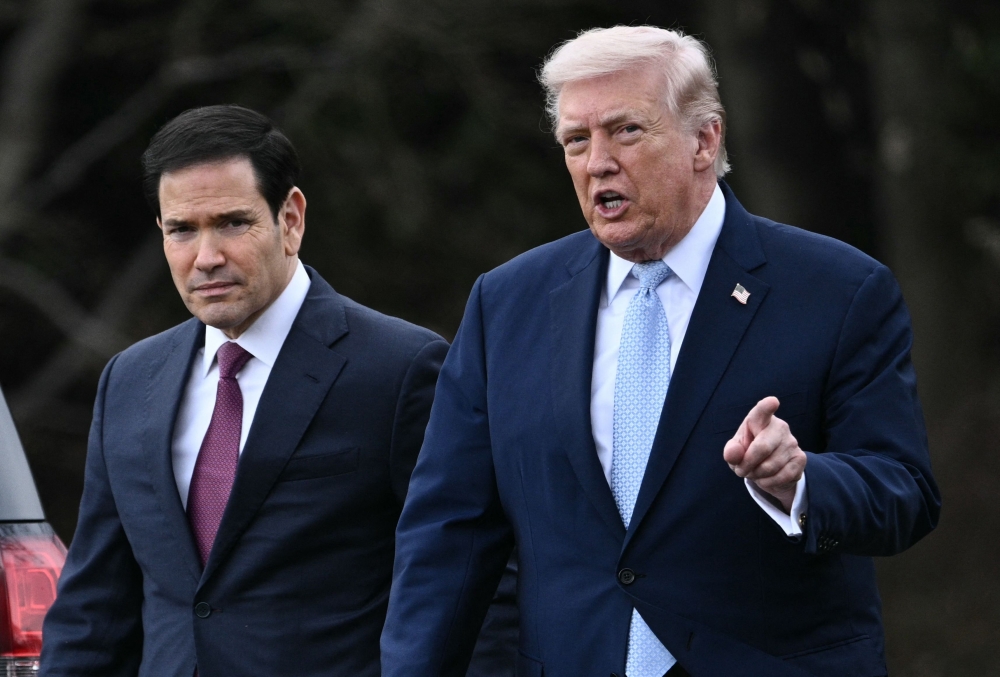





US President Trump threatened to attack Iran “hard tonight”, hours after saying he thinks the ceasefire is over as oil prices soared and stock markets slid on Wednesday following renewed strikes in the Middle East.
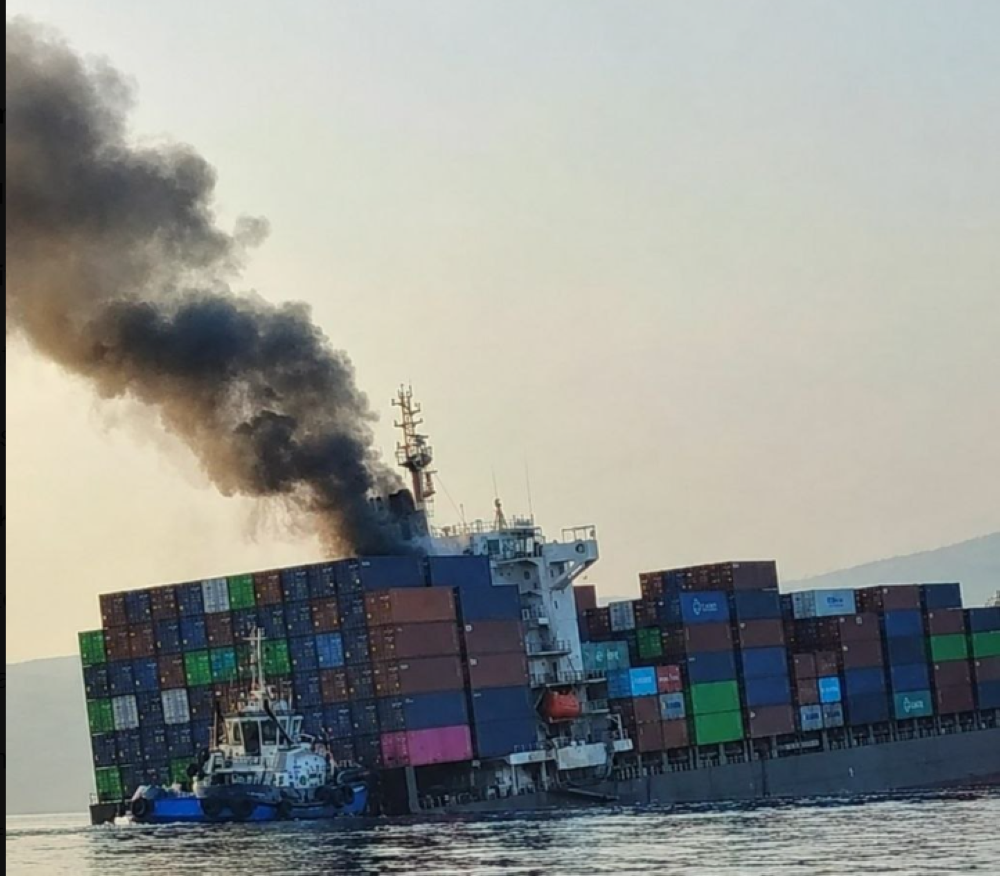
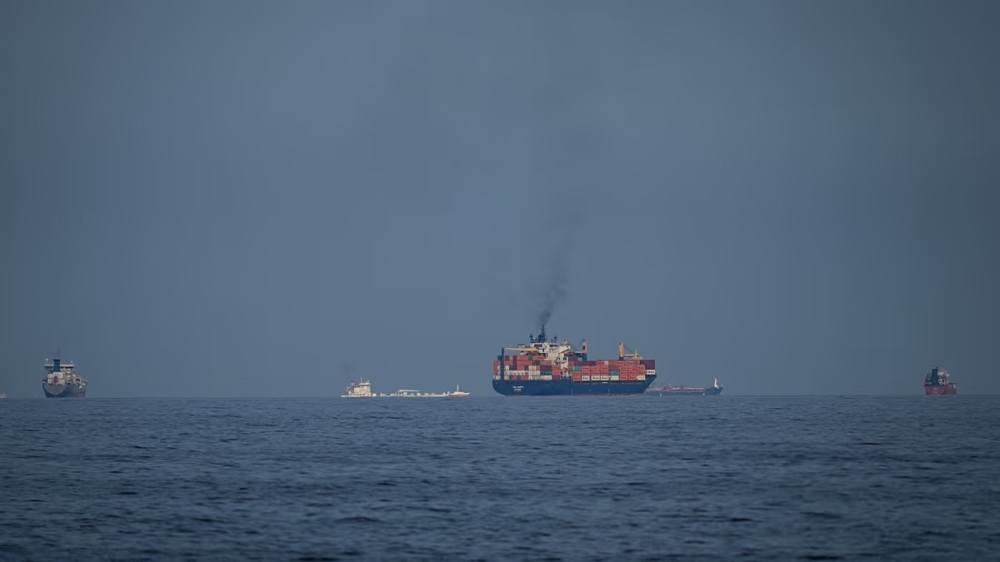
The latest bout of fighting was sparked by Iranian attacks on ships in the vital Strait of Hormuz shipping route.
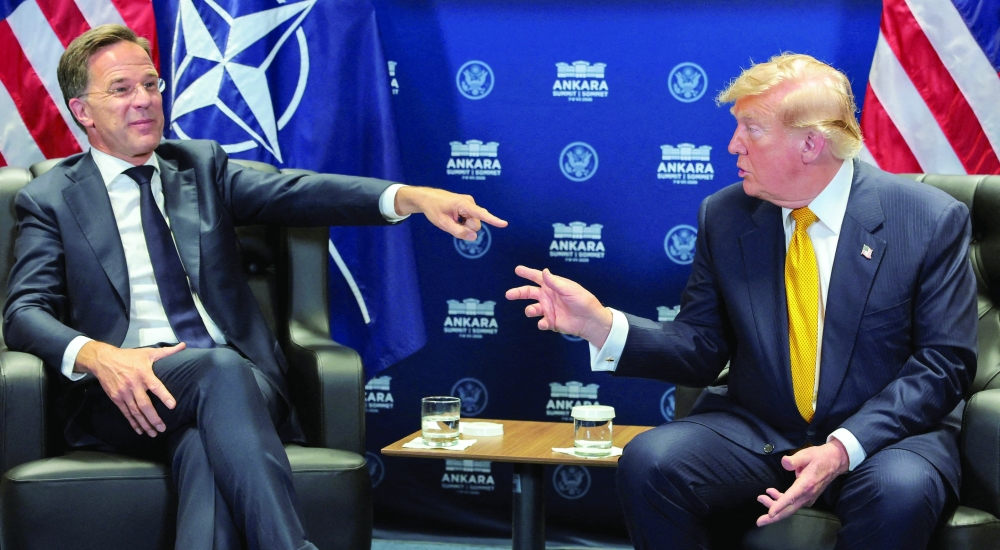
Trump said at a Nato summit in Türkiye the ceasefire was “over”, although he left the door open to more talks.
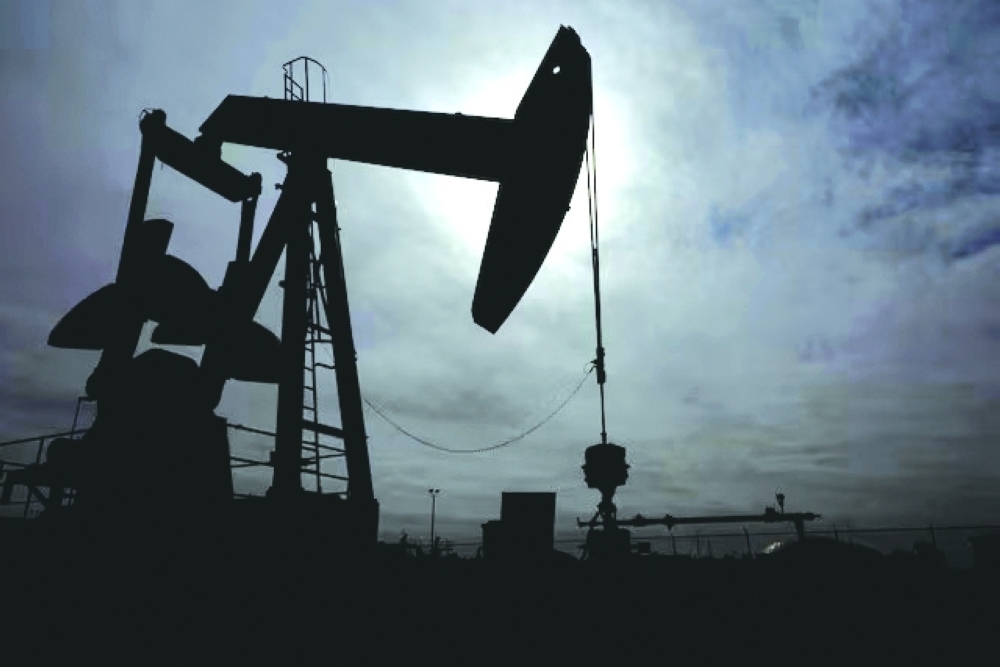
The markets responded, with oil shooting back up again, having in recent days come back down towards pre-war levels.
International benchmark Brent North Sea crude jumped more than five per cent to around $78 a barrel while the main US contract, West Texas Intermediate, also soared five per cent, although both slipped back slightly mid-afternoon.
Oman crude oil for delivery in September 2026 settled at $71.36 per barrel on Wednesday. Today’s price recorded a rise of $5.01 from the price of Tuesday which stood at $66.35. “Geopolitical risks are rising” for markets, noted Kathleen Brooks, research director at trading group XTB.
Fawad Razaqzada, market analyst with Forex.com, was even blunter.
“After a long and eventful first half of the year dominated by the US-Israel war on Iran and Trump’s constant flip-flopping, the last thing investors, and frankly anyone else, needed with the summer holidays approaching was a return of the same geopolitical environment,” he said.
“Unfortunately, it looks like we could be heading back to that.”
The United States launched extensive strikes on Iran this week following attacks on ships in the strait, triggering a wave of reprisals against American bases in Kuwait and Bahrain. Washington also revoked a temporary sanctions waiver for Iranian oil.
Both the US and Iran said they had hit dozens of targets, placing fresh strain on their interim deal to end the Middle East war. Iranian state media reported a wave of explosions around the strait, including six on the island of Qeshm, seven in the city of Sirik and more in the major port city of Bandar Abbas.
It later reported a series of blasts in the coastal city of Bushehr, which hosts the country’s only civilian nuclear power plant and lies near Kharg Island, the main oil terminal through which 90 per cent of Iran’s crude exports transit.
State media said a member of the military’s Revolutionary Guards (IRGC) had been killed, while the foreign ministry said monitoring and observation sites had been hit on the southern coast.
US Central Command (CENTCOM) said its forces had struck over 80 targets, including Iranian air-defence systems, coastal radar sites and 60 IRGC small boats. The strikes aimed “to degrade Iran’s ability to continue attacking international commerce flowing through the international trade corridor”, it said. Mark Rutte, Secretary-General of Nato, said at the summit in Ankara that the American strikes were “absolutely necessary”. Kuwait said it intercepted two ballistic missiles and 13 drones, while the Iranian army said it had also attacked US forces at Shaikh Isa air base in Bahrain.
Nawal Saad, a Bahraini civil servant, lamented that “the spectre of war is looming once more”, saying “I do not want to go through that experience of fear and anxiety again”. Hamad Althunayyan, an assistant professor at Kuwait University, said Tehran views Bahrain and Kuwait “as the most accessible and lower-cost pressure points in the Gulf”.
“It allows it to project power, impose costs, and test US and GCC resolve,” he said.
Maritime traffic had tentatively resumed after Washington and Tehran signed the deal last month, but Iran has insisted there will be no return to free passage.
Almost 6,000 seafarers “remain stranded” in the area, International Maritime Organisation chief Arsenio Dominguez said on Wednesday. — AFP
Oman Observer is now on the WhatsApp channel. Click here