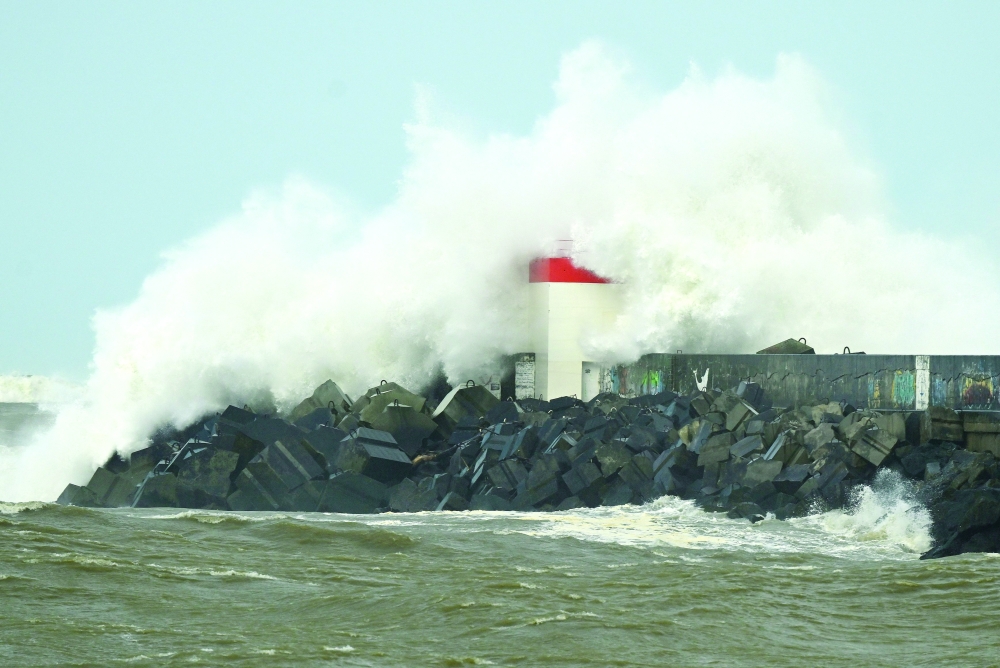
Climate change, urban pressure, and a lack of disaster preparedness are increasingly transforming natural hazards, resulting in significant loss of life and economic damage. The situation is already dire.
Aside from the catastrophic impact on the environment — such as the depletion of natural resources, frequent and intense droughts, and extreme weather events — failure to address these threats will exacerbate health and social inequalities and push millions of people into extreme poverty.
Most nations, along with their developmental achievements, have long since established laws and formal governmental structures to address environmental problems; however, few have been successful in alleviating these issues.
But the Sultanate of Oman stands out for its commitment to balancing economic growth with environmental protection. The country believes that by safeguarding its environment and resources, it can not only mitigate the economic costs associated with environmental degradation but also foster a more sustainable economy.
Oman’s commitment to protecting its natural environment dates back to the early 1970s under the late His Majesty Sultan Qaboos, who consistently prioritised the environment even while promoting economic growth.
“It is the responsibility of all of us -- a responsibility that knows no political boundaries. Therefore, every person, wherever they live, must contribute to conservation and organize their life accordingly. This must be done in a planned, rational manner, taking into consideration the numerous causes of pollution, whether natural, biological, industrial, chemical, or physical,” he said while addressing the International Conference on Environment and Development in Brazil in 2013.
Through Oman Vision 2040, His Majesty Sultan Haitham bin Tarik is firmly committed to environmental protection, embedding sustainability and climate action into Oman’s national goals.
“The Sultanate of Oman firmly believes that addressing climate change is a collective responsibility requiring effective international partnerships and innovative solutions that balance development needs with environmental protection,” he said while addressing a UNESCO meeting last month.
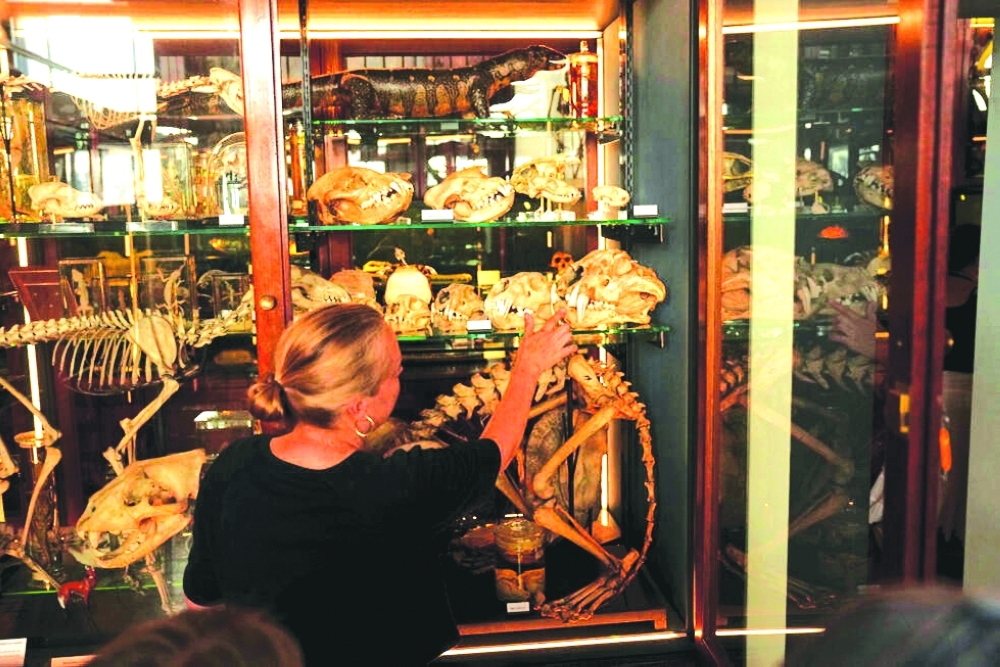
However, the main threats to Oman’s biodiversity include overgrazing, habitat loss, overexploitation and damage to coastal and marine ecosystems, invasive species, population growth, and the use of modern technology.
The Environment Authority, responsible for setting policies and implementing programs to protect and sustain the nation's environment, recently affirmed that Oman continues to fulfil its national and international commitments to environmental protection and natural resource aligning with the Oman Environment Strategy and the objectives of Oman Vision 2040.
On the global stage, Oman reached a historic ascent of 94 positions in the Environmental Performance Index to attain 55th rank worldwide and second place regionally within both the Gulf and the Arab world.
This distinguished achievement was further crowned with the Arab Excellence Award, bestowed in recognition of the Authority’s pioneering endeavours in sustainability and environmental guardianship.
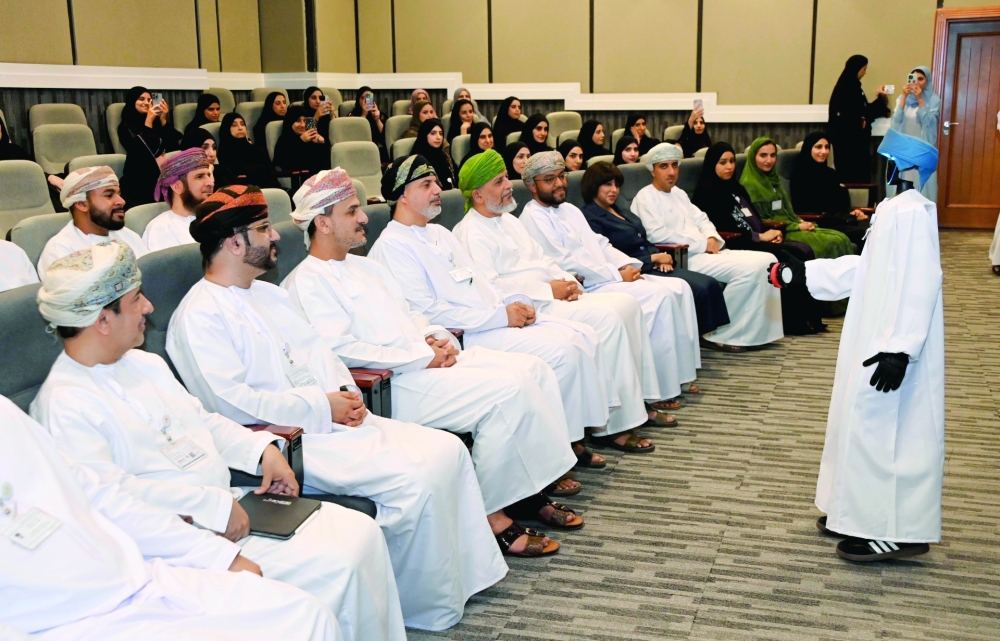
According to the Authority, digital advancements played a crucial role in strengthening Oman’s environmental infrastructure. “Digital achievements across several strategic pillars, most notably the natural resources and biodiversity pillar, saw a strategic expansion of the national network of nature reserves,” it said during a review meeting last week.
The Authority’s performance on the ‘Modernity’ sub index reached an impressive 96.37 per cent in the 2024 Environmental Performance Index.
Oman has planted over 72 million trees as part of an aggressive national strategy to combat desertification and reduce carbon emissions. Driven by the Environment Authority, this effort drastically exceeded its original target of 10 million trees. The plantings include over 11.3 million mangrove seedlings and more than 856,000 wild trees.
In the air quality, Oman has been able to reduce its emissions to 94.7 million tonnes, as the share of green investment increased from 3 per cent to 27 per cent.
Looking ahead to the next 14 years of Vision 2040, many challenges will arise in achieving a sustainable environment. However, by integrating green growth with economic diversification, Oman ensures that future economic benefits are both sustainable and environmentally responsible.
This balance supports the Vision’s goal of establishing a knowledge-based economy while preserving natural resources.
Oman Observer is now on the WhatsApp channel. Click here