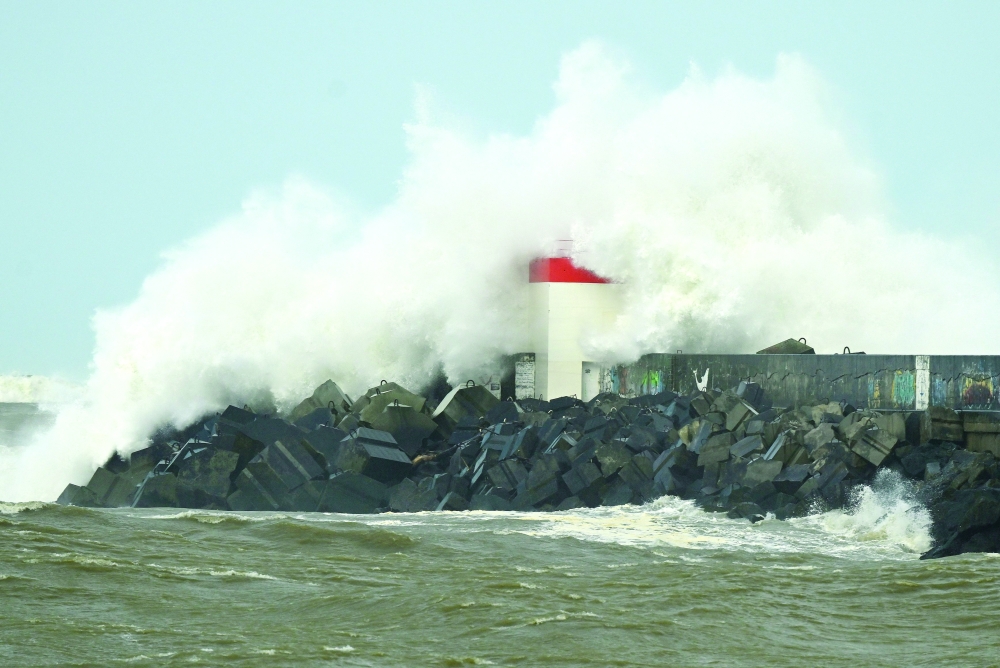
The United Nations Educational, Scientific and Cultural Organization’s report identifies climate change as a major challenge to sustainable development, highlighting rising global temperatures, sea-level increases, shifting rainfall patterns, and the growing frequency and intensity of extreme weather events such as storms, cyclones, and heatwaves.
These environmental changes generate interconnected pressures on water security, food production, public health and disaster risk management, while disproportionately affecting developing countries and vulnerable populations, thereby undermining progress towards global development goals, including the Millennium Development Goals (MDGs) and Education for All (EFA).
In the educational context, climate change is already reversing gains by reducing enrolment rates, disrupting the delivery of quality education and compromising safe learning environments. In line with this perspective, the World Bank report further emphasises the need to safeguard education systems from escalating climate impacts, noting that the increasing frequency and intensity of extreme weather events — including floods, droughts, heatwaves, wildfires and compound hazards — are significantly disrupting schooling processes.
These disruptions contribute to learning losses, higher dropout rates and long-term adverse effects on educational attainment, with an estimated 75 million children already affected by natural disasters, a number projected to rise. Moreover, the World Bank highlights that over 99 per cent of children globally are exposed to at least one major climate or environmental hazard, a condition that continues to erode educational outcomes and hinder progress in access and learning.
The report further distinguishes between direct impacts — such as damage to infrastructure, increased school closures and deterioration in learning environments — and indirect impacts arising from economic instability, food insecurity, health challenges, displacement and conflict, all of which reduce students’ readiness to learn and limit demand for education. Collectively, these findings underscore not only the vulnerability of education systems to climate change but also the critical role of education in supporting mitigation and adaptation efforts, particularly through its integration within the framework of Education for Sustainable Development (ESD).
Based on the preceding discussion, climate change is increasingly recognised as a critical determinant influencing educational structures on a global scale. Primarily driven by anthropogenic greenhouse gas emissions, it exerts wide-ranging impacts across multiple sectors, including education. Consequently, education plays a fundamental role in equipping individuals with the knowledge, competencies, and adaptive capacities required to mitigate and respond effectively to climate change. This reciprocal relationship underscores the significance of examining the intersection between climate change and education as a critical field of inquiry. From a policy and research perspective, climate change imposes both direct and indirect impacts on education systems while simultaneously positioning education as a key mechanism for climate action.
Direct impacts include damage to educational infrastructure caused by extreme weather events — such as floods, storms and heatwaves — which can result in temporary or prolonged school closures, particularly in resource-constrained contexts. Additionally, climate-related disasters disrupt learning processes by interrupting student attendance and reducing teacher availability. Adverse environmental conditions, including rising temperatures and deteriorating air quality, further affect students’ health and cognitive performance, with heat stress reducing concentration and learning efficiency. Despite these challenges, educational institutions can enhance community resilience by supporting disaster preparedness and adaptive practices.
In conclusion, climate change poses significant challenges to education systems worldwide, affecting infrastructure, access and learning outcomes. However, education also represents one of the most powerful tools for addressing climate change. By integrating climate awareness into curricula and strengthening system resilience, education can play a transformative role in building a sustainable future.
Oman Observer is now on the WhatsApp channel. Click here