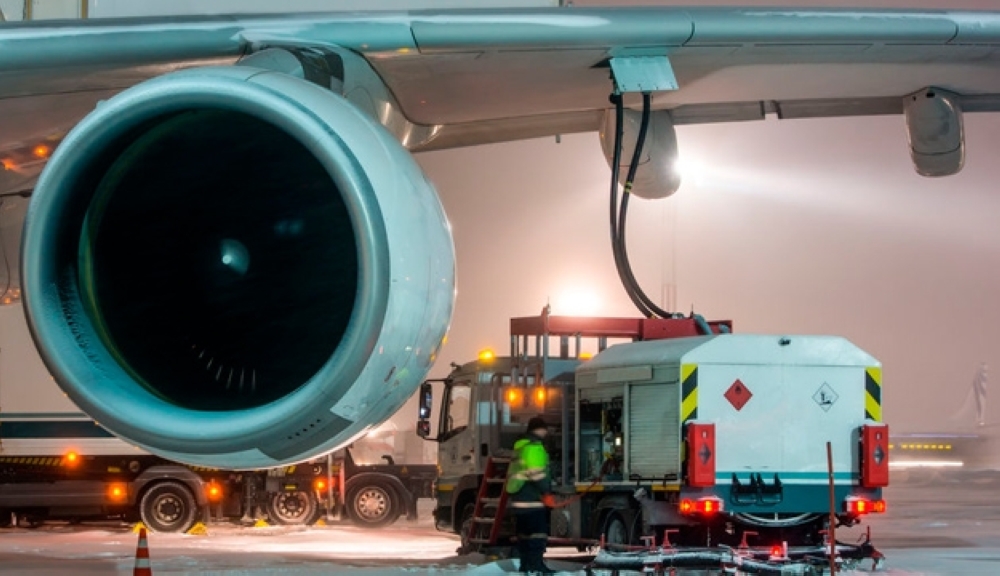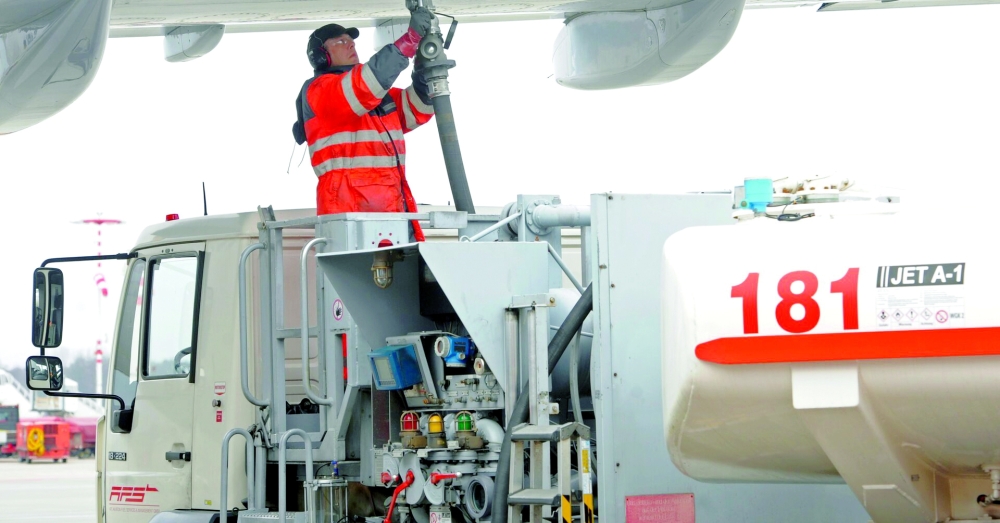





BRUSSELS: At a plant near Frankfurt, in Germany, hydrogen and CO2 sourced from a chlorine factory and a biogas facility nearby are piped into a reactor and turned into jet fuel. Interest in such synthetic propellants is growing as the Iran war pushes Europe to reassess its dependencies, raising hopes of a turnaround for the struggling sector, according to industry experts.
The conflict "made the business case for e-SAF much stronger," Mariano Berkenwald, head of strategy at Ineratec, the firm operating the Frankfurt facility, said. Before the war squeezed Europe's jet fuel supplies, electro-Sustainable Aviation Fuel (e-SAF), was largely touted for its climate friendly credentials.
Doing away with oil, it can reduce by 90 per cent planet warming emissions from aviation — itself responsible for up to four per cent of all greenhouse gases released in the European Union — proponents say. Brussels has made it a key component of a push to green up transport, mandating fuel suppliers to blend at least 1.2 per cent of the stuff into the kerosene made available at EU airports by 2030 and 35 per cent by 2050. But the sector has struggled to take off, bogged down by high costs and low investments.
About 40 more projects under development are stuck in a rut, unable to secure the funding needed to start production plants, said Camille Mutrelle of advocacy group Transport & Environment (T&E). Europe needs roughly nine more bigger factories to meet the 2030 target but "we still have zero", she said.
The industry was braced for a review of the mandate due next year. It now believes the Iran war and the resulting closure of the Strait of Hormuz, a key shipping lane for global gas and oil, might have changed the momentum.
Oman Observer is now on the WhatsApp channel. Click here