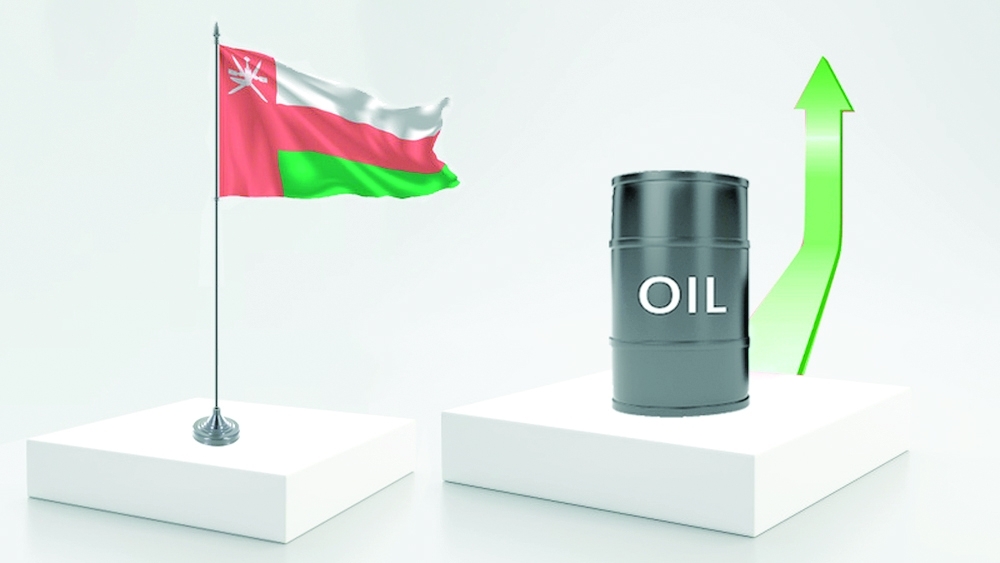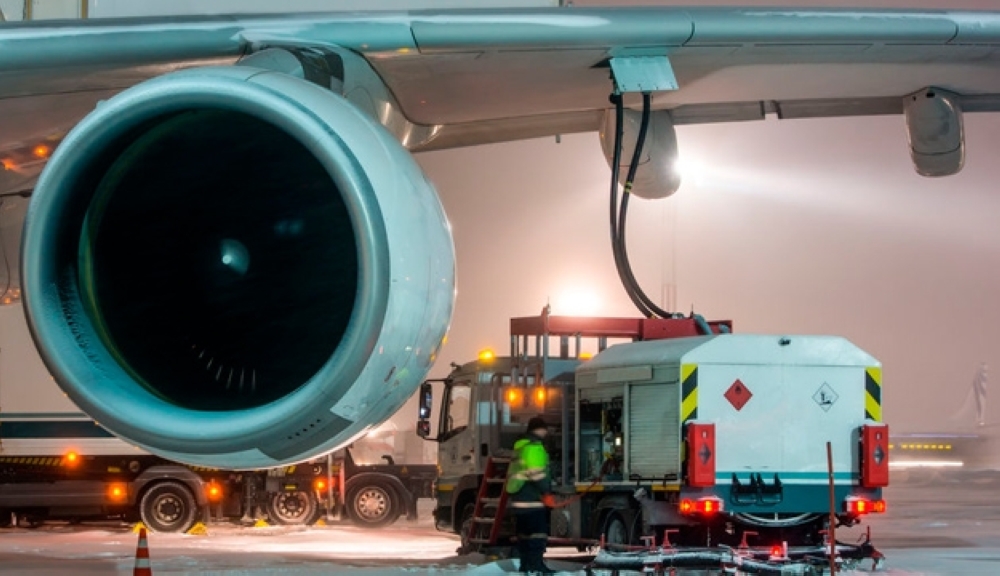





Muscat: Despite the recent thaw in the US/Israel-Iran war following the announcement of the two-week ceasefire, the surging prices of jet fuel used by airlines will continue to be a concern.
According to the Jet fuel price monitor, the weekly average price of jet fuel on the week ending April 3 is $209 per barrel, which surged by 7.1% from $195.19 on the week ending March 27. Prices at the week ending March 20 were $197, March 13 were $175, and March 6 were $157.41.
As per the IATA's initial forecast for 2026, a jet fuel price was estimated at $88 per barrel, with an average Brent price of USD 62.
As of the week ending April 3, the prices are highest in Asia Oceania at $228.21, Europe and CIS ($216.89), the Middle East ($215.26), North America ($192.07), and Africa ($219.25), among others.
According to IATA, fuel cost is one of the largest, if not the largest, components of an airline’s operating cost
Jet fuel prices eased in 2025, reflecting broader trends in the oil market. Brent crude fell sharply, down 14.5% YoY over January to October, sliding into the low $60s per barrel by June 2025.
This decline pulled jet fuel prices down to an average of USD 89 per barrel in the first half of 2025, compared to $106 per barrel in
early 2024.
For the full year of 2025, jet fuel is on the trajectory to decline by 9% YoY to $90 per barrel.
Demand for jet fuel is projected to grow by nearly 4% in both 2025 and 2026.
Despite this growth, jet fuel accounts for only 9% of global refined output and remains a low priority for refineries.
Instead, refineries optimize their product mix by focusing on higher-demand, higher-margin products such as diesel and petrol.
Diesel production competes with liquefied natural gas (LNG) and is influenced by LNG price movements.
For passengers from Oman and the GCC, India's Air India carrier said it would revise its fuel surcharge from a flat domestic surcharge to a distance-based grid. It said surcharges on international routes did not compensate for the exponential rise in jet fuel prices.
India's biggest airline, Indigo, introduced fuel charges on domestic and international flights from March 14, including a charge of 900 rupees for flights to the Middle East and a charge of 2,300 rupees for flights to Europe.
Pakistan International Airlines raised domestic flight fares by $20 and international fares by up to $100, citing higher fuel surcharges.
Oman Observer is now on the WhatsApp channel. Click here