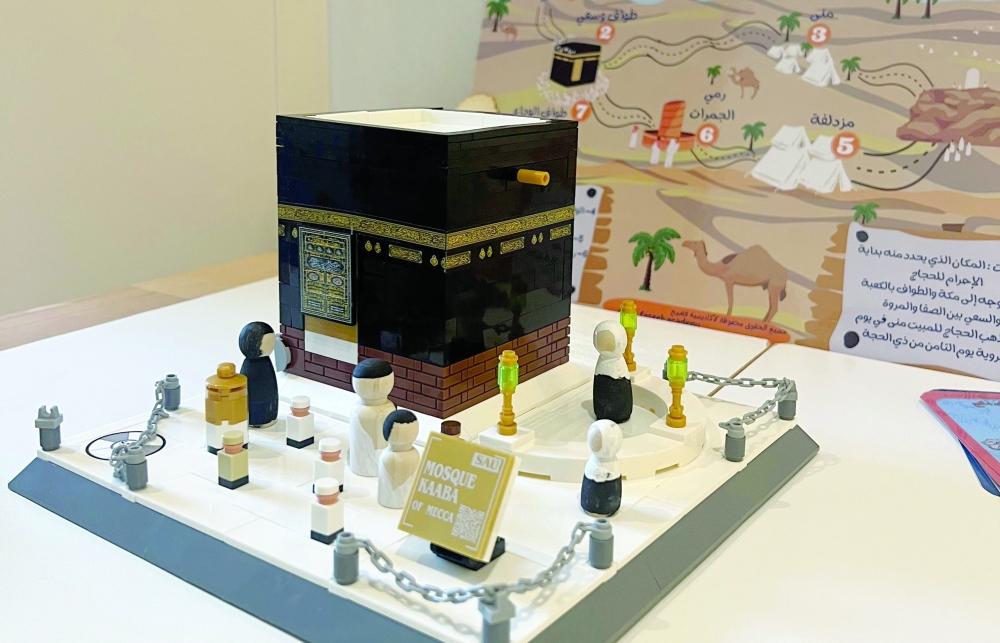





Every year, as the Haj season approaches, millions of Muslims travel towards Mecca. While this journey may seem distant from children’s daily lives, its meanings can be introduced through simple experiences shaped by play, repetition and emotional connection.
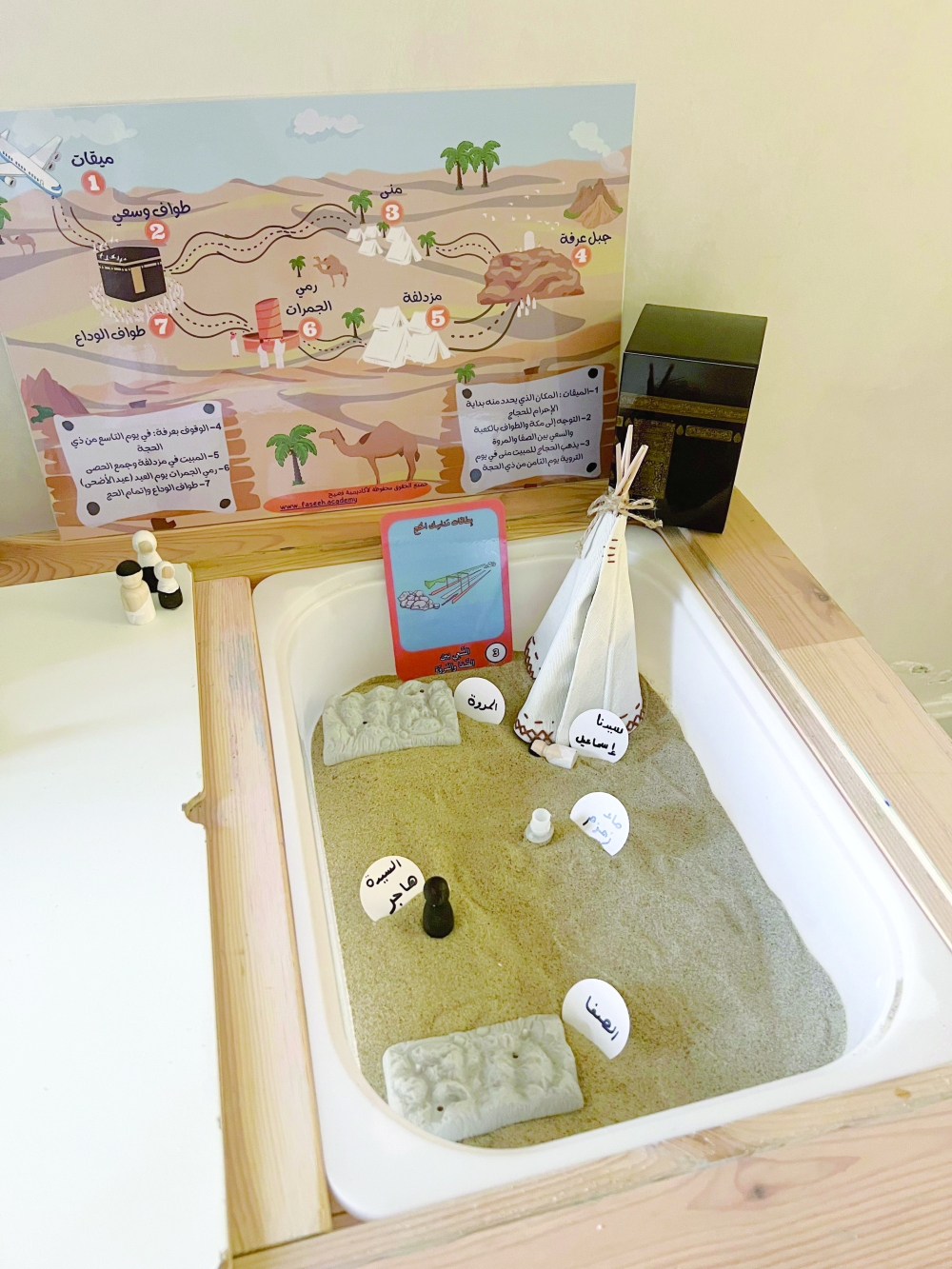
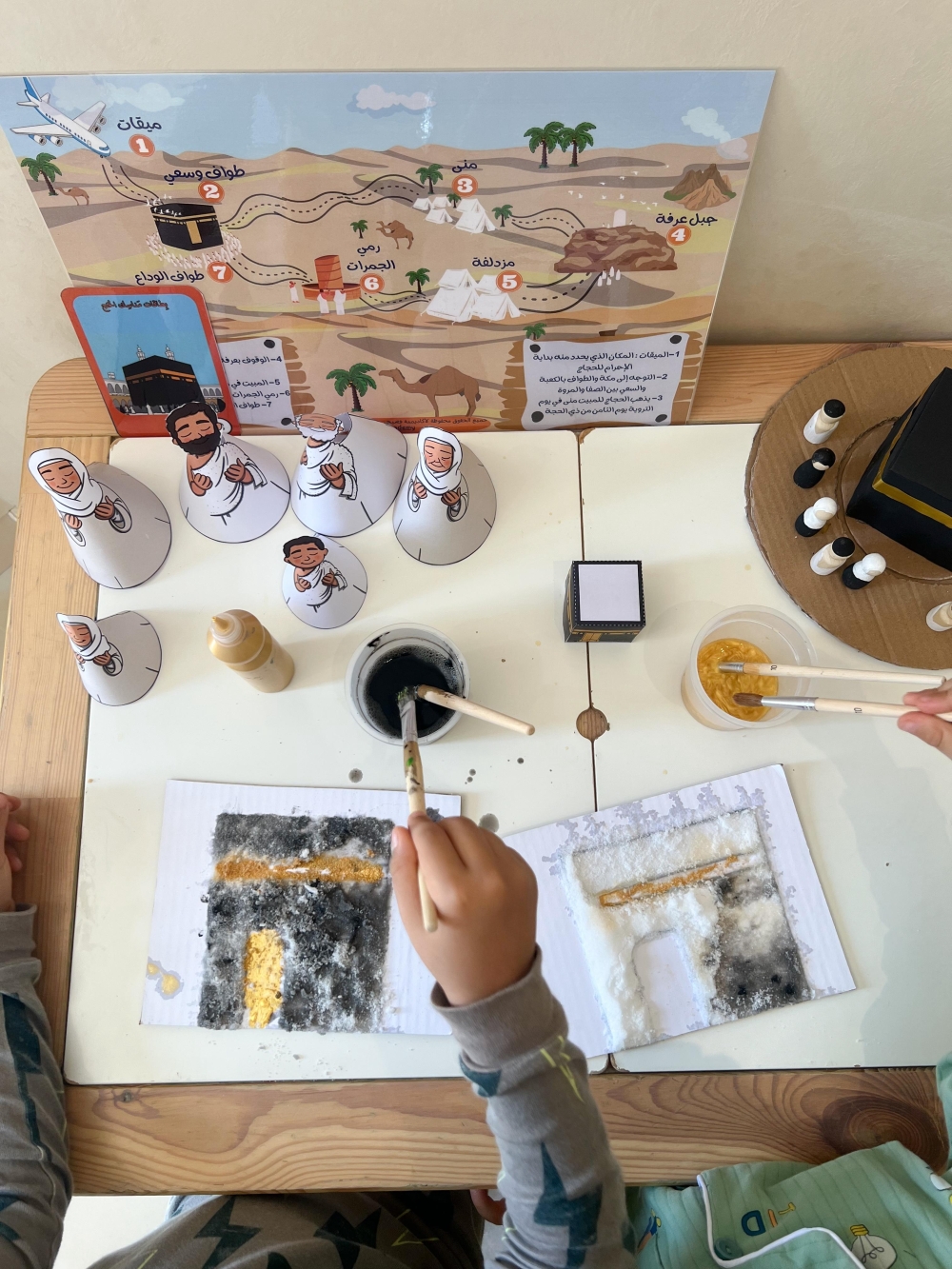
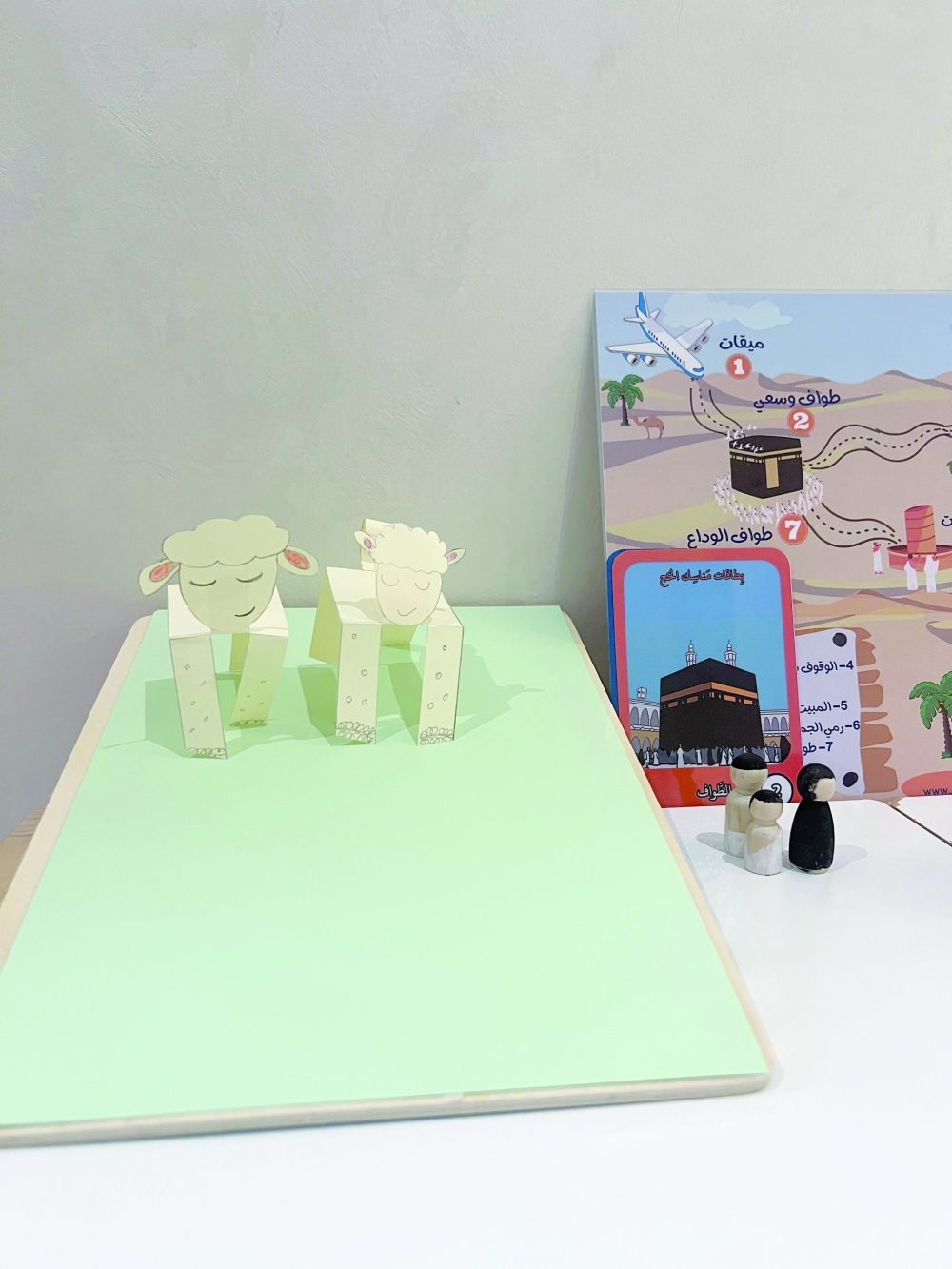
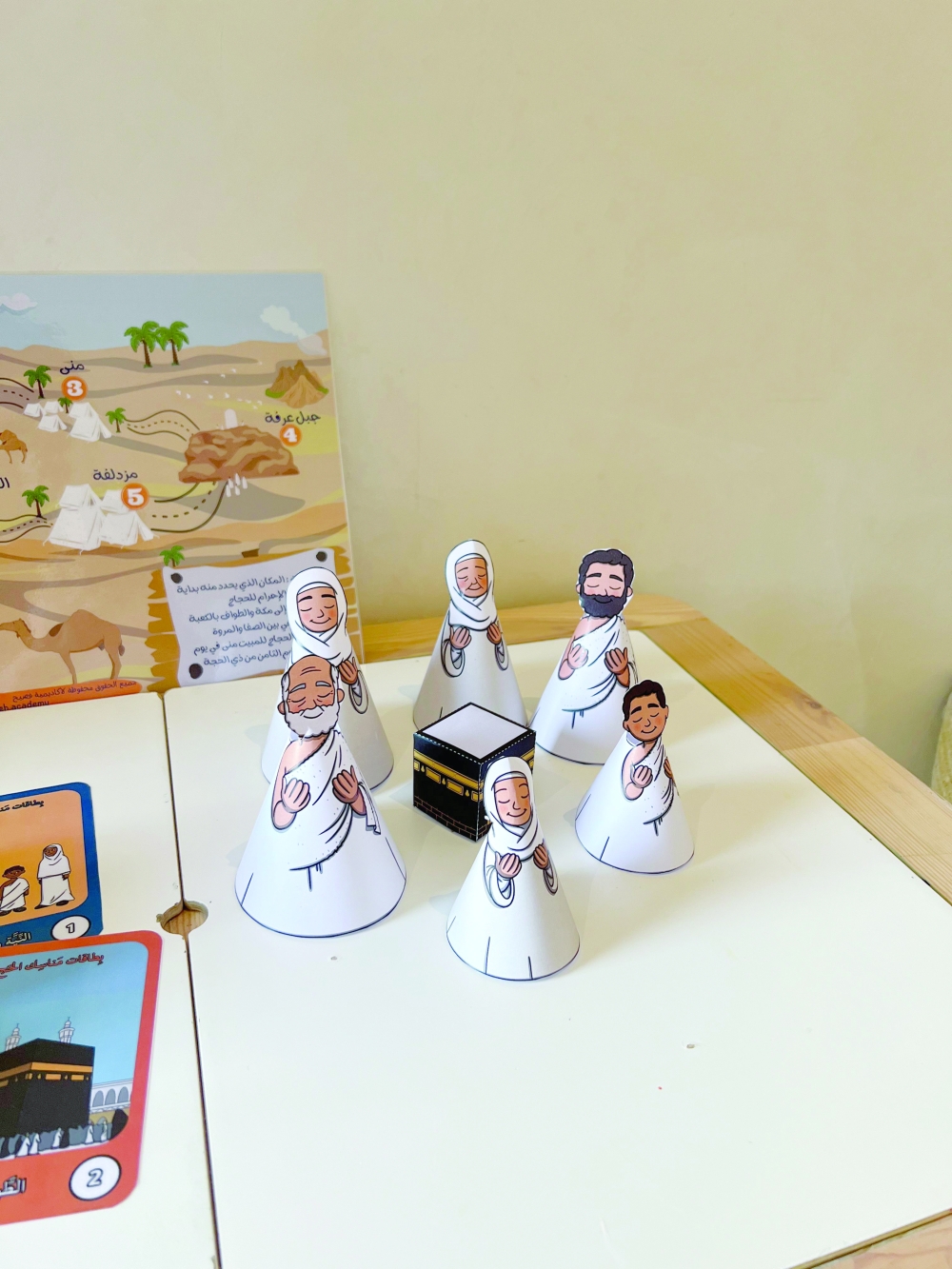
At Shamsa al Tenaji’s home, Haj becomes a hands-on learning activity. Her children build a cardboard model of the Kaaba, create a sand path symbolising the pilgrimage route and perform tawaf using dolls dressed in white cloth representing ihram. Through these activities, abstract ideas become visible, tangible and easier to understand.
Shamsa, a Montessori teacher and certified positive parenting trainer, explains that children learn more effectively through experience than explanation. “They learn by seeing, touching and doing”, she says. Instead of focusing on complex details, she presents Haj as a journey of unity, patience and connection with God and others. She links it to familiar experiences such as travel or gathering in large crowds, helping children emotionally relate to the concept.
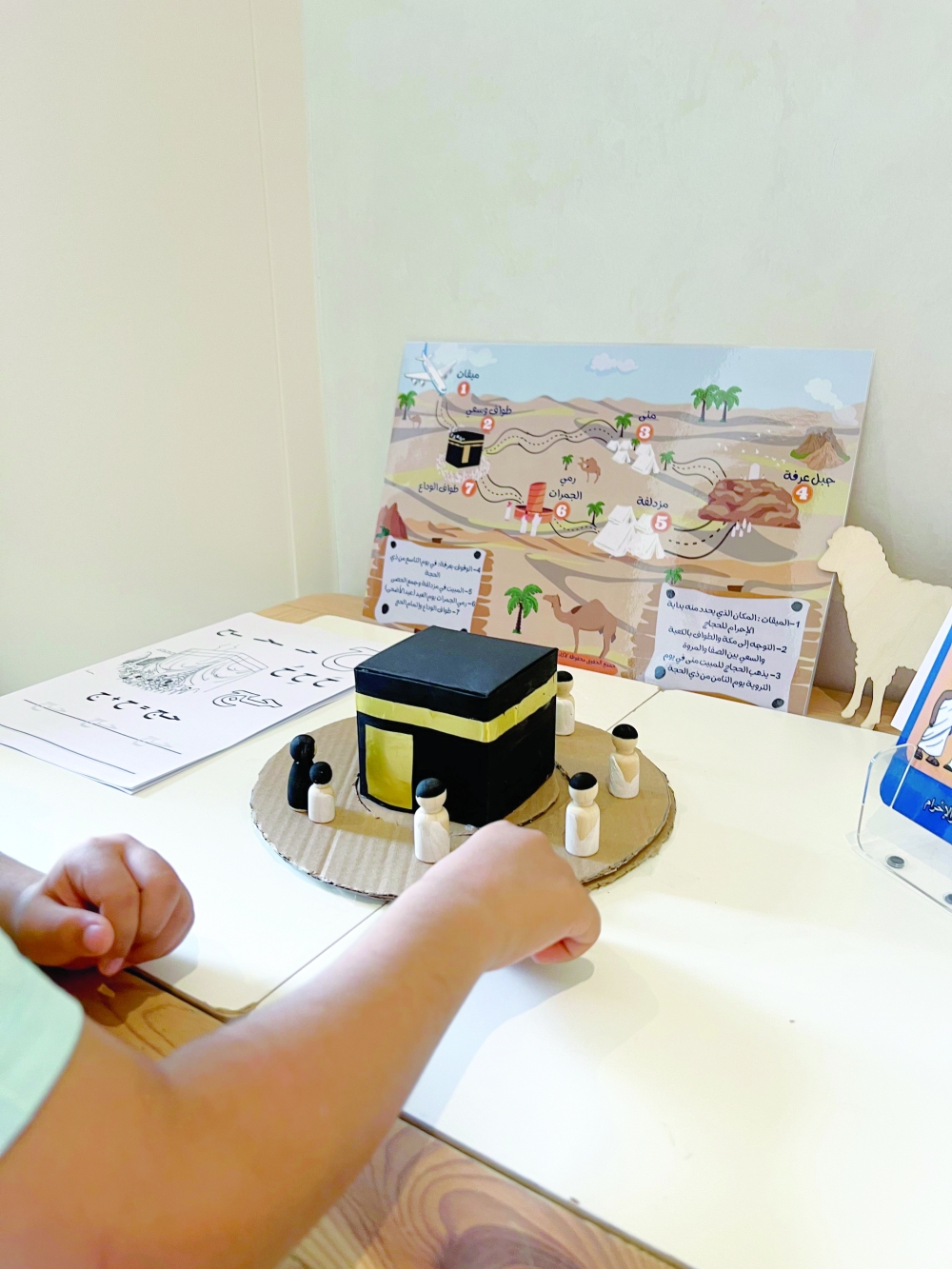
She adds that children understand emotions before details. When they learn that millions of people take part in Haj, they begin to sense belonging to something larger than themselves. This emotional approach helps build early awareness of shared human experience.
Educational specialists also recommend presenting Haj not as abstract information, but as a meaningful journey any child can understand — one that teaches patience, effort, cooperation and the feeling of being part of a greater whole.
Family counselor Fatima Abbas, specialising in early childhood education, explains that Haj rituals carry powerful symbolic lessons when presented in simple terms. The sa’i between Safa and Marwa reflects perseverance and hope, inspired by Hajar’s search for water for her son Ismail. Tawaf represents unity and collective purpose, while ihram symbolises equality, as all pilgrims stand alike regardless of wealth or status. She emphasises that learning through play strengthens emotional memory and helps children retain values long-term.
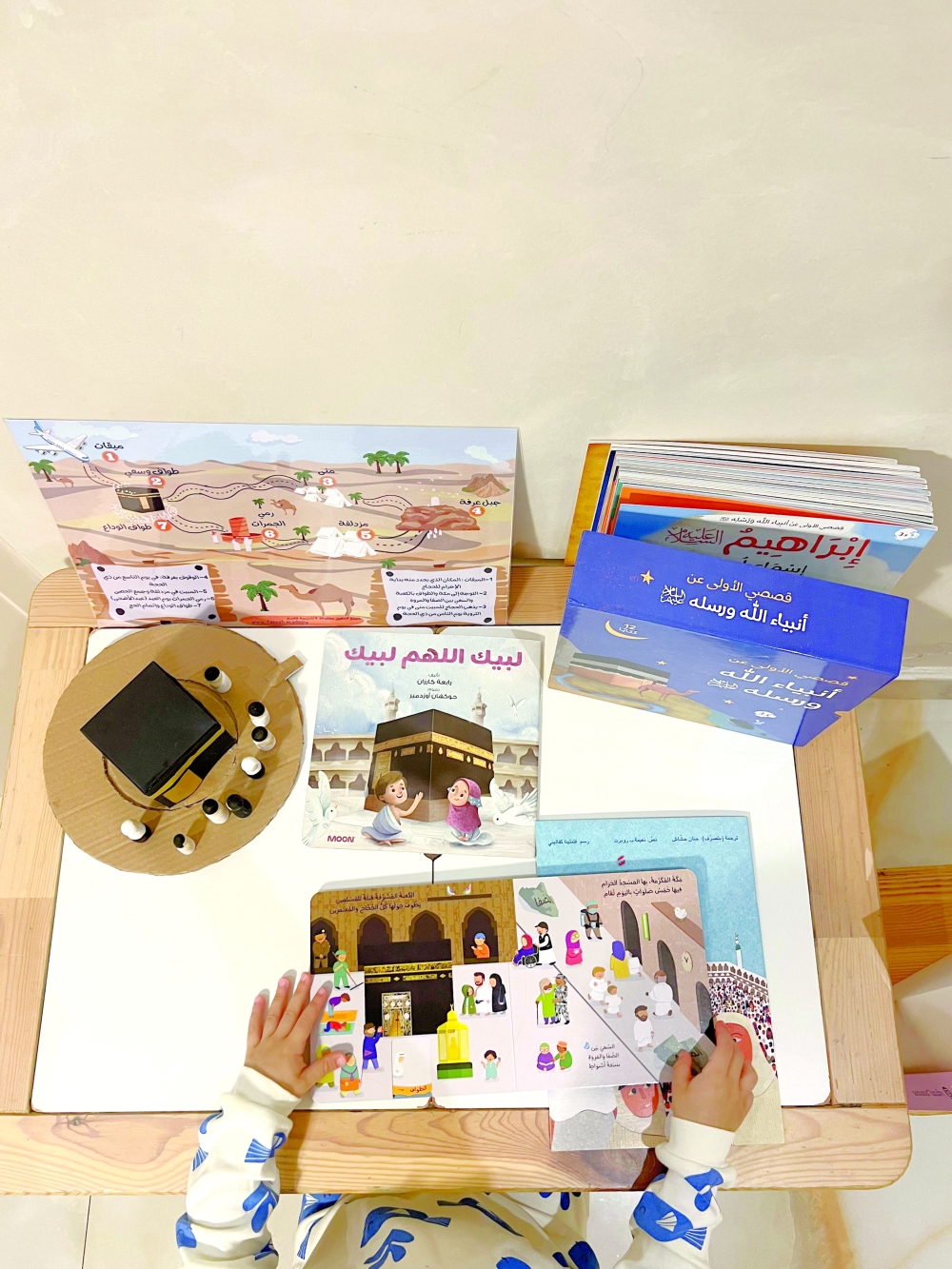
Fatima also highlights the importance of connecting these meanings to daily life. Children experience perseverance when learning to ride a bicycle, swimming, or solving difficult problems without giving up. These moments mirror the meaning of sa’i as continuous effort and hope. Even observing animals, such as birds learning to fly, can reinforce ideas of growth and persistence.
She adds that everyday social behaviours also reflect Haj’s values. Waiting for one’s turn, sharing food or toys, or helping younger siblings all teach patience, generosity and equality. These repeated actions allow children to internalise values naturally through lived experience.
According to Fatima, children do not learn only through reasoning but through emotional repetition. “These small moments stay with them for years”, she explains. When values are consistently practiced at home or in daily interactions, they become part of a child’s character rather than abstract ideas.
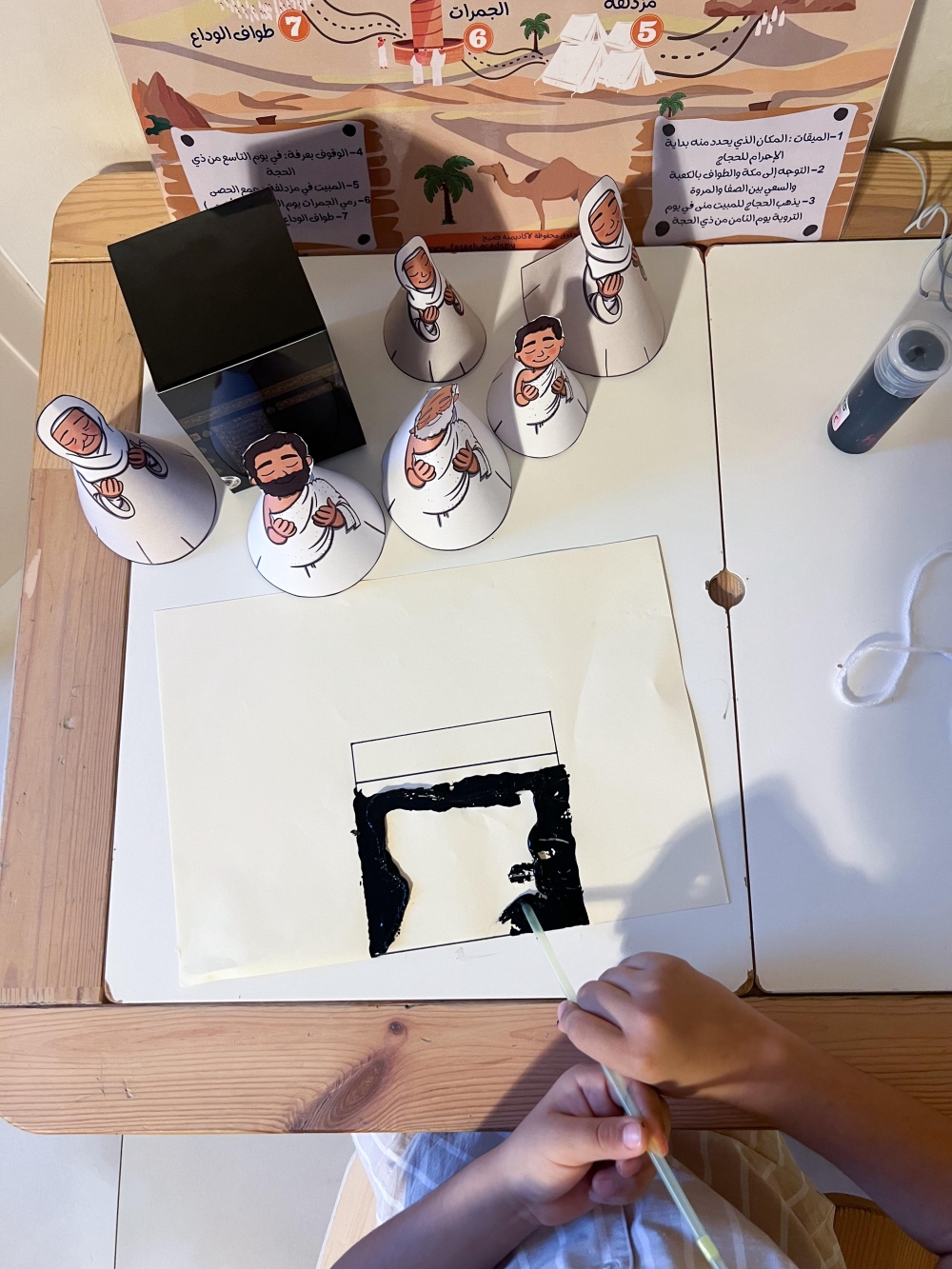
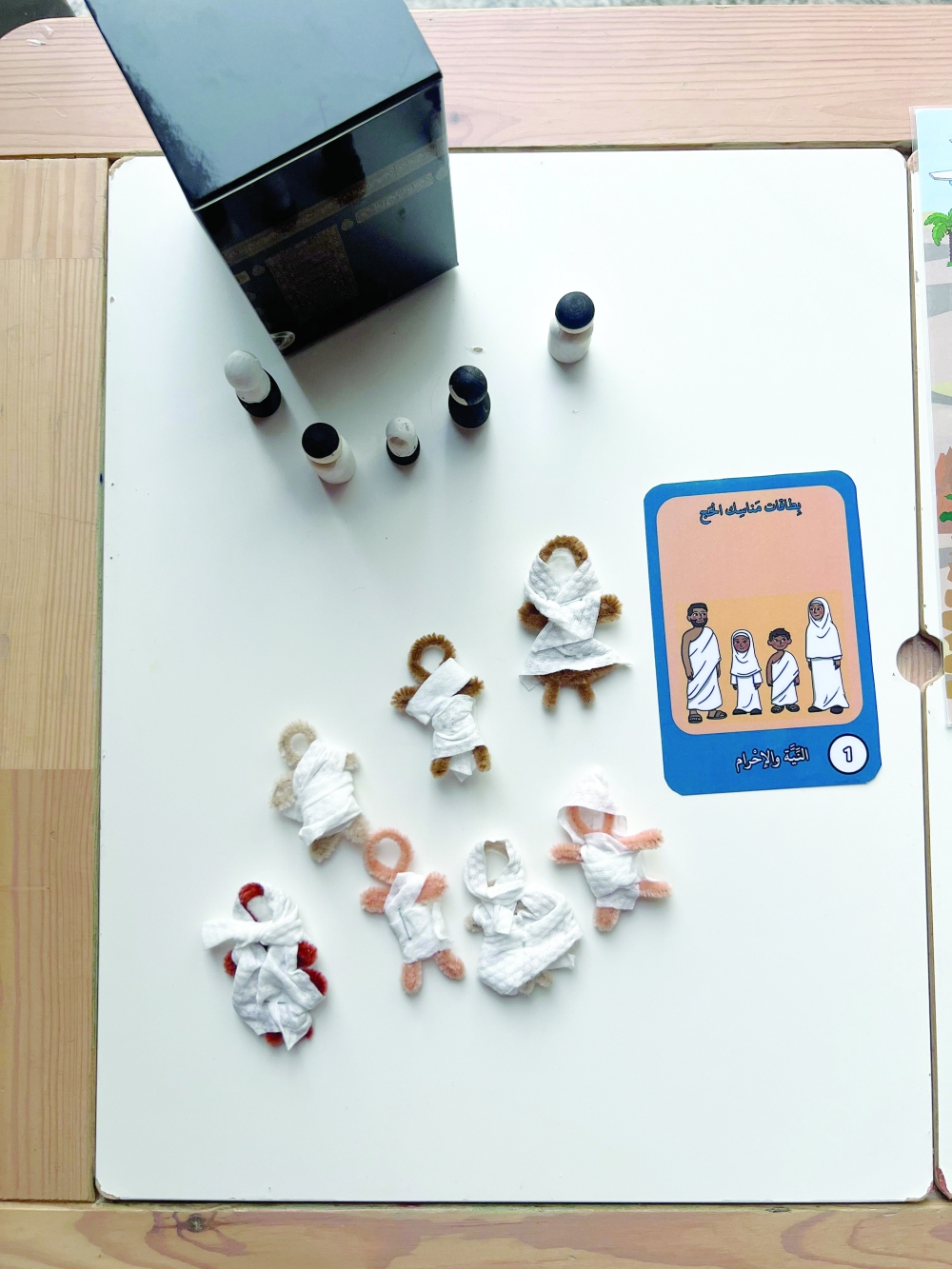
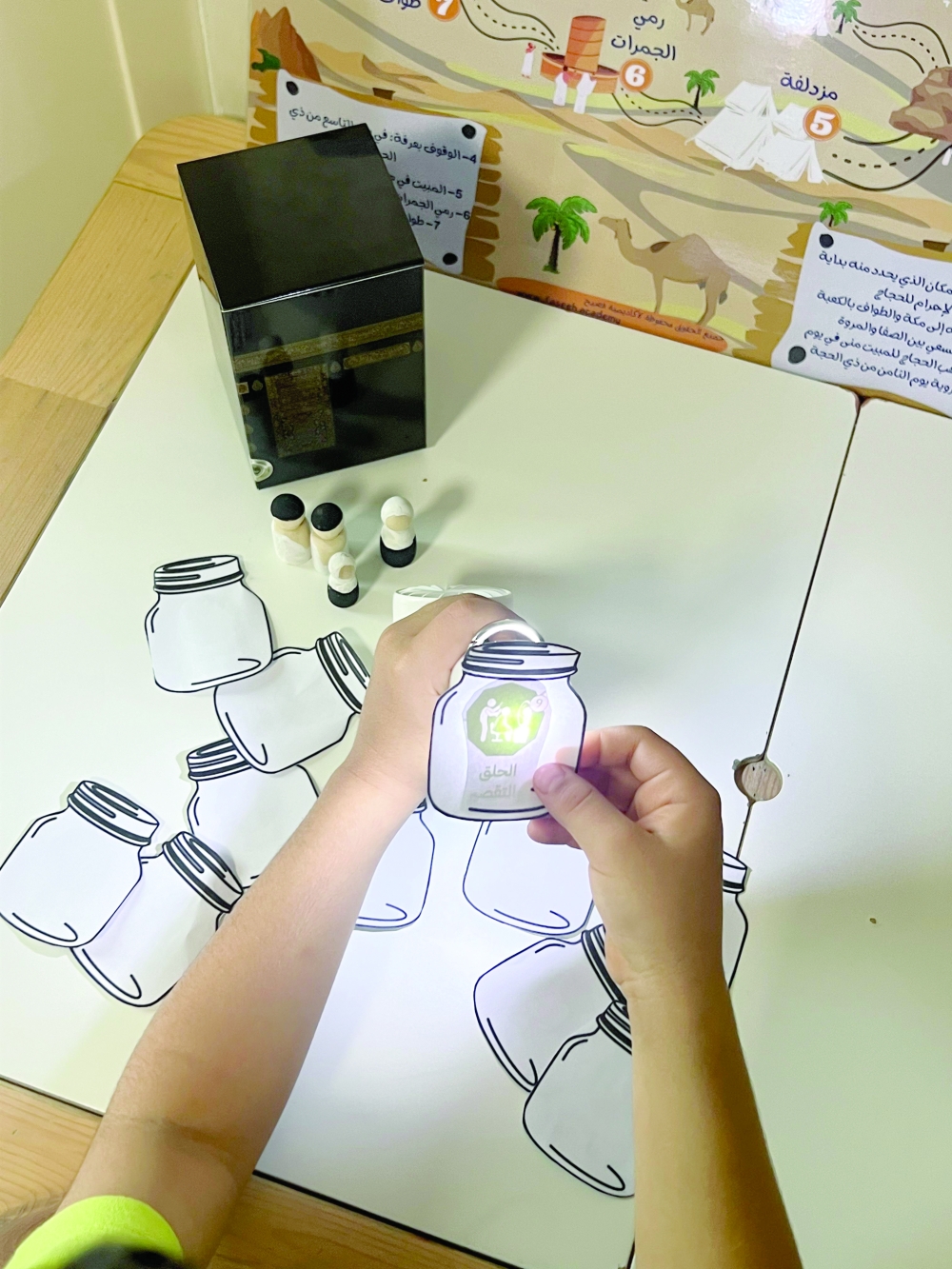
Shamsa observes this learning in her own children. During play, they sometimes say, “We are doing Haj”, or move together saying, “All together”. These expressions show that they have absorbed meaning, not just information. For children, understanding appears in behaviour, imagination and repeated action rather than verbal explanation.
In this way, Haj becomes more than a yearly religious event. It turns into a lasting emotional memory shaped in childhood, growing quietly alongside the child and reinforcing values such as unity, patience and belonging.
Through play-based learning and value-linked routines, children understand that Haj is not simply a journey to a distant place, but an inner journey towards meaning and purpose that can be reflected in everyday life.
Although Haj is an Islamic act of worship, its values extend beyond religion. As Fatima Abbas notes, it reflects a broader human message: the gathering of people from diverse languages, cultures and backgrounds, united in shared purpose. It emphasises hope, discipline, patience, equality and belonging to a community larger than oneself.
Oman Observer is now on the WhatsApp channel. Click here