




MUSCAT, AUGUST 23
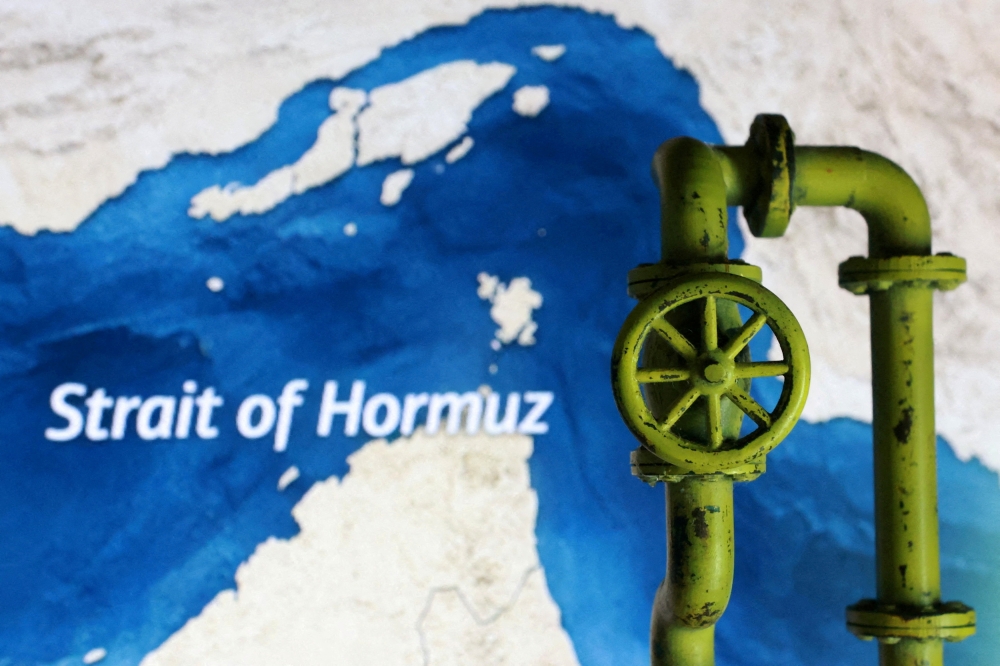
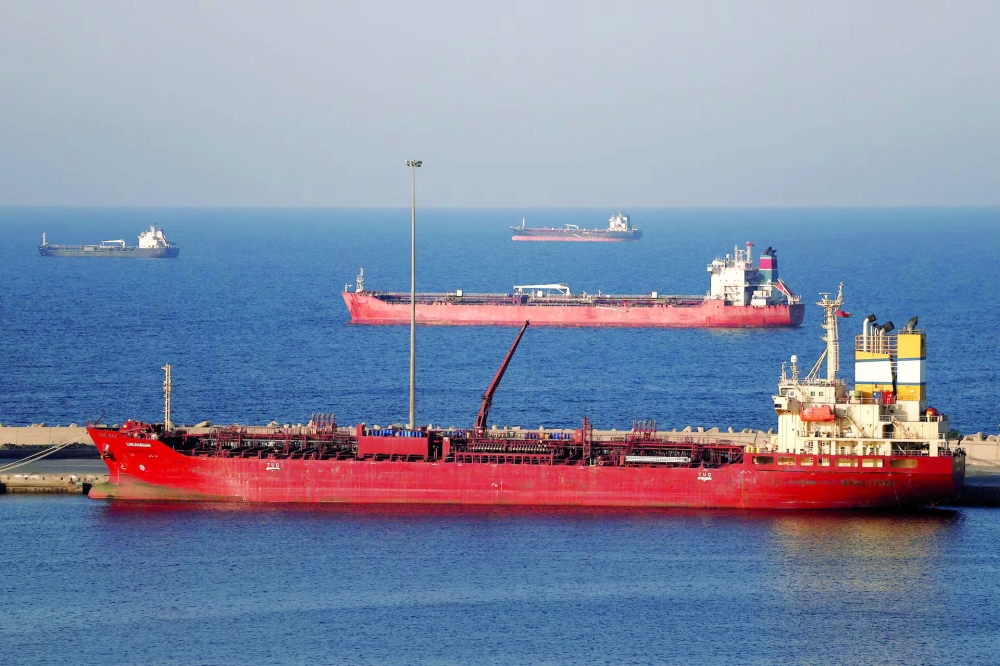
More than 1,500 ships stranded around the Strait of Hormuz could pose an unexpected environmental threat, with scientists warning that prolonged periods at anchor may allow marine organisms to colonise vessel hulls before being transported to ports around the world.
Researchers say the unusually large concentration of stationary vessels could create the conditions for a marine bioinvasion “super-spreader” event once normal shipping movements resume.
The concern centres on biofouling, the accumulation of marine organisms on submerged surfaces. Bacteria and algae are often the first to settle, followed by larger organisms such as barnacles and mussels. While biofouling is a normal challenge for the shipping industry, vessels remaining stationary for weeks or months provide more favourable conditions for marine communities to develop.
An international team of 24 marine scientists has examined the potential ecological consequences of the disruption. Their research, published in the journal Biological Invasions, warns that organisms accumulating on stationary ships could eventually travel thousands of kilometres when vessels return to their normal routes.
The timing adds to the concern, as many ships have remained stationary during warmer months when marine organisms can grow and reproduce rapidly.
Researchers say significant biological growth can begin within a relatively short period. Vessels remaining stationary for several weeks may therefore require assessment and potentially further measures to manage biofouling before returning to international waters.
For Oman, the issue is particularly relevant. The Sultanate of Oman sits immediately outside the Strait of Hormuz, with its coastline extending along the Sea of Oman and Arabian Sea. These waters support diverse marine ecosystems while also forming part of major international shipping routes connecting the Gulf with the Indian Ocean and markets further afield.
The environmental risk emerges when ships begin moving again.
Marine organisms attached to hulls can survive long-distance journeys and be released or reproduce in destination waters. If conditions are favourable, introduced species can establish populations and compete with native marine life. Without the predators and environmental controls found in their original habitats, some can spread quickly.
One organism highlighted by researchers is the Asian green mussel. Native to parts of the Indo-Pacific and present in Gulf waters, the species has already appeared far beyond its natural range.
Once established, invasive mussels can compete with native shellfish and accumulate on marine infrastructure. This means the consequences of biological invasions are not limited to biodiversity. They can also affect fisheries, coastal industries and infrastructure, including facilities that rely on seawater.
Biofouling itself can create additional problems for ships. A heavily fouled hull increases resistance as a vessel moves through the water, potentially increasing fuel consumption and associated emissions.
What makes the current situation particularly unusual is its scale. Rather than individual vessels remaining at anchor for extended periods, a large number of ships have been stationary within the same region.
Each vessel may already carry organisms collected during previous journeys. While stationary in Gulf waters, additional local species can settle on their hulls. When shipping movements resume, those vessels could then disperse in different directions across the international maritime network.
Scientists are particularly concerned about ports reached soon after ships leave the region, where organisms may have a greater chance of surviving the journey and establishing themselves.
Researchers are therefore calling for vessels that have remained stationary for extended periods to be assessed for biofouling. Heavily affected ships may require cleaning before resuming their journeys, although this process needs careful management to prevent organisms removed from hulls from simply being released into surrounding waters.
Oman Observer is now on the WhatsApp channel. Click here