




The Khareef Dhofar Season in Dhofar Governorate is not only associated with fog and drizzle. As visitors flock to the governorate, local flavours appear on their tables, carrying stories about the place and its people.
Among these is Qalib bread, also known as Salalah cake, a traditional Dhofari bread prepared using a method that has been passed down through generations. It is increasingly finding its way to visitors during the season, offering them a taste of daily life in southern Oman.
In the Wilayat of Taqah, Taliiah bint Naseeb bin Farag, known as Umm Abdulrahman, sits in front of her dough, reviving through movements she has practised for three decades one of the food traditions that has accompanied her since childhood, as many Dhofari women do.
For her, the story began with old gatherings that brought her together with her mother, aunts and older women, where she would silently observe and learn by watching. There was no written recipe or set of step-by-step instructions; the knowledge was simply passed from hand to hand and from one generation to the next.
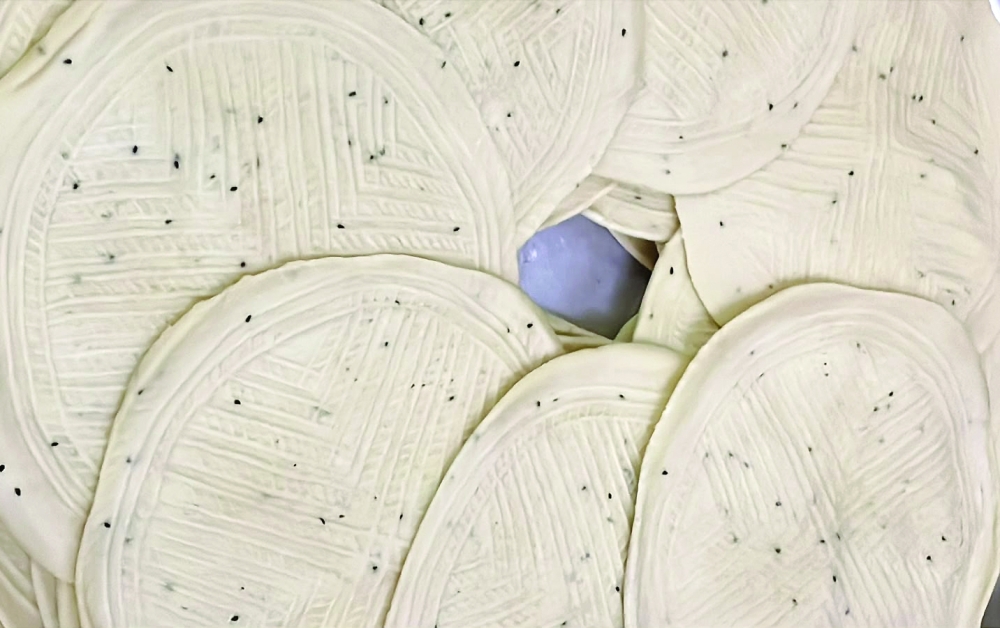
At the heart of the bread-making process is the clay tool known as the “Qalib”, meaning mould, which features raised lines.
“When a ball of dough is lightly struck with it, those lines leave their mark on the surface of the bread, giving it its distinctive shape. This is where the name Qalib bread comes from”, she noted.
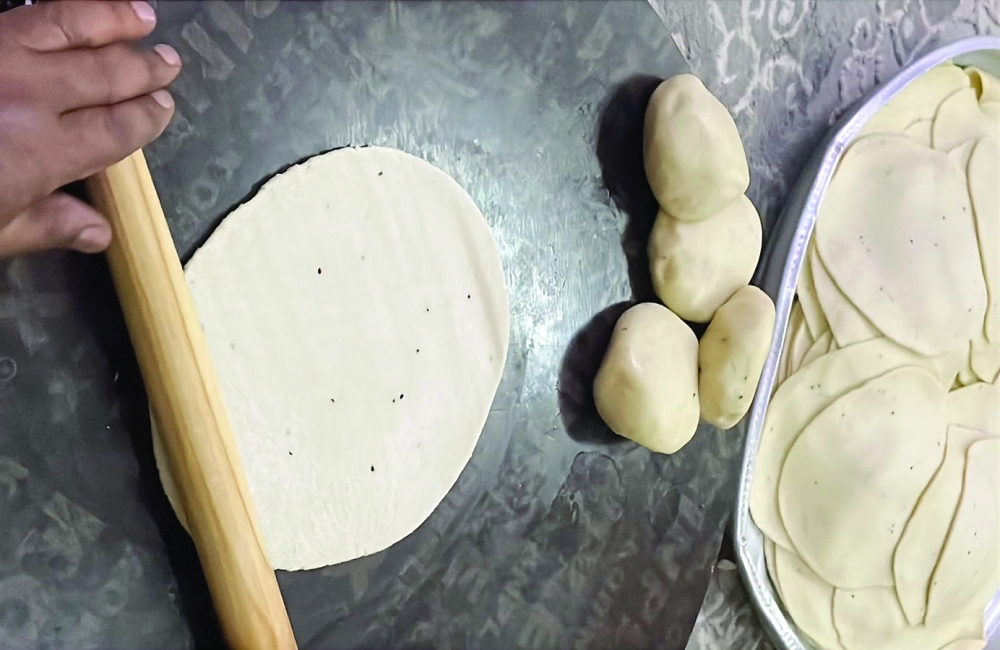
She explained that the process begins with simple ingredients: flour, sugar, salt, ghee and nigella seeds are mixed together before water is added until the dough comes together. The dough is then left to rest for a while.
Next, the dough is divided into small balls. Once a sufficient number of dough balls have been prepared and flattened, the baker begins using the mould, lightly tapping each one until the lines that will become its distinctive mark after baking appear.
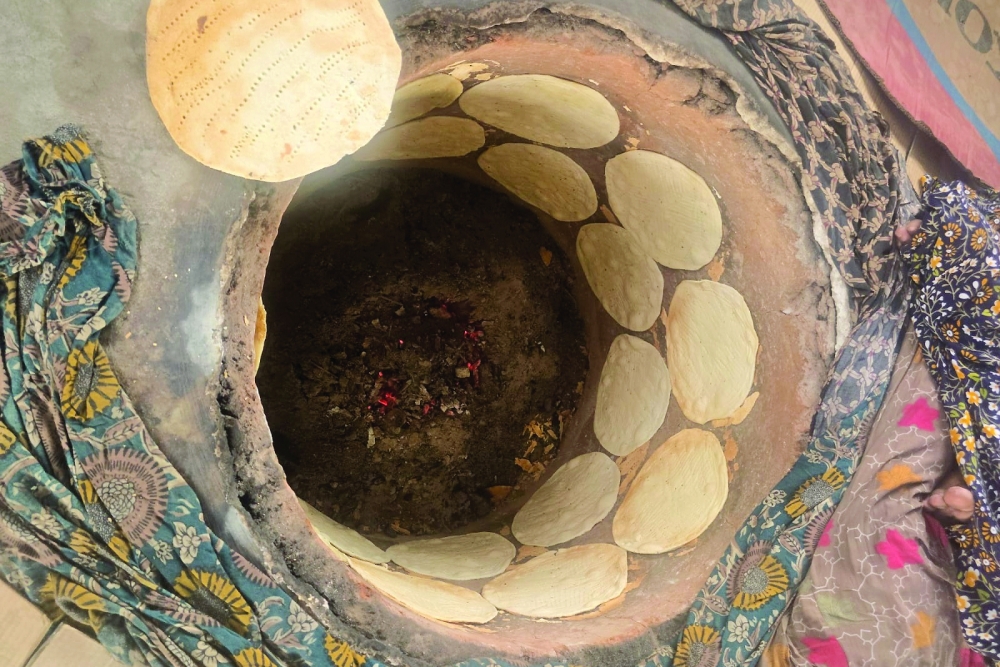
But the journey does not end there. The pieces of dough are then transferred to the tanoor — a small pit in the ground used for cooking — which can hold around 15 pieces of bread, depending on their size. When the bread turns reddish-brown, she knows it is ready.
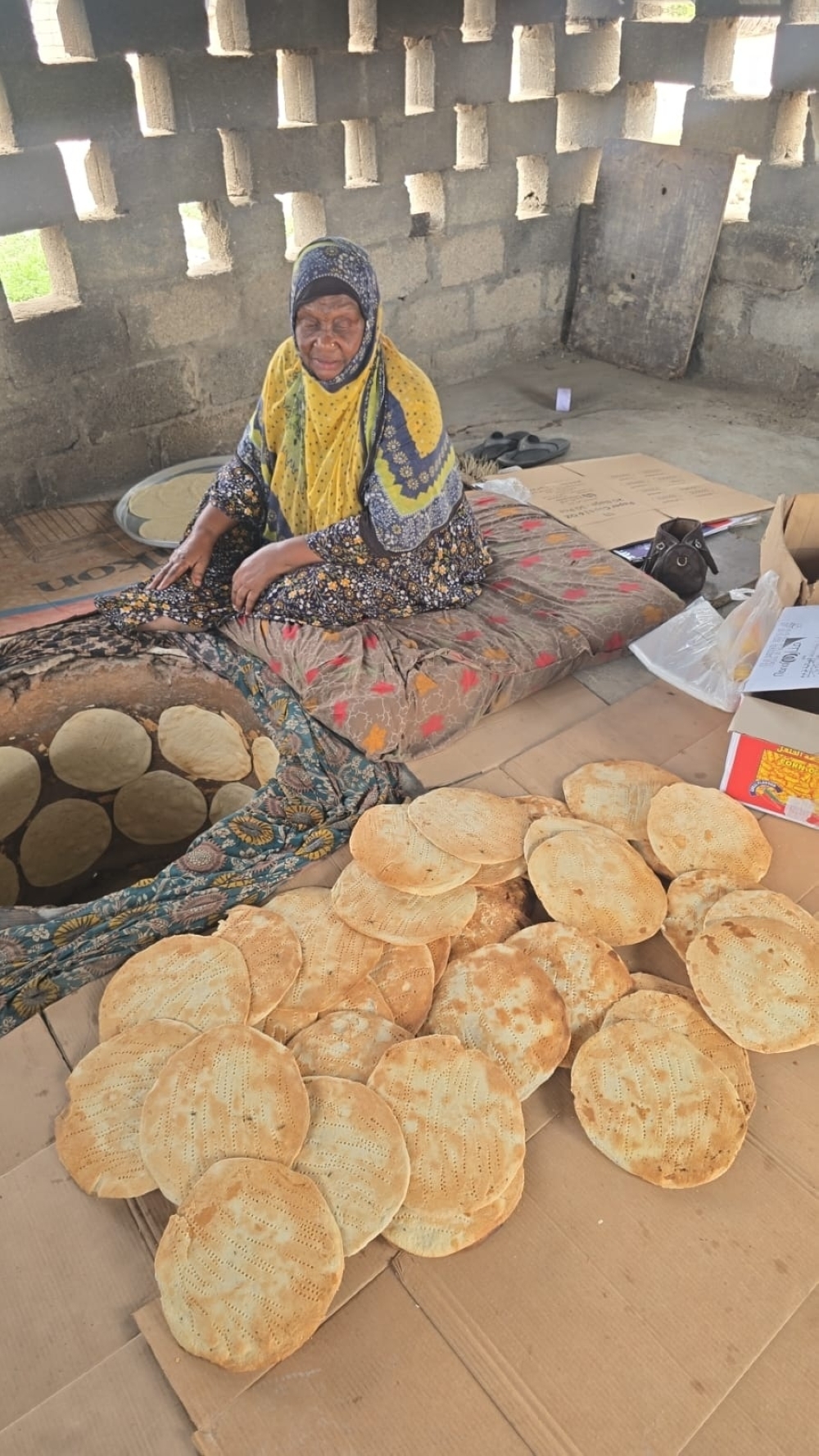
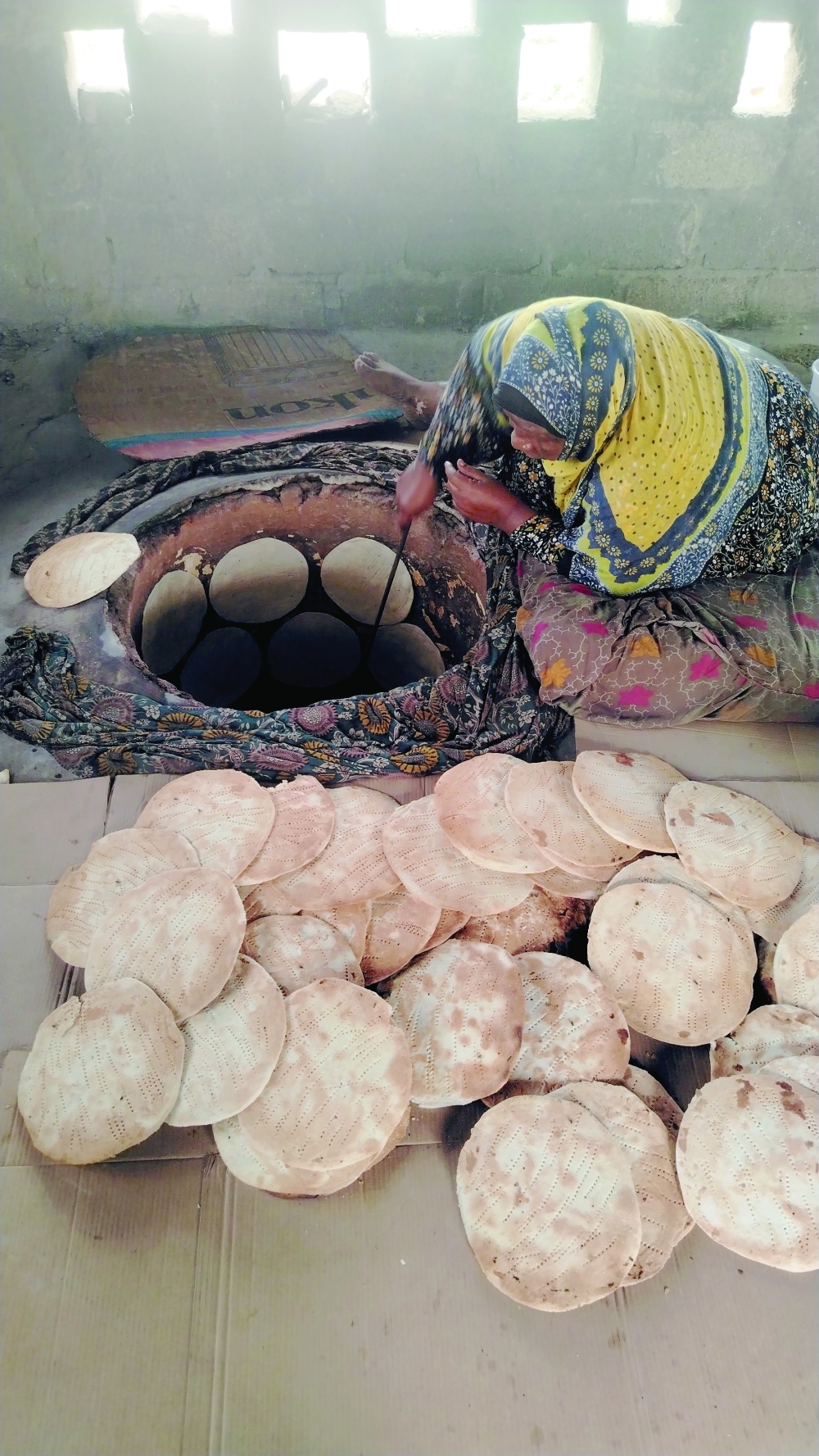
Qalib bread is one of the most popular types of bread in Dhofar Governorate and is prepared for various occasions, particularly Eid celebrations and weddings. It also holds special significance during the autumn season.
As visitors flock to Dhofar to enjoy its lush greenery and misty atmosphere, demand for local cuisine increases. Qalib bread becomes one of the flavours visitors seek out in order to experience another facet of the region’s culture.
Here, tradition intersects with economic opportunity. For her, as for many women in Dhofar, this craft is no longer merely an inherited domestic skill, but has also become a source of income, particularly during seasons when demand is high.
She said with a smile, “We, as older women, cannot stop practising this craft. We love it, enjoy doing it and it provides us with a good source of income”.
Oman Observer is now on the WhatsApp channel. Click here