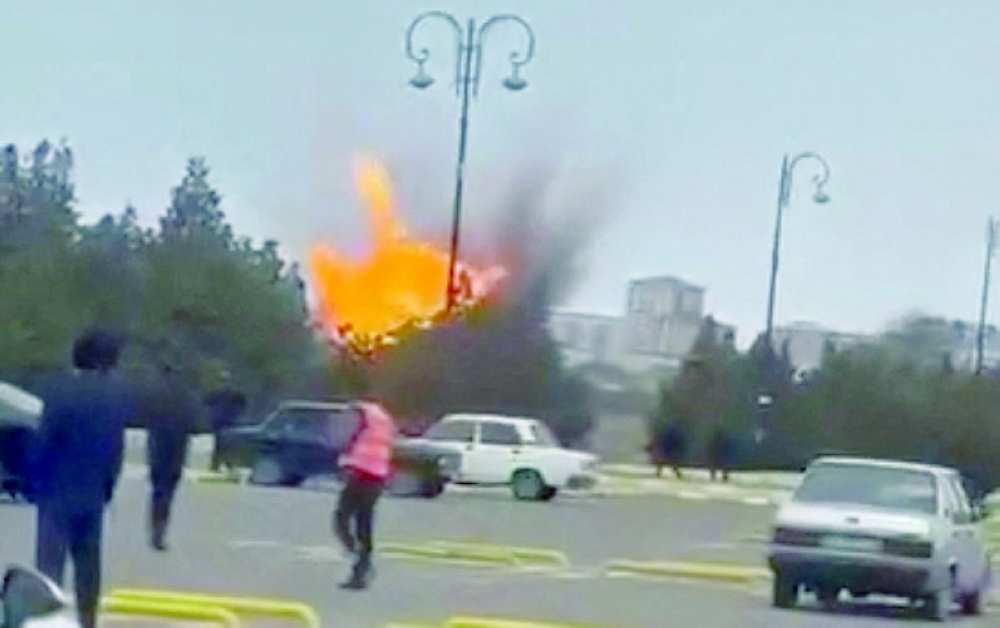





A drone strike on gas vessels in Egypt's Mediterranean port of Damietta signalled a potential new front in the US-Iran war, raising the prospect of threats to navigation through the Suez Canal, one of the last remaining export routes for Saudi oil.
Egypt's cabinet said on Thursday that an initial investigation found an unidentified drone caused a fire on two vessels at Damietta port on Wednesday. The port lies near the Suez Canal, which links the Mediterranean and Red Sea.
No group has claimed responsibility, the cabinet said. Trading sources familiar with the incident said the drone hit US-owned gas storage tanker Energos Winter, causing a fire that spread to a second vessel.
Overnight, the US military said it struck Iran's Revolutionary Guards' military command centres and drone facilities after Tehran fired at US forces in the region.
Iranian state media, quoting the Guards, said US strikes killed three civilians and wounded two children on Qeshm Island, while three Guards members were killed in Zanjan province.
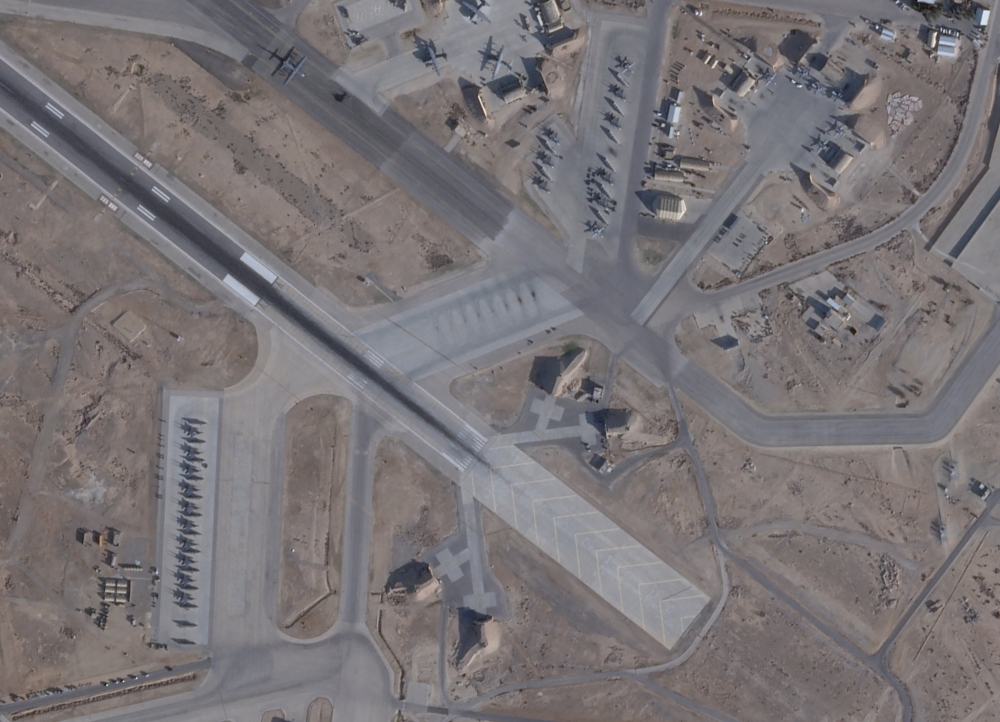
The governor of Khuzestan province, also quoted by state media, said two student dormitory complexes in the southwestern city of Ahvaz were damaged in the attacks. The Islamic Revolutionary Guard Corps said it struck the Azraq military base in Jordan in response, attacking US F-35 fighter jets and killing US service members. The Pentagon did not immediately respond to a request for comment.
Jordan's armed forces said earlier on Thursday they had intercepted five Iranian missiles. The Guards also struck US assets at Ali Al Salem Air Base in Kuwait, destroying two drone hangars and a fuel storage facility, according to Iran's semi-official Tasnim news agency.
An Iranian attack hit a building owned by a Chinese company in northern Kuwait, killing a worker and inflicting significant damage, Kuwait's Defence Ministry said.
Meanwhile, Saudi Arabia's defence minister met Vice-President J D Vance in Washington to urge the Trump administration not to escalate the conflict, two sources said.
The latest strikes in Iraq and Egypt threatened to draw more Middle Eastern countries into the conflict after the Ansar Allah fighters in Yemen declared a naval blockade last week on Saudi Arabia, threatening the alternative Red Sea route for its oil to Asia. Attacks on ships by the fighters prompted London's marine insurance market to widen its "high risk" zone in the Red Sea to include more of the coast adjacent to Saudi ports.
Oman Observer is now on the WhatsApp channel. Click here