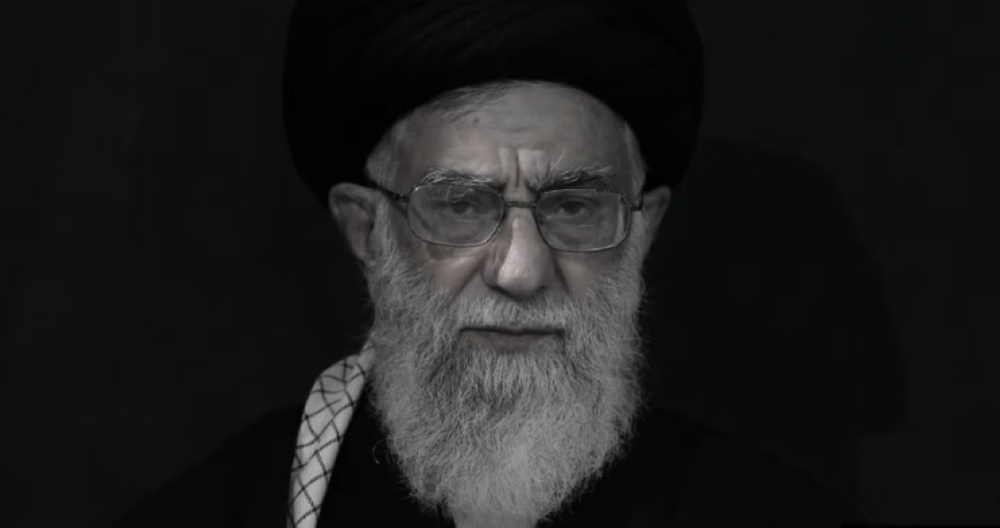
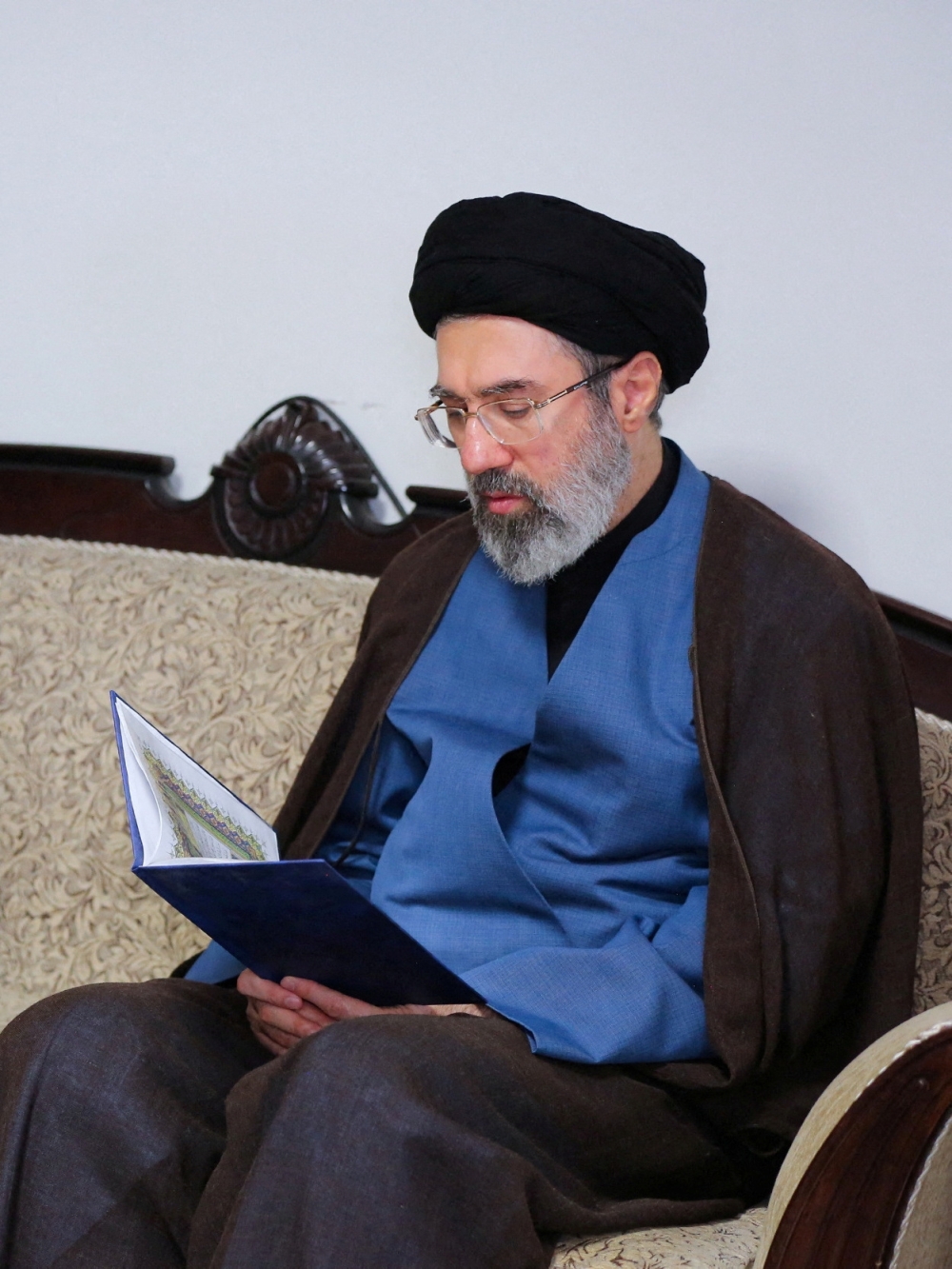
The funeral of Ayatollah Ali Khamenei, marked by massive public crowds and the attendance of foreign officials, became far more than a religious ceremony. It was a political and strategic event that conveyed multiple messages to Iran's domestic audience, the wider region, and the international community. At moments of political transition, such occasions become a test of a state's ability to preserve cohesion, demonstrate institutional continuity, and project resilience.
Now that the ceremonies have concluded, the more important question remains: What did the funeral reveal about Iran, and what might it suggest about the region's next phase amid ongoing conflict and rising tensions?
Domestically, Iran sought to demonstrate that the passing of a leader of Ayatollah Khamenei's stature would neither create a political vacuum nor undermine the state's institutional stability. The scale of public participation reflected the government's continued ability to mobilise supporters during critical moments.
This is an important consideration when assessing contemporary Iran. Reducing the country's political landscape to a simple contest between the state and its opponents risks overlooking the complexity of Iranian society. Like many nations, Iran encompasses diverse political and social constituencies. Yet the funeral suggested that the political system continues to retain significant domestic sources of resilience, challenging assumptions that it faces imminent collapse or rapid internal fragmentation.
Official messaging reinforced this theme by emphasising that governance rests on institutions rather than on the authority of a single individual. The funeral therefore became an opportunity to project continuity, stability, and confidence despite an important leadership transition.
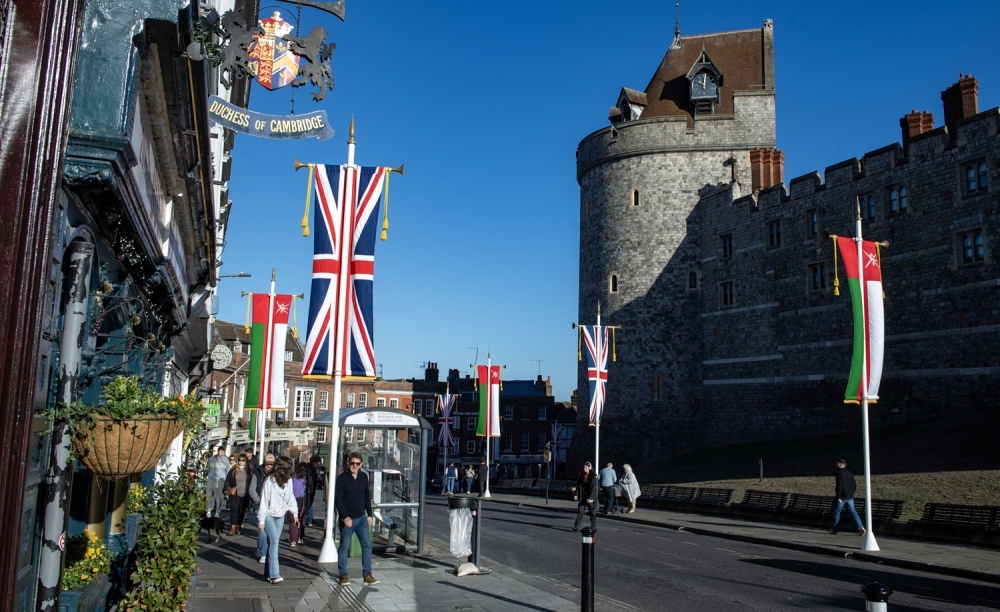
Internationally, the significance of both attendance and absence extended well beyond diplomatic protocol. The participation of some governments reflected a willingness to preserve channels of communication with Tehran despite ongoing disagreements, while others stayed away in accordance with their strategic priorities and political alignments.
This contrast illustrates a broader regional trend towards pragmatic diplomacy. Increasingly, governments appear to be balancing national interests with regional security considerations rather than relying exclusively on rigid geopolitical alignments.
One particularly noteworthy aspect of the ceremonies was the recitation of carefully selected Quranic verses during the reception of foreign delegations. If these recitations were intentionally tailored to individual guests, they reflected a sophisticated use of religious symbolism as a tool of diplomacy. In this context, the Quran functioned not only as a religious text but also as a symbolic language conveying carefully calibrated political and cultural messages.
More broadly, Iran used the occasion to reaffirm Ayatollah Khamenei's standing as both a religious and political leader whose influence shaped the Islamic Republic's domestic and regional trajectory for decades. The presence of representatives from allied governments and movements also conveyed that Iran's regional partnerships are intended to be understood as institutional and strategic relationships rather than personal ones.
This is particularly relevant to Iran's network of regional allies, often described as the "Axis of Resistance." Tehran appears eager to demonstrate that the transition in leadership will not fundamentally alter its regional commitments. At the same time, rival states will be watching closely to determine whether continuity prevails or whether the new leadership gradually adjusts Iran's approach to regional influence and conflict management.
The funeral itself is unlikely to alter the trajectory of ongoing regional conflicts. Nevertheless, it offered an important indication of the Iranian state's ability to maintain internal cohesion under pressure. It also suggested that strategies based on expectations of rapid domestic weakening may underestimate the resilience of Iran's political institutions.
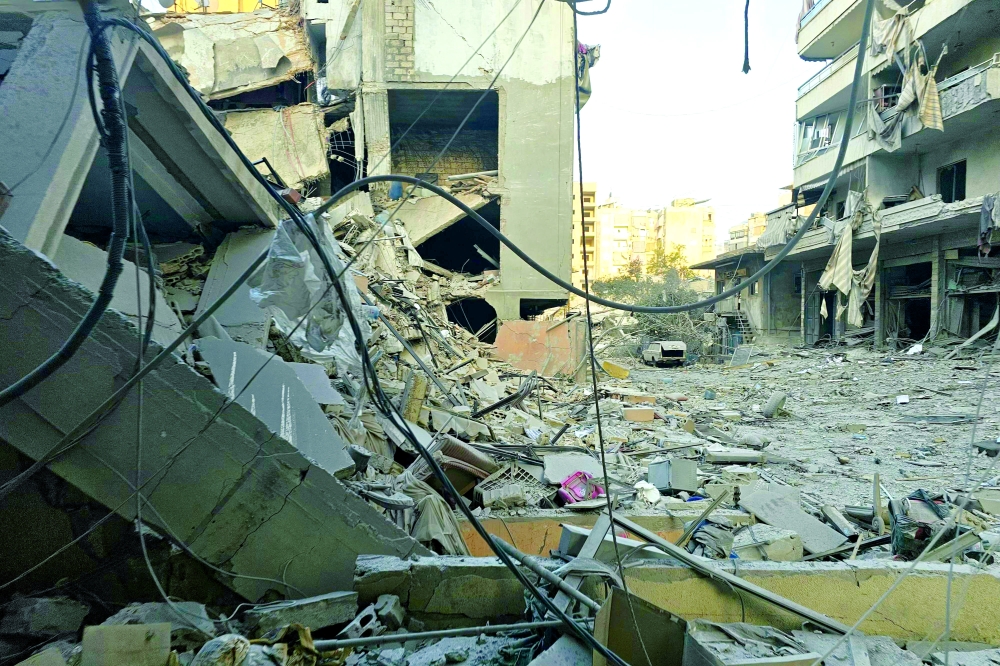
The region, however, remains open to multiple possibilities as political and security crises continue to overlap. The most likely scenario appears to be one of calibrated escalation, with competing actors seeking to strengthen their positions while avoiding a full-scale confrontation whose costs all sides understand.
Ultimately, the funeral suggested that the region may be entering a phase in which managing strategic balances takes precedence over attempts to resolve disputes through force. Geography remains an enduring reality, making prolonged estrangement neither practical nor sustainable. In this environment, states capable of maintaining dialogue and building bridges across regional divides are likely to play an increasingly influential role.
Observers may differ in their interpretations of the funeral, but it clearly represented more than a farewell ceremony. It served as a demonstration of state resilience, a message to allies and adversaries alike, and an early indication of the strategic calculations likely to shape the region's next chapter.
The ceremonies have ended, but their implications will continue to influence regional politics. Whether this moment opens the way for greater dialogue or becomes another milestone in an unresolved conflict remains uncertain. What is clear, however, is that geography will continue to bind the region's states together, making dialogue and crisis management a less costly path than allowing confrontation to escalate further.
Oman Observer is now on the WhatsApp channel. Click here