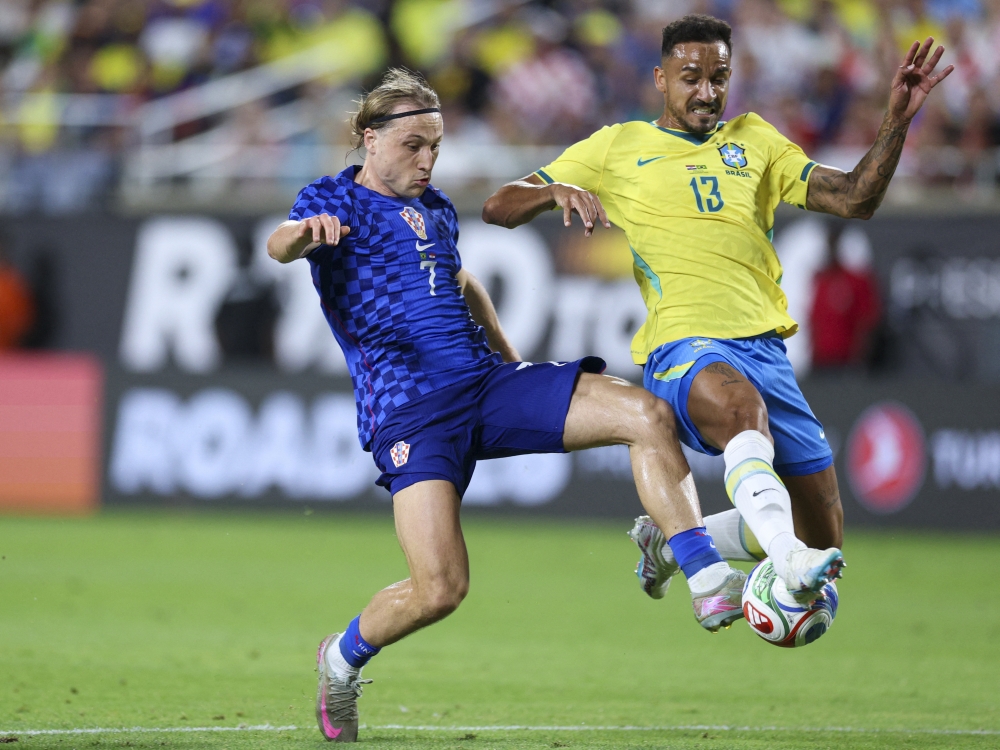
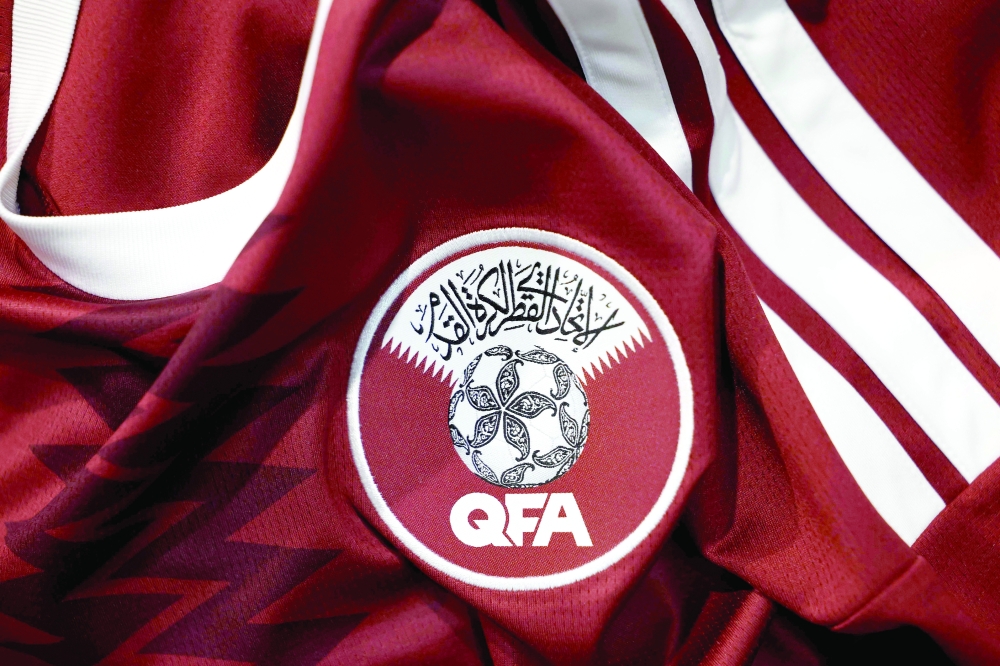
At every major international tournament, the attention of millions is drawn to the competition itself and to the accompanying events, advertising, and marketing drives. Yet many fail to realise that such events are not limited to the contest on the field but rest on an integrated regime of intellectual property rights safeguarding tournament names, logos, media content, and the associated commercial sponsorship rights.
The Fifa World Cup stands as a prominent example of this legal protection. Fifa owns the rights in the tournament's name and in its official logos and designs as trademarks of substantial economic and marketing worth.
The tournament name and associated logos are protected as registered trademarks, giving the rights holder the exclusive ability to use those marks in commerce and to prevent unauthorised third‑party use, including any use of identical or confusingly similar marks that suggest sponsorship, affiliation, or endorsement.
This protection is particularly important in the context of major sporting events, where intense marketing activity creates incentives for “ambush marketing” — attempts by non-sponsors to capitalise on the event’s goodwill without obtaining the necessary licences.
Legal protection extends beyond trademarks to audiovisual content and broadcast rights. While a live sporting event itself is not generally protected by copyright, the audiovisual coverage of matches — including recordings, broadcasts, commentary and production elements — is protected under copyright and neighbouring rights laws.
Broadcasters benefit from neighbouring rights in their broadcast signals, giving them control over the fixation and retransmission. In addition, Fifa has exclusive media rights agreements, granting licensed broadcasters’ contractual exclusivity to film, broadcast and distribute match coverage. Together, these legal and contractual frameworks enable rights holders to prevent unauthorised recording, rebroadcasting, streaming or digital dissemination of match coverage across platforms without prior authorisation.
Sponsorship and advertising rights are another pillar of the World Cup's intellectual property framework. Sponsors invest enormous sums for exclusive rights to use the tournament's name and logos in their marketing and promotional rights, including rights related to fan zones, events, and advertising connected to the Fifa World Cup. In turn, no other party may promote its products or services in a way that suggests an official tie to the tournament or its organisers, since this constitutes an unlawful exploitation of the event's commercial value.
Counterfeit and infringing goods give rise to substantial legal, financial, operational, and reputational liabilities, as they constitute unlawful use and exploitation of protected intellectual property rights. Such activities undermine the exclusive rights of rights holders, distort fair competition, and result in significant commercial losses, in addition to exposing consumers to potential health and safety risks arising from substandard or unregulated products.
These risks are particularly pronounced in the context of major international sporting events, such as the Fifa World Cup, where heightened commercial activity and time-sensitive demand increase the likelihood of infringement.
Furthermore, the active role of local authorities is essential in supporting enforcement operations, ensuring regulatory compliance, and enhancing the effectiveness of intellectual property protection mechanisms in high-volume and high-pressure environments.
Intellectual property laws also help combat the counterfeit goods that typically proliferate during major sporting tournaments, such as unlicensed jerseys, balls, and souvenirs.
These products not only infringe trademark owners' rights, but also harm investors and official sponsors economically and weaken consumer confidence.
The World Cup is no longer merely a sporting event bringing together national teams and global audiences; it is a complex commercial and media platform underpinned by an integrated legal framework designed to protect the intellectual property and media rights associated with it.
This makes awareness and respect for those rights essential. A clear understanding of the applicable legal regime is necessary to ensure that the commercial value generated by global sport is preserved, while enabling stakeholders to benefit from its reach without undermining the rights that sustain it.
Oman Observer is now on the WhatsApp channel. Click here