




MUSCAT: When temperatures across Oman’s plains and coastal regions climb past 40°C each summer, a quiet migration begins. Families pack their cars and head upward — towards Al Jabal Al Akhdhar, Jabal Shams, and the mist-covered slopes of the Dhofar Highlands. The destination is not just scenery. It is relief.
The science behind this relief is straightforward. Al Muathir al Kindi, an Omani geological explorer and PhD candidate, explains that temperatures decrease with altitude. This is why Al Jabal Al Akhdhar and Jabal Shams enjoy milder summers compared to the surrounding plains, offering natural respite from extreme heat. A similar pattern applies to elevated areas of Dhofar, where altitude softens the intensity of the desert climate.
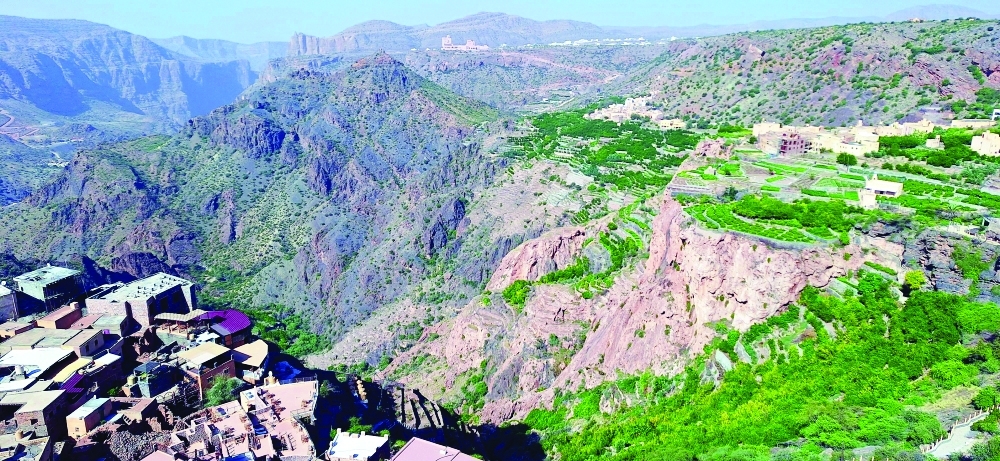
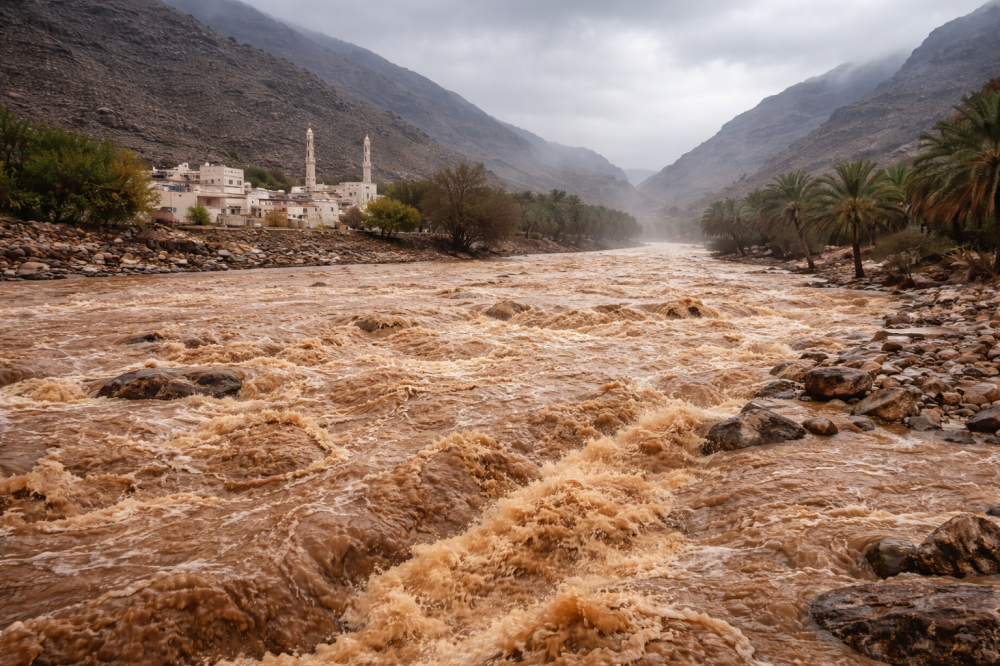
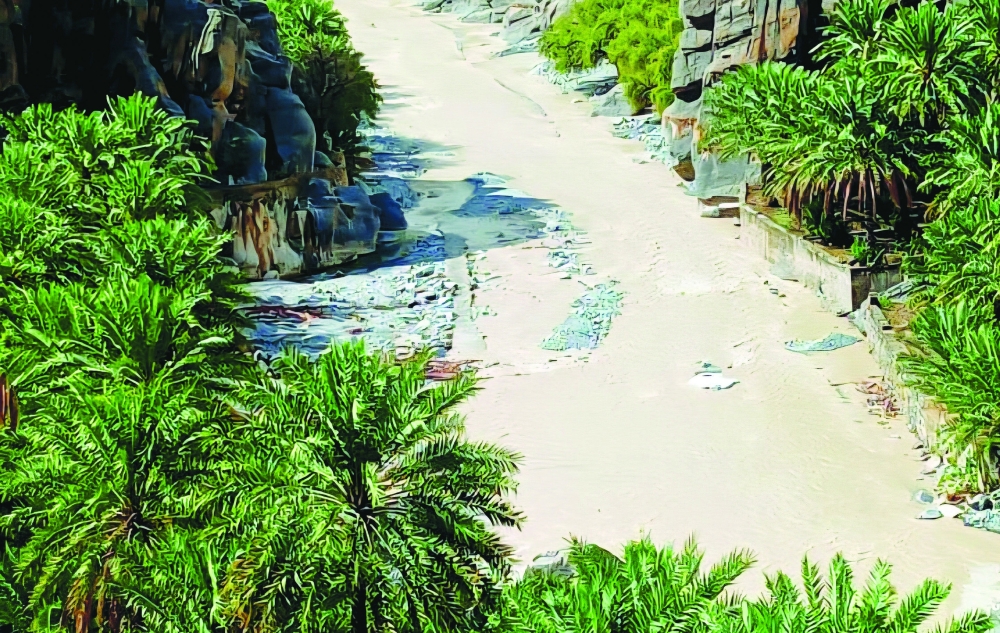
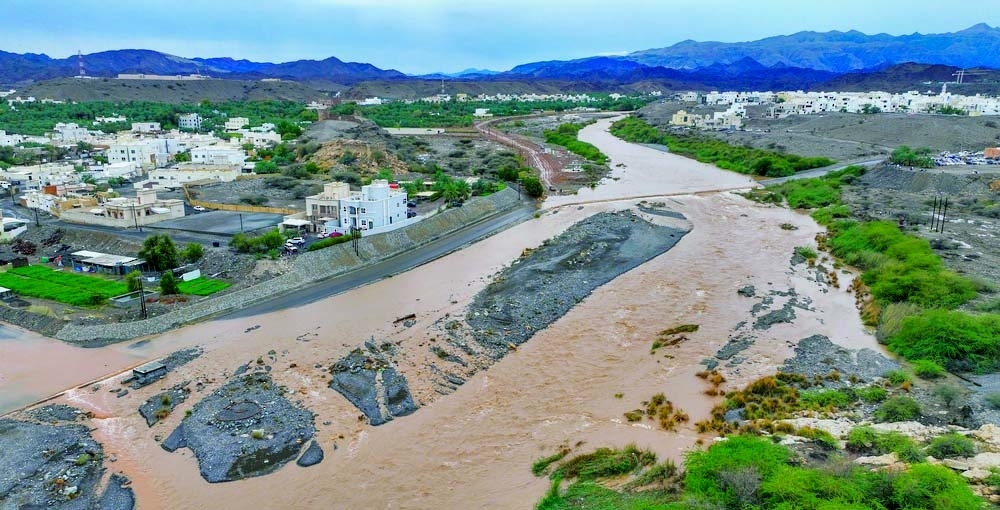
But cooling is only part of what these mountains do. They also generate rainfall. When moisture-laden winds collide with the steep slopes of the Al Hajar mountains, air is forced upward, where it cools, condenses, and forms clouds and precipitation. These rains feed wadis that carve through valleys and help recharge underground aquifers. Al Muathir describes these formations as natural reservoirs — an intricate, hidden water system shaped over millions of years.
This pattern is actively unfolding now. The Meteorology Department at the Civil Aviation Authority has reported early formation of cumulus clouds over the Al Hajar mountains, with a possibility of scattered rainfall, sometimes thundery and accompanied by active downdrafts. Low clouds and fog are also thickening over parts of Dhofar’s coastal areas and surrounding mountains, with light drizzle expected. On Sunday, rainfall was recorded in Samayil, Izki, along Al Dakhliyah road, and in the Wilayat of Al Rustaq—underscoring that Oman’s mountains are not just scenic backdrops, but active weather systems.
In Dhofar, the effect becomes even more dramatic. The southern escarpments of the Dhofar Highlands act as a barrier to monsoon winds arriving from the Arabian Sea. As these moisture-rich winds rise along the slopes, they cool and condense, producing the annual khareef season—a transformation that turns the hills into a lush, mist-covered green landscape attracting visitors from across the region each summer.
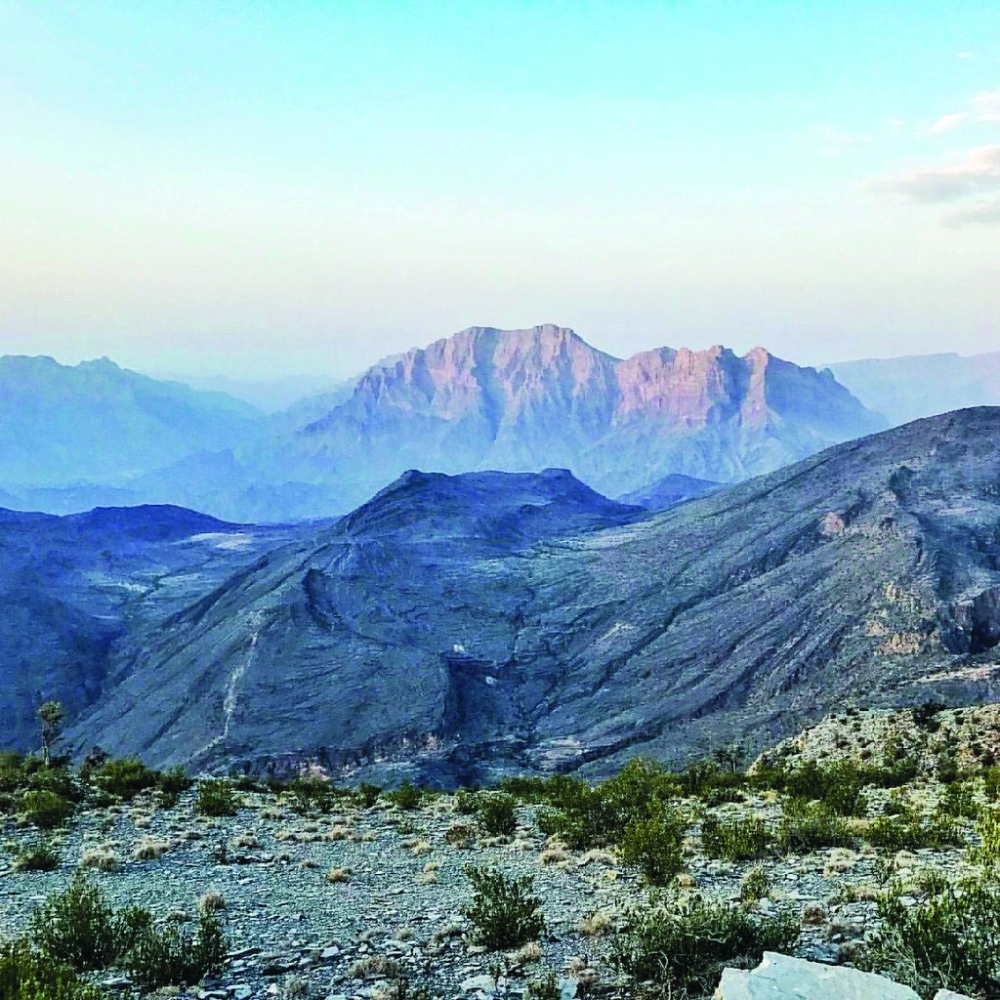
For those who travel to Al Jabal Al Akhdhar, the experience goes far beyond cooler air.
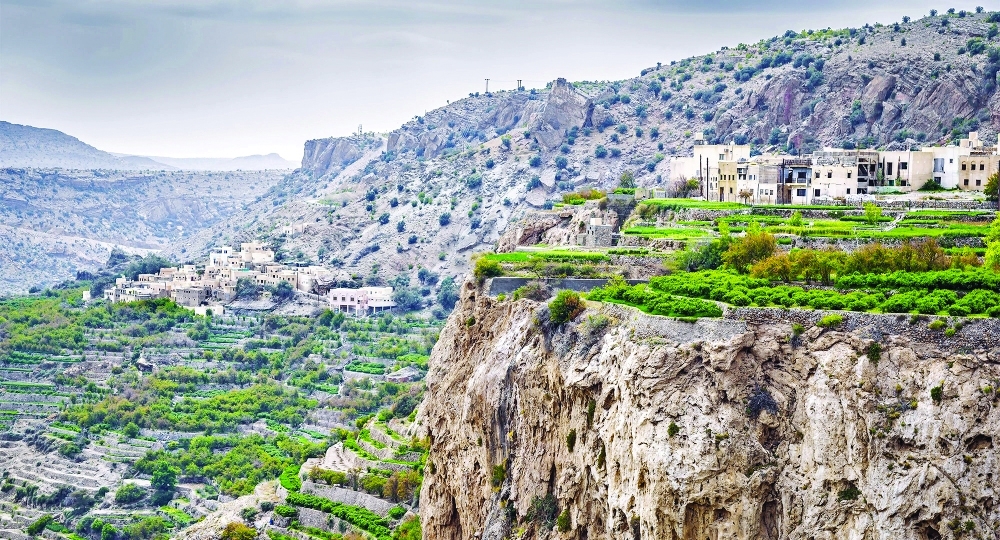
Local resident Hamda al Sa’adi describes terraced farms cascading down steep slopes, rose gardens and pomegranate orchards lining winding paths, and aflaj irrigation channels connecting villages. Life here, she says, is simple and closely tied to the land. The cooler climate enables crops such as apricots, peaches, figs, and apples — produce that cannot survive in the hotter lowlands.
Visitor Said al Sayyadi, who walked the 4.5-kilometre trail between Al Jabal Al Akhdhar villages, returned with more than just a memorable hike. For him, the experience revealed how Omanis do not merely inhabit their environment, but shape it in harmony with its rhythms. The cool air, sweeping views, and balance between heritage and modest development highlight how deeply geography influences culture.
Oman’s mountains, in the end, are far from passive backdrops. They regulate temperature, draw rain from passing winds, store water beneath the surface, and sustain the communities built along their slopes. Each summer, as heat settles over the lowlands, they offer something increasingly rare and valuable: natural, unhurried cool.
Oman Observer is now on the WhatsApp channel. Click here