




MUSCAT, JUNE 30
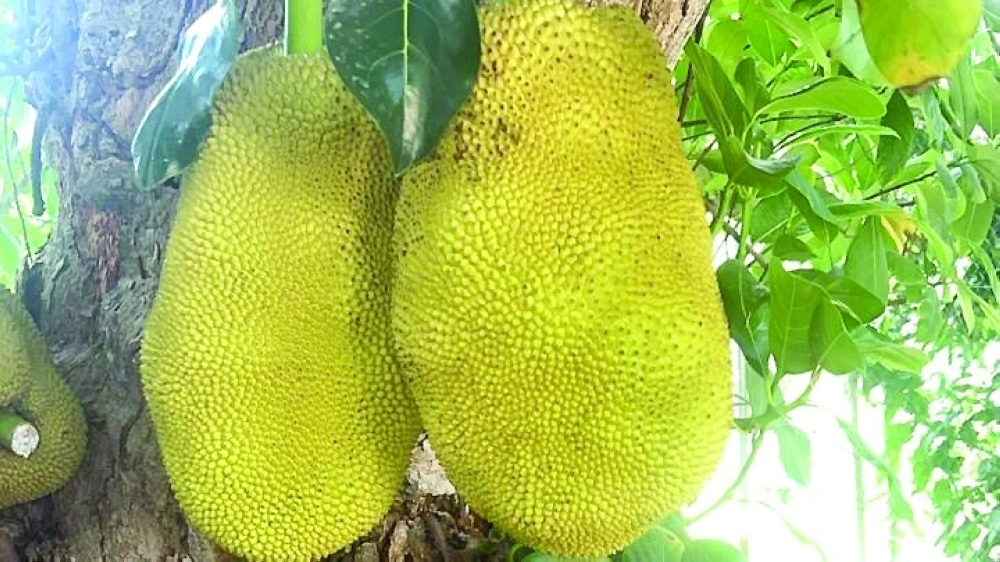
In the town of Afi, in the Wilayat of Wadi Al Maawil, beside Al Dabiyah Mosque, a tall jackfruit tree of (Al Fins) has stood for more than two centuries. It carries a deep piece of Omani history in its trunk and a flavour like no other in its fruit.
Hamad bin Bilarab al Maawali, a founding member of Hajrat Al Sheikh company, is clearly proud as he tells the tree’s story. He says it was brought from Zanzibar around 263 years ago by Sayyid Hamad bin Ahmed al Busaidy, nicknamed 'Al Samar.' At the time, it was the only tree of its kind in the Sultanate of Oman. In an earlier era, it was even used as the emblem of the wilayat, shown alongside Al Safalah fort as a symbol of the area.
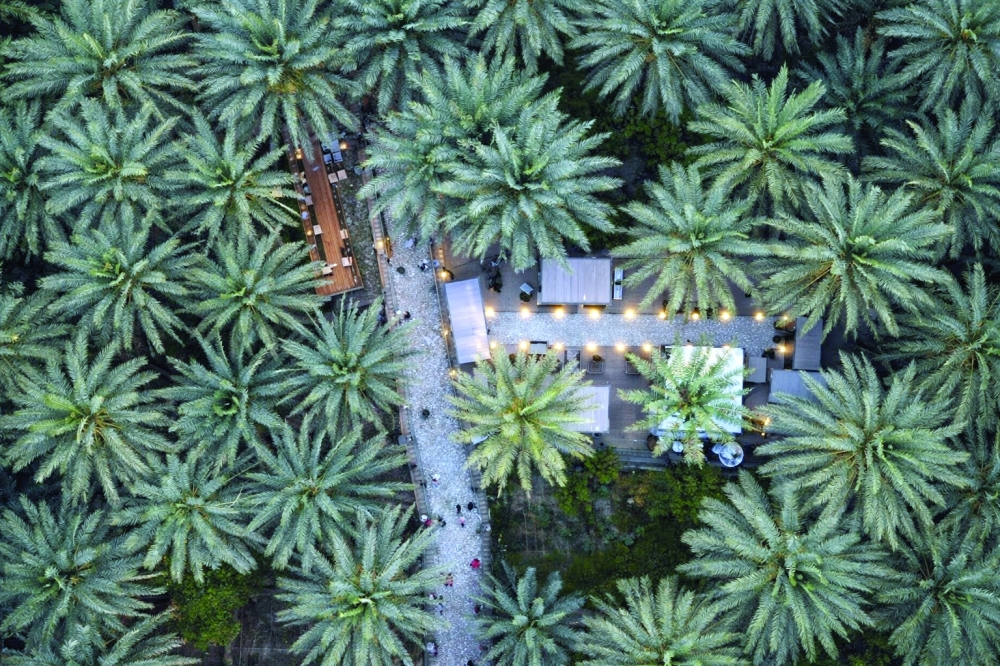
Al Maawali says the tree produces fruit reliably every year. It flowers each January, and its fruit is ready for harvest by June, with individual fruits weighing up to 14 kg. He describes it as having a sweet, fragrant blossom and fruit that tastes like honey, with pulp inside similar to a mango. An old saying captures this well: the fruit’s strong smell “betrays the thief” who tries to take it without permission, since its scent can be noticed from far away. The tree now stands beside the popular Hajrat Al Sheikh walkway, a popular tourist spot.
Content creator Majid al Rahbi explains the bigger picture behind this one tree. He says around the world, a single jackfruit can weigh up to 55 kg, though in Oman the fruit usually weighs between 5 and 15 kg. He says the tree has grown successfully in several wilayats, including Al Hamra, Wadi Al Maawil, Al Suwaiq, Saham and Suhar, showing how well it adapts to different parts of Oman’s climate.
Coastal wilayats such as Suhar are seeing more interest in growing and eating jackfruit, with farms there attracting large numbers of visitors during the summer season.
Oman Observer is now on the WhatsApp channel. Click here