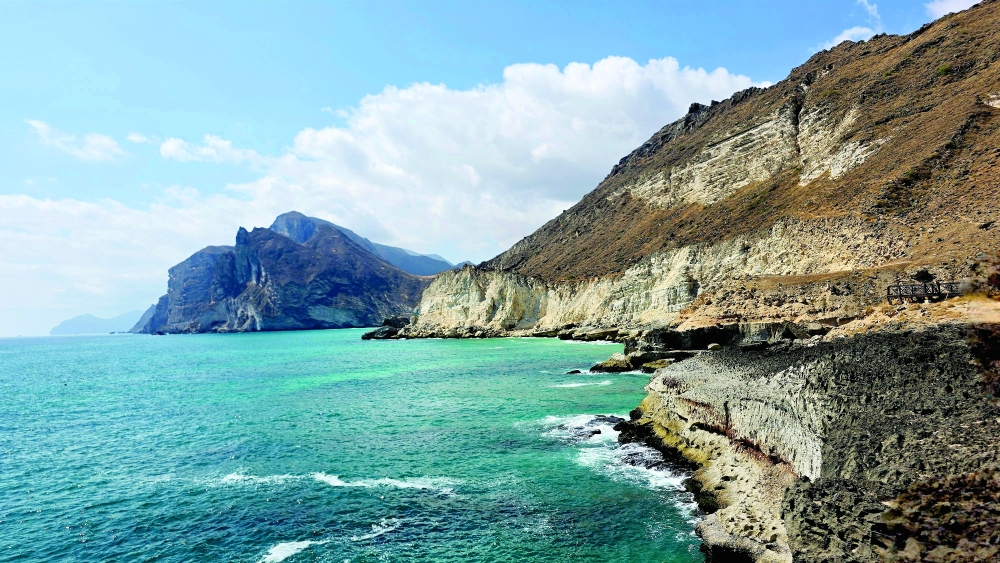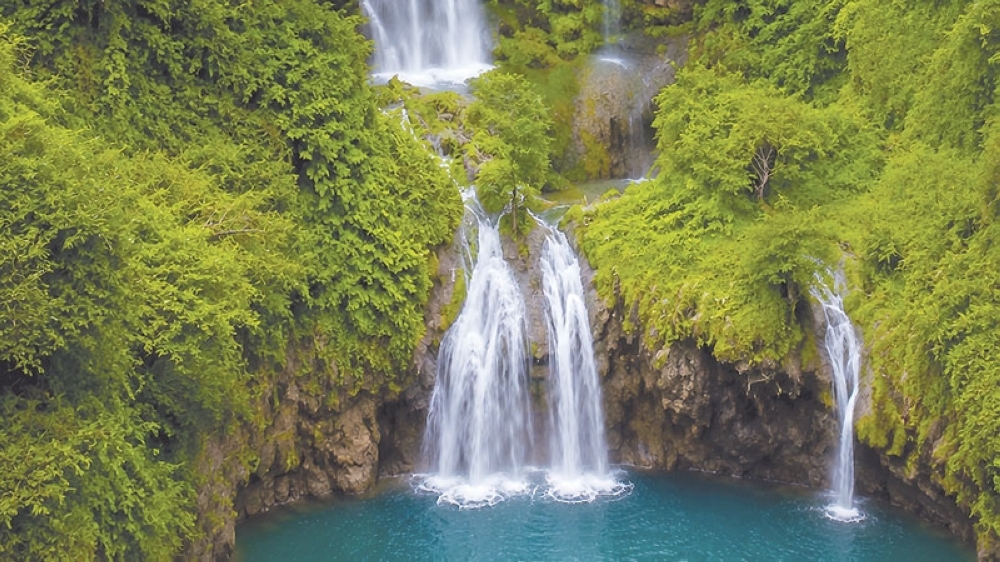





These baobabs stand like giant sentries, guarding a landscape transformed by the khareef.
As clouds roll across Dhofar’s mountains and the desert gives way to rolling green hills, visitors arrive annually to witness Oman’s dramatic seasonal transformation. Waterfalls gush from cliffs, valleys fill with mist and roadside viewpoints draw families and visitors chasing the cool weather.
Yet beyond the popular attractions lies one of Dhofar’s most extraordinary natural treasures: ancient baobab trees that seem almost impossible to find on the Arabian Peninsula.
Scattered across western Dhofar, around Wadi Hinna and the mountains near Dhalkout, these enormous trees are among the region’s most distinctive landmarks. With swollen trunks and skeletal branches reaching skywards, they appear to belong to another continent entirely.
In many ways, they do.
The baobab in Dhofar, Adansonia digitata, is native to Africa. Scientists have long been fascinated by how it arrived in southern Arabia. The answer remains debated, but researchers believe the trees may have reached Oman through ancient ties with East Africa, perhaps aided by maritime trade across the Arabian Sea. Others point to birds, ocean currents or ancient climatic connections.
Whatever the route, Dhofar is among the few places beyond mainland Africa where these trees occur naturally, making them an important part of Oman’s environmental heritage.
For visitors, though, science often takes a back seat to spectacle.
During Khareef Dhofar Season, baobabs rise from a landscape draped in fog. Their massive trunks glisten with moisture as green hills stretch into the distance. The contrast is striking: one moment, you feel as though you are travelling through Arabia; the next, the scenery evokes parts of East Africa.
It is little wonder that travellers describe them as among Oman’s most unexpected and memorable sights. Emerging through the mist, baobabs are often remembered as a defining moment of a Salalah road trip.
The fascination extends beyond appearance. Often called the “Tree of Life”, baobabs store vast amounts of water in their trunks, helping them survive prolonged droughts. Across Africa, communities have long used their fruit, leaves and bark for food, medicine and shelter.
They are also ecological powerhouses. Their flowers feed pollinators, while branches and cavities provide habitats for birds, insects and other wildlife. In many ecosystems, baobabs play a crucial role in supporting biodiversity.
Perhaps most remarkable is their age.
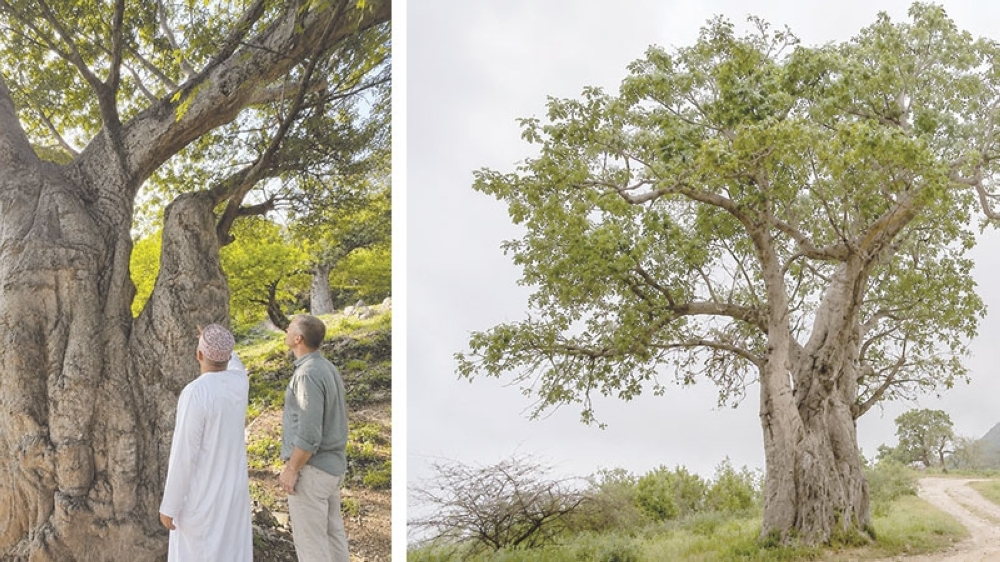
Recent studies of the famed solitary baobab in Dhalkout found that sections of the tree are around 800 years old. Researchers discovered that the giant consists of multiple fused stems, grown together over centuries to form the vast structure visible today.
To stand beneath such a tree is to stand before living history.
Long before modern roads connected Dhofar’s towns and villages, before international tourists discovered khareef, and before many of the region’s settlements took their present form, these trees were already rooted in the landscape.
Yet their future is not guaranteed. Across Africa, scientists are studying the decline of some ancient baobabs, linked to climate change, prolonged droughts and habitat degradation. Dhofar’s baobabs continue to endure, but protecting the ecosystems that sustain them remains vital.
The cloud forests, woodlands and seasonal grasslands of southern Oman are among the Arabian Peninsula’s most distinctive and fragile environments. Protecting them means safeguarding not only baobabs, but also the species and natural processes that depend on them.
For travellers planning a khareef escape, waterfalls and mountain viewpoints will always deserve a place on the itinerary. But there is something different about a baobab.
A waterfall impresses. A mountain inspires. A baobab invites reflection.
Standing beneath one as mist drifts through its branches, it is impossible not to think about the centuries it has witnessed. These ancient giants have watched countless Khareef Dhofar Seasons come and go, standing quietly through changing climates, shifting landscapes and generations.
In a season filled with natural wonders, they remain among Dhofar’s most enduring symbols. Perhaps that is why no khareef journey feels truly complete without seeking them out.
Oman Observer is now on the WhatsApp channel. Click here