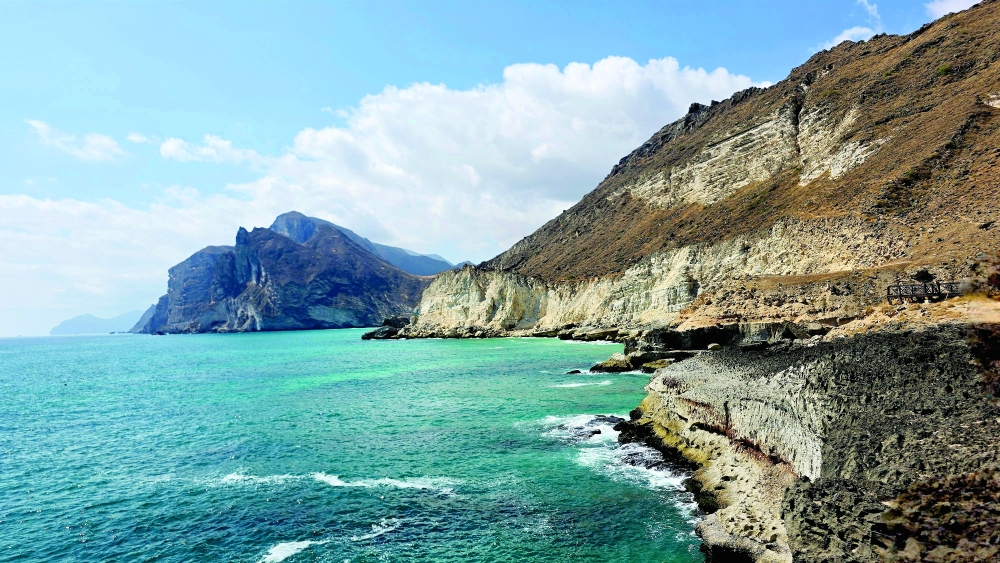





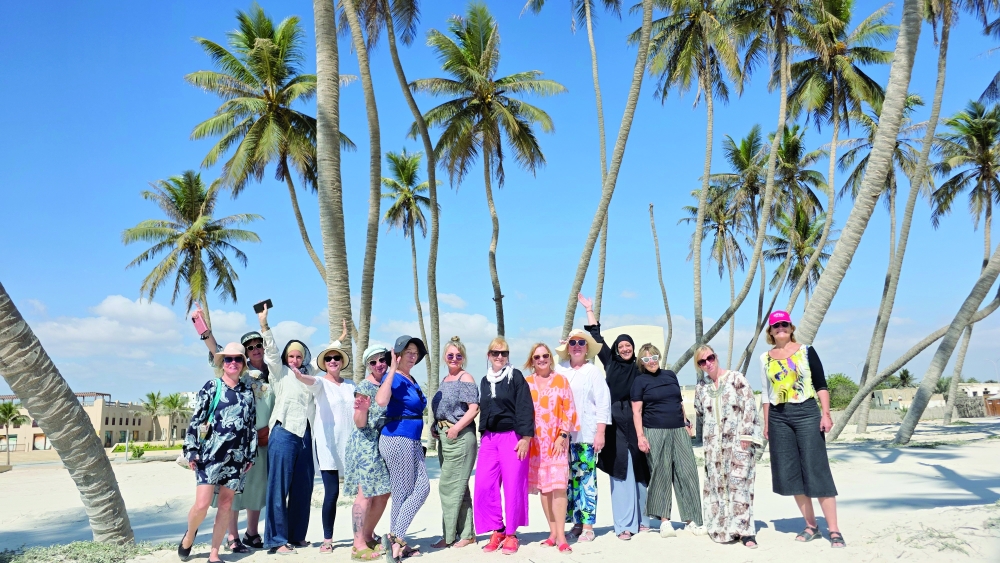
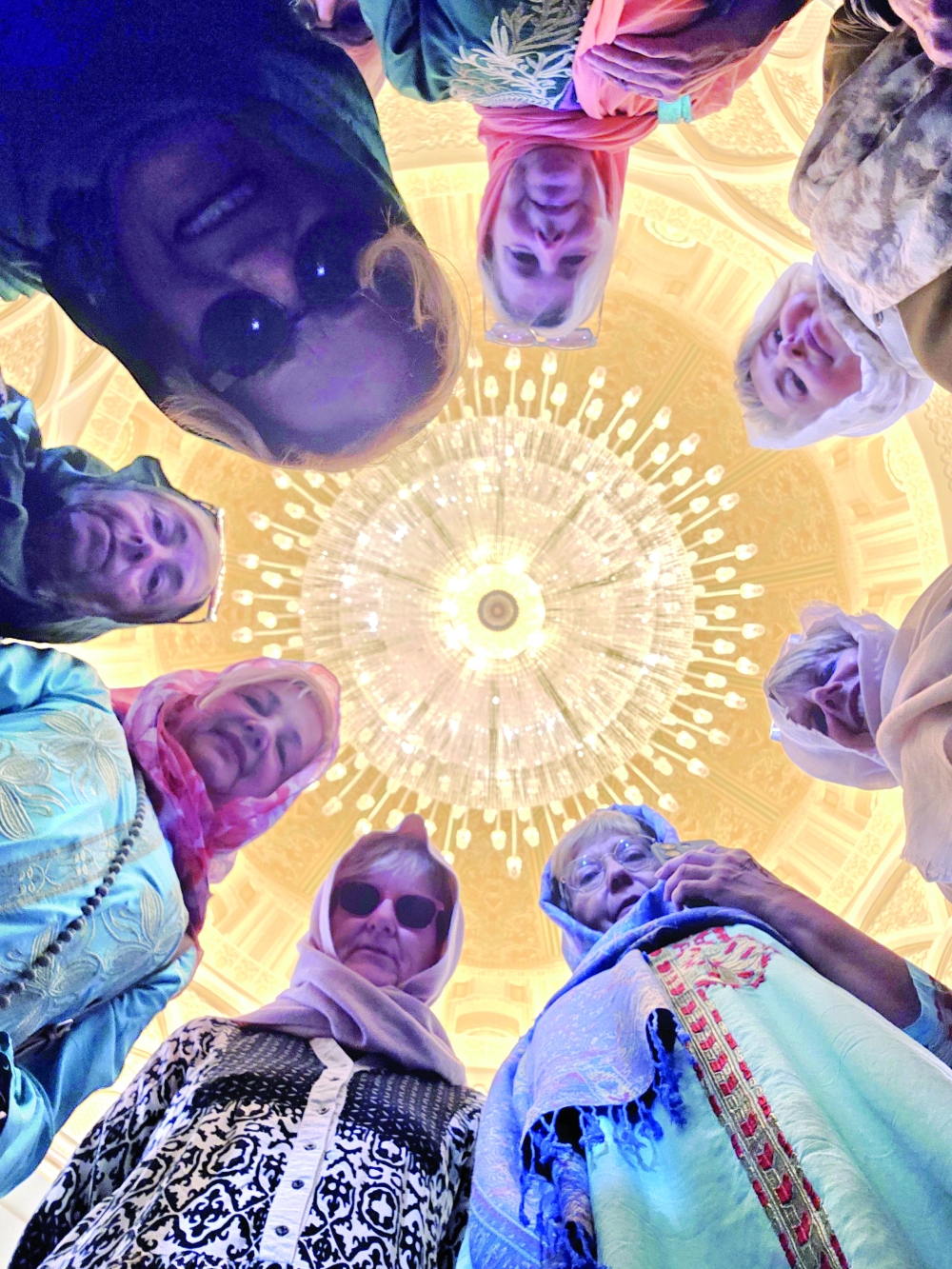
In the coastal town of Taqah, where stone houses overlook the Arabian Sea and the scent of frankincense drifts through the air, 11 European women began a journey that reached far beyond tourism.
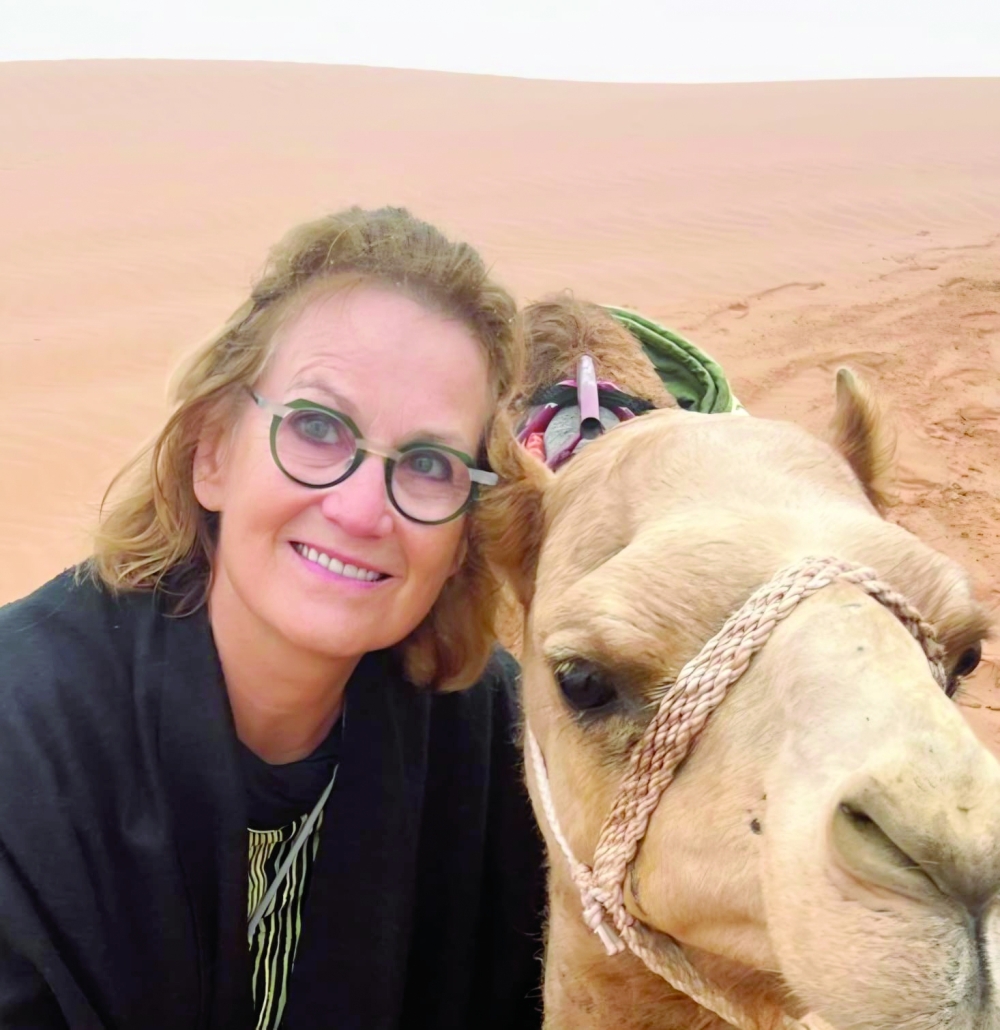
From January 10 to 16, the women from Germany, Austria and Switzerland travelled across Dhofar on a women-only tour led by German organiser Monika Sommer. It was the first such trip she has guided in southern Oman, expanding an initiative she previously ran around Muscat.
“Until now, I had organised women’s trips only in the Muscat area. It made sense to also offer a journey to the south to show the country’s diversity”, Monika said. “The idea is to break down prejudices and get to know other ways of life, all in beautiful surroundings”.
Monika Sommer, Elisabeth Absenger and Sabine Cunningham-Blinn took turns behind the wheel during the journey. As an expert on Salalah, Sabine also a floral designer, has been central to organising the programme and led the women’s tour. “Many women want to travel but feel safer in a small group”, she explains. “Especially in countries that are not yet well known, they seek genuine insights — into culture, daily life and traditions”.
The group’s base in the Wilayat of Taqah, Dhofar Governorate, was 150-year-old heritage Koofan House, a restored heritage guesthouse often described as a living museum. Evenings were spent sharing regional dishes such as fresh fish and slow-cooked shuwa, while days unfolded across wadis, mountains and coastline. Royal King Travel Management Company managed logistics and ground arrangements.
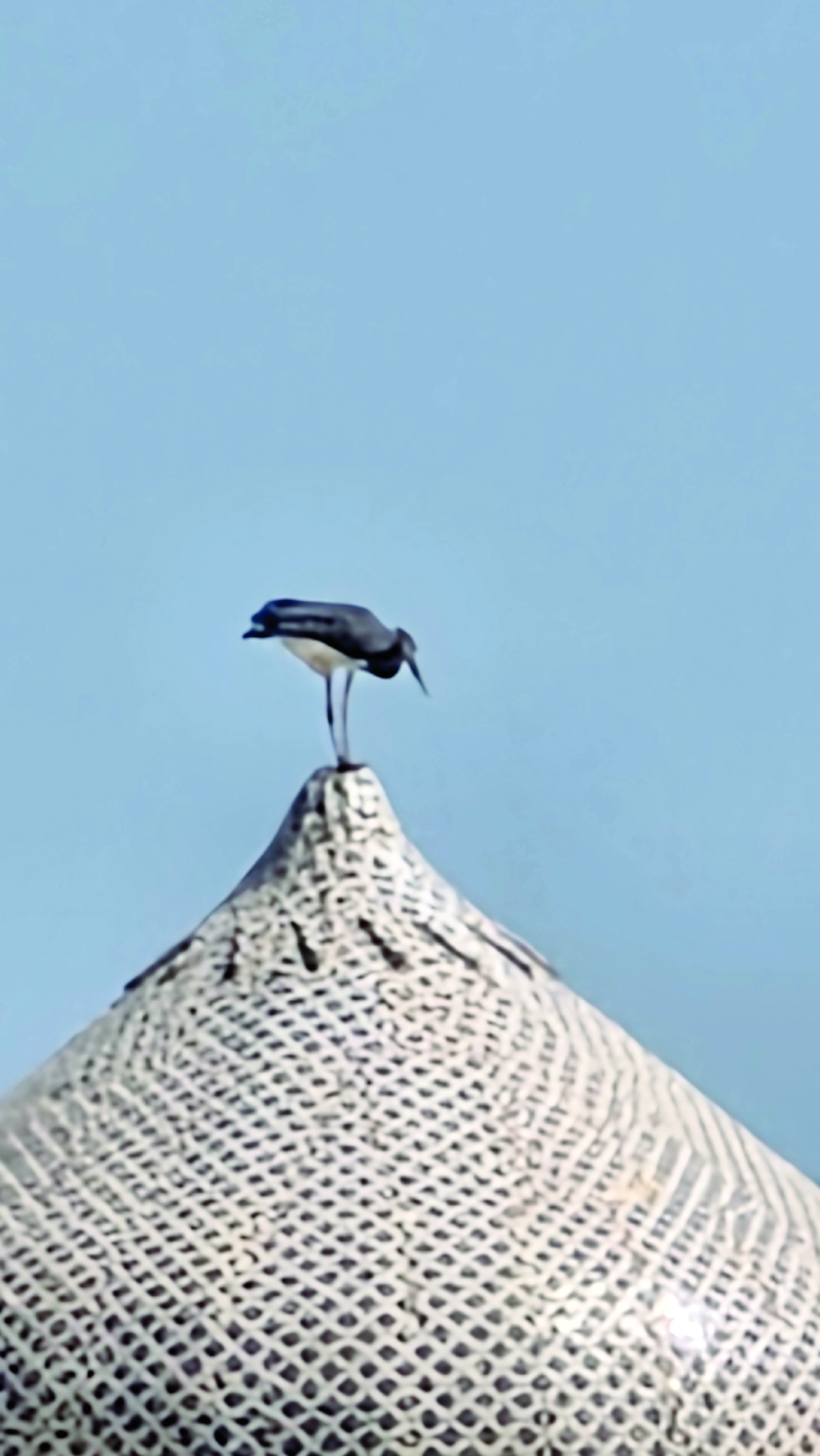
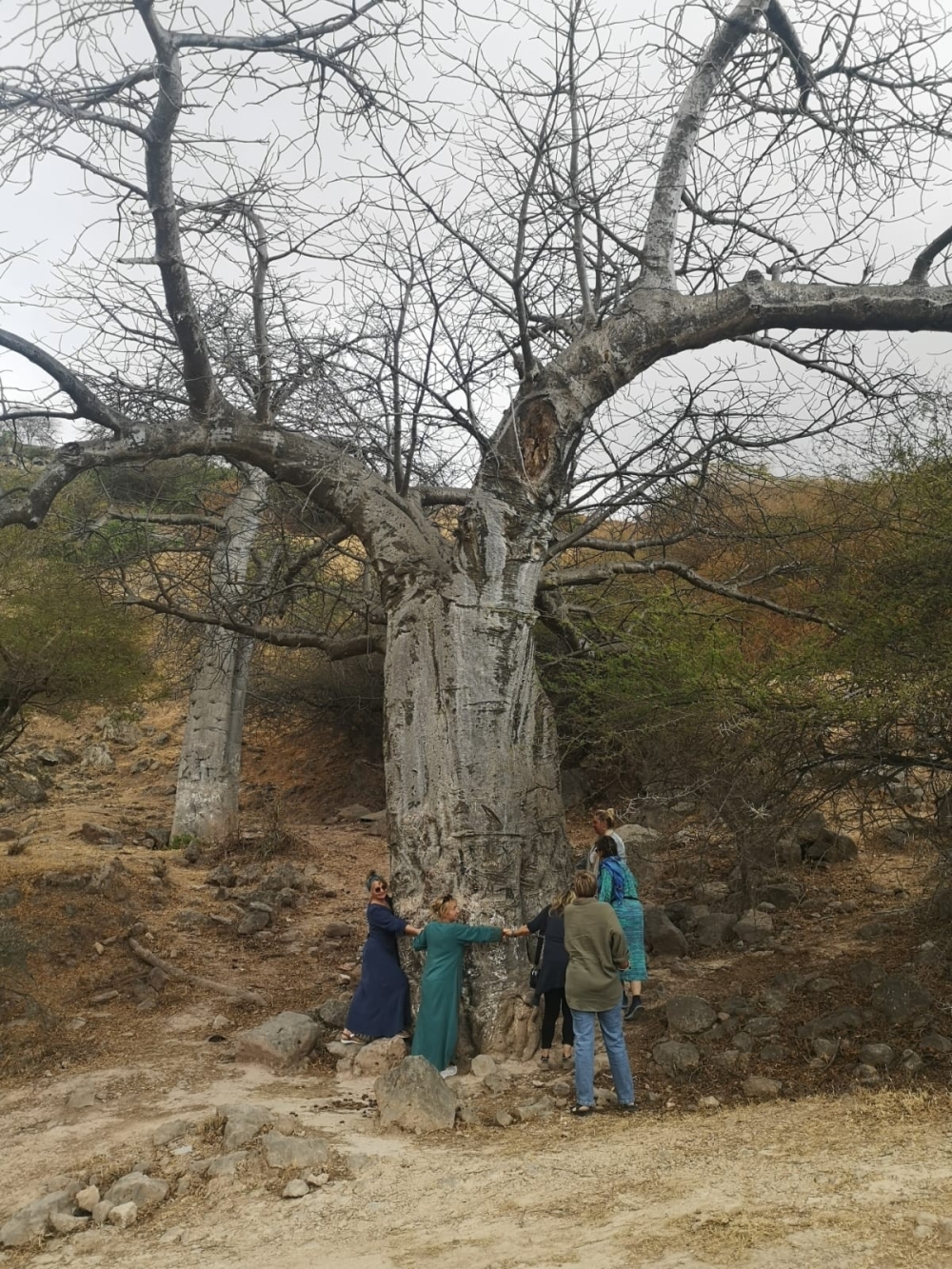
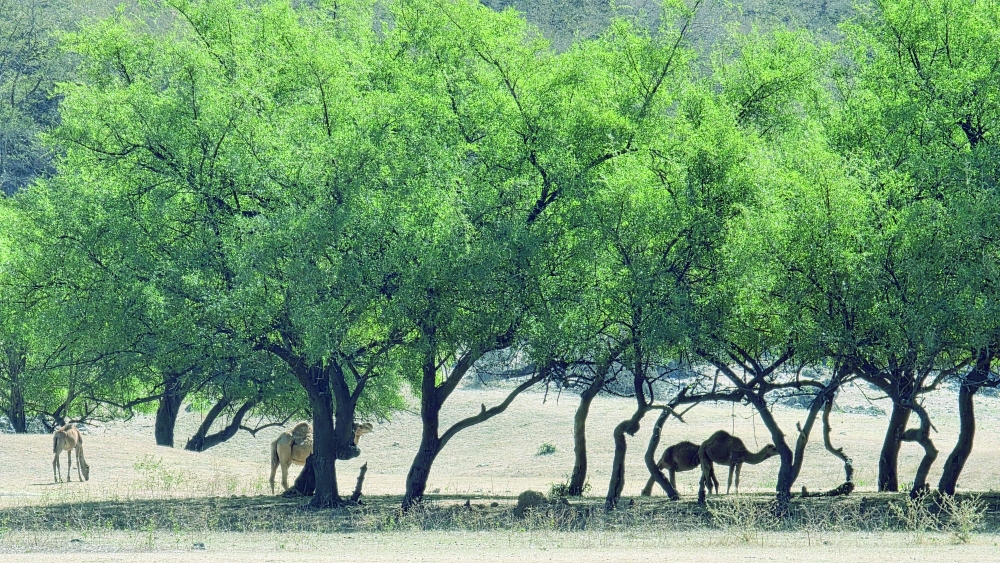
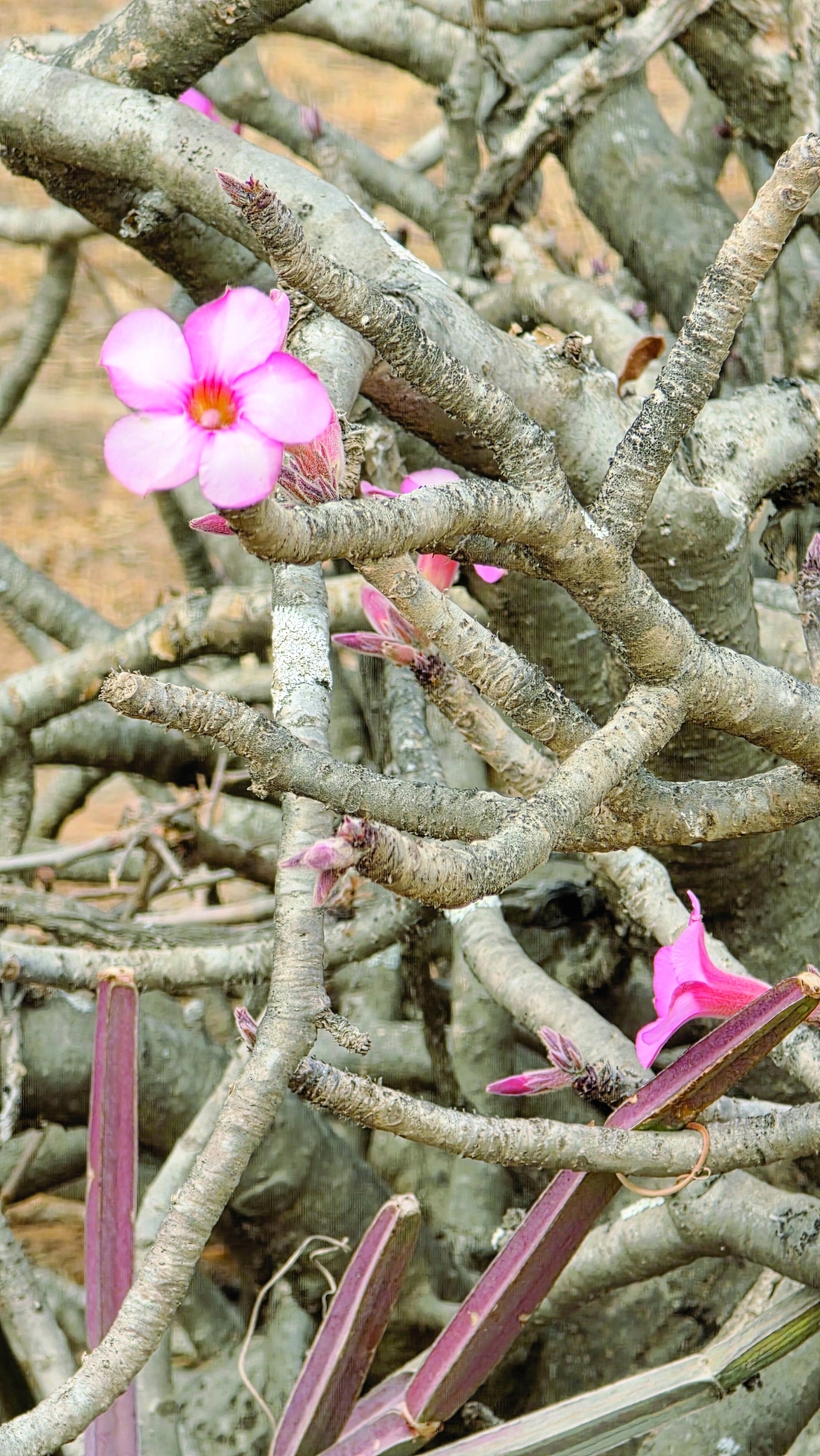
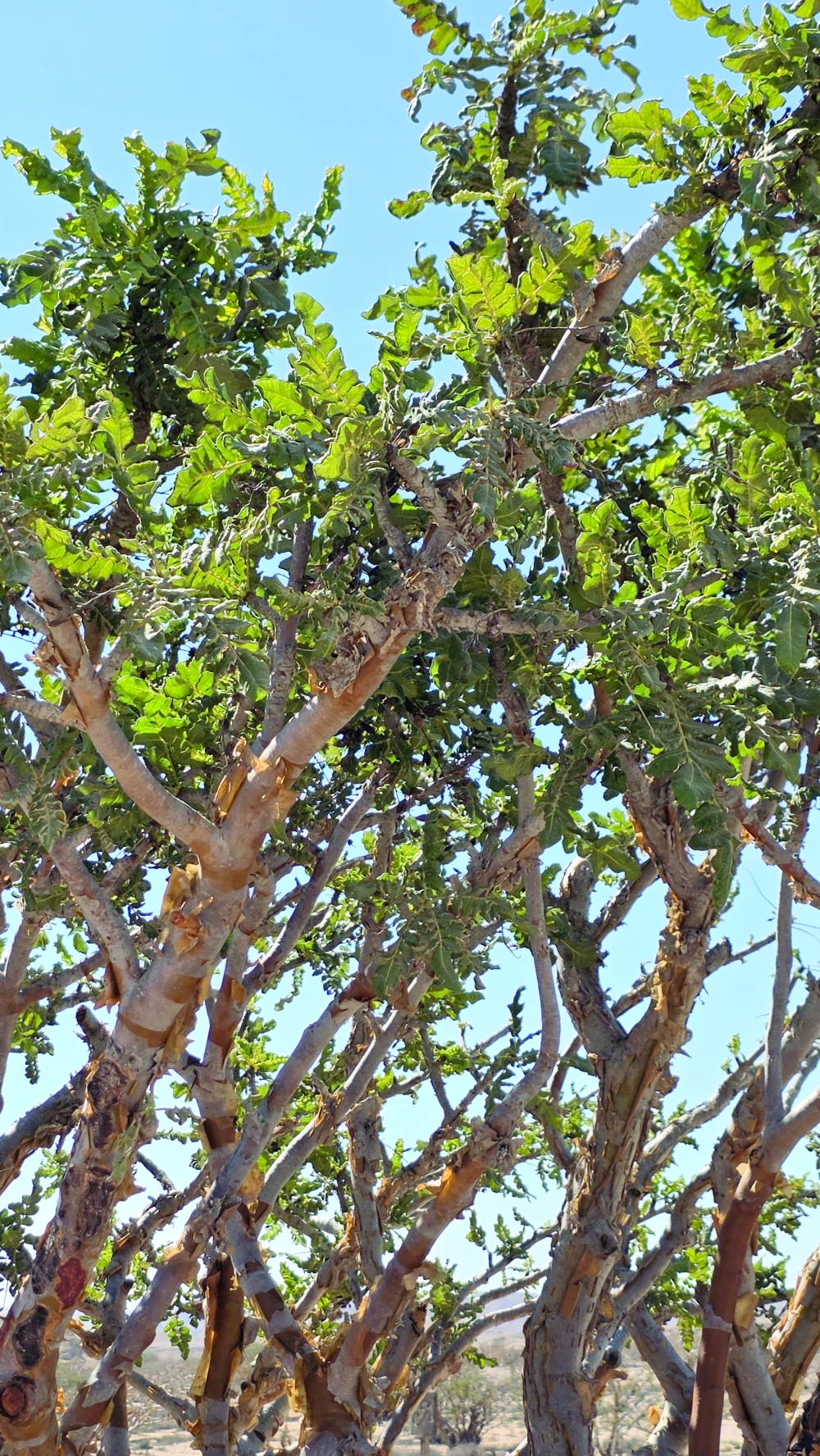
The travellers explored Wadi Darbat, Jabal Samhan and Ain Hasheer, encountered ancient baobab trees and observed Abdim’s storks near the Wilayat of Mirbat. They also traced Oman’s frankincense heritage at Wadi Dawkah, the Unesco-listed reserve of Boswellia sacra trees that once linked Dhofar to global trade routes.
Yet for Monika, the most meaningful moments were personal encounters. “In my opinion, the encounters had the biggest impact”, she said. “For some, it was their first visit to a Muslim country. The strong sense of tradition was particularly impressive”.
A highlight came at the Taqah Women’s Association, where Omani women demonstrated bread baking, milk heating techniques, henna art and traditional dance.
“We were ready to show respect and maintain a respectful distance; and we encountered Omani women who expressed great interest in us and our way of life”, Monika said. “Many of the prejudices that still exist in Europe about Arab women were dispelled”.
Participants said the women-only setting encouraged open dialogue. Dorothea Hennessen, a German editor, noted that discussions on women’s roles, family, religion and politics flowed naturally. “These conversations would never have taken place in a mixed group”, she said.
Biologist Anke Kleemann described the journey as a long-held dream. “Travelling to the land of sacred incense has always been my dream. The landscapes and contact with locals were enriching”, she said.
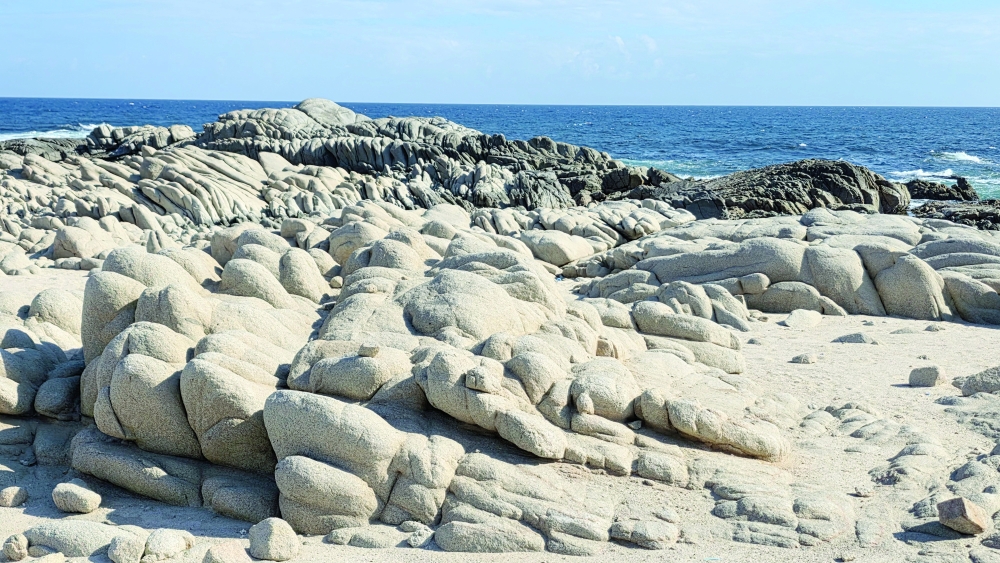
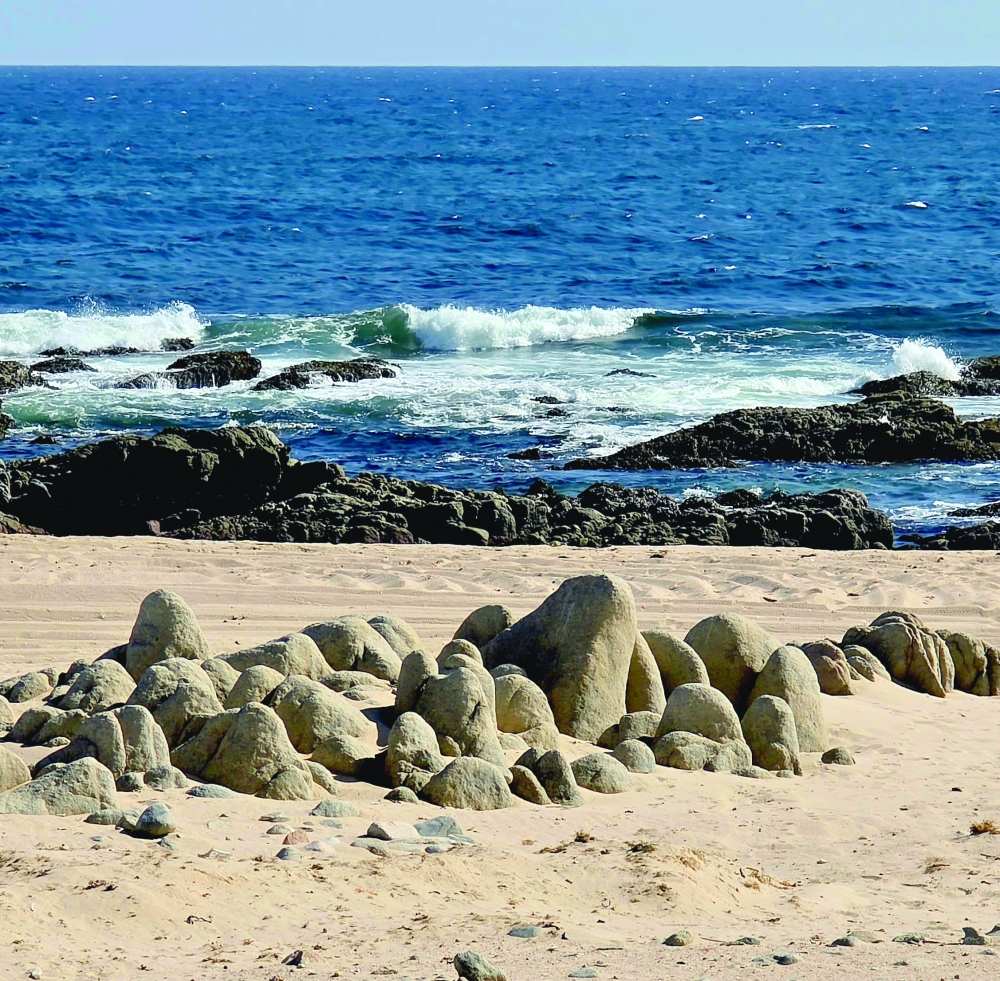
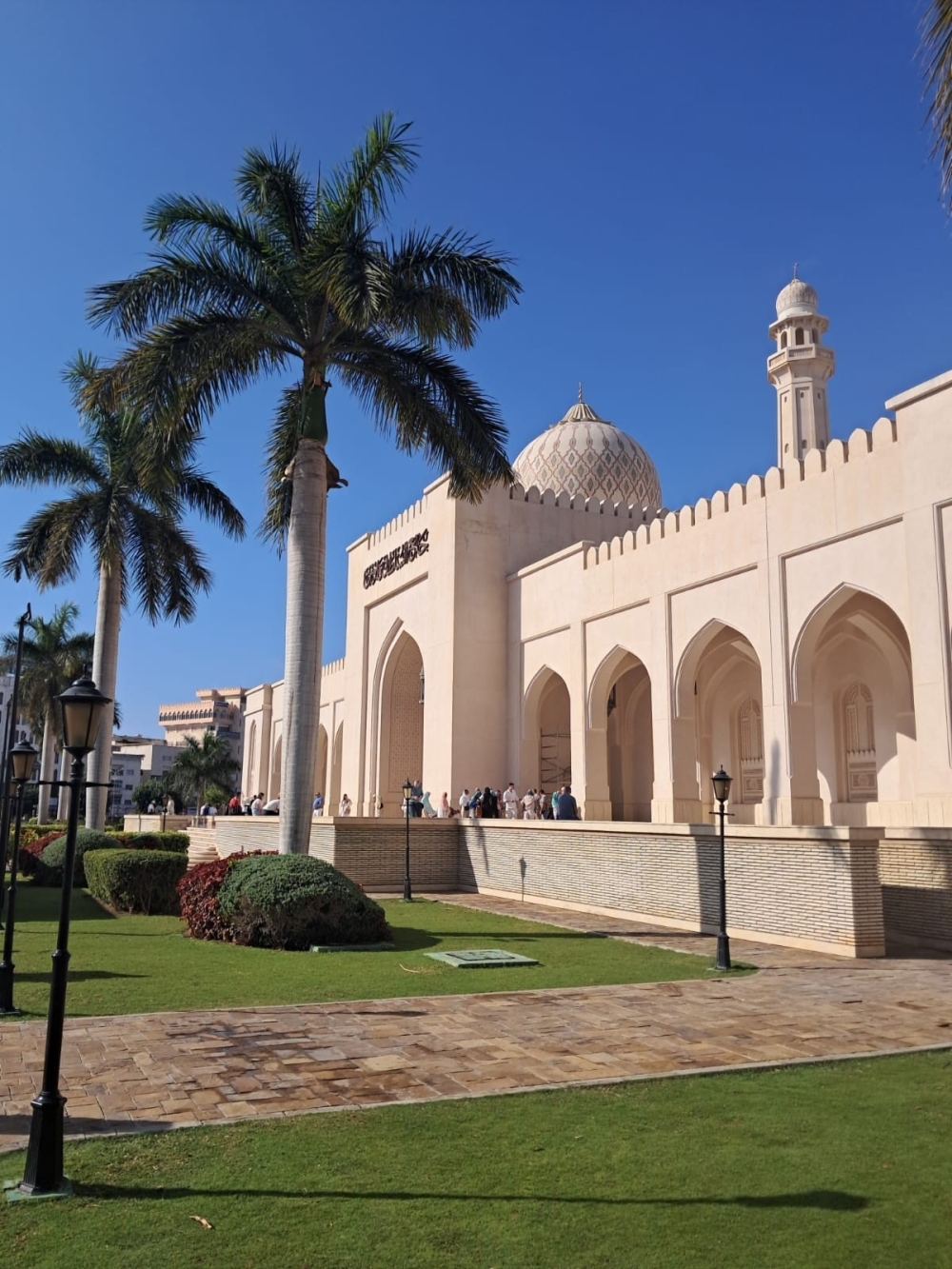
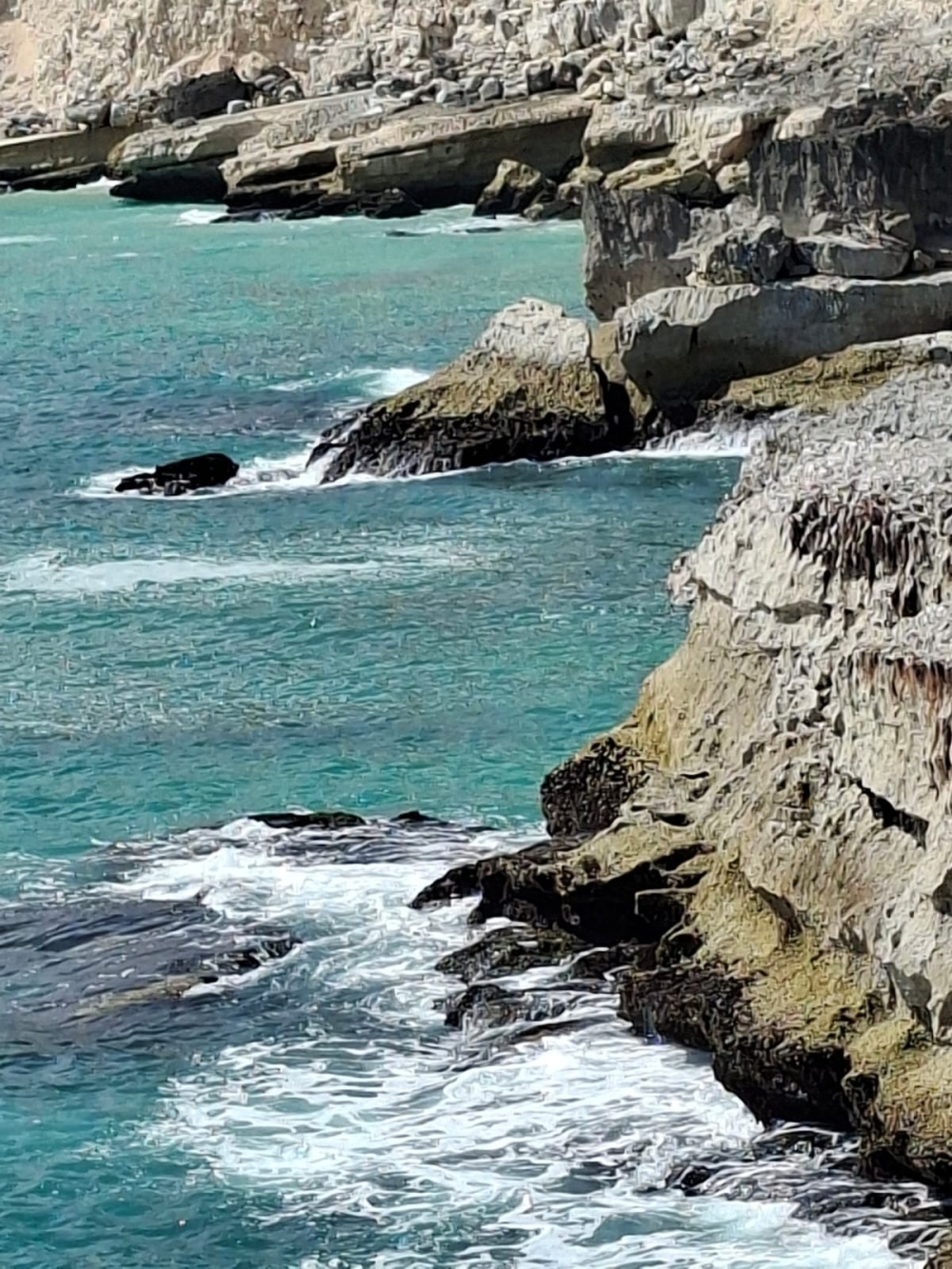
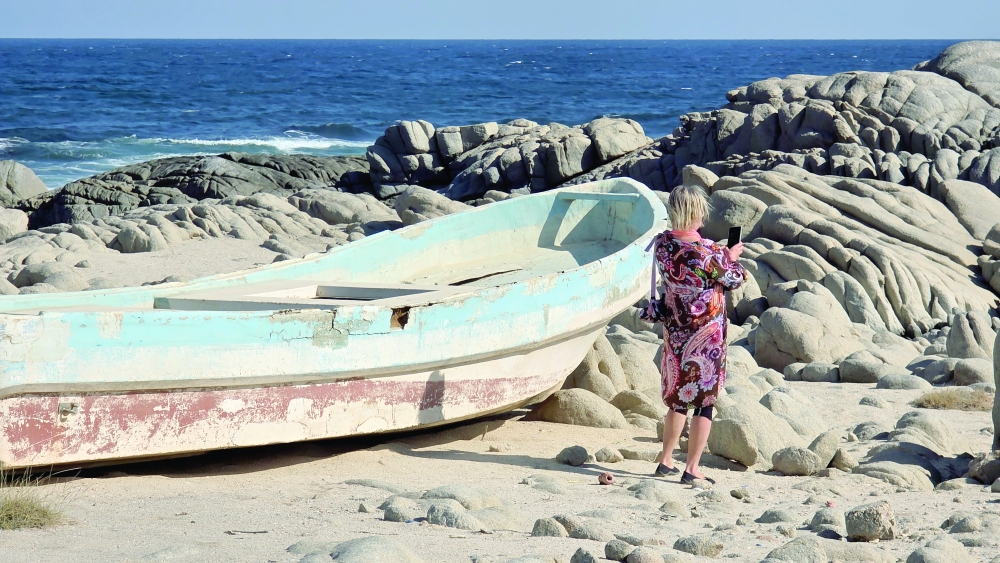
The second half of the tour shifted to Salalah and the western coast, including visits to Al Haffa Souq, the Museum of the Frankincense Land, Al Mughsail and the remote beaches of Fazayah. Although the dry season meant waterfalls were absent in Wadi Darbat, expectations had been clear.
“We had not promised waterfalls”, Monika said. “The important thing was that we stuck to the programme”.
Looking ahead, she plans more small-group women-only tours in Oman. “I hope women realise they can fulfil their travel dreams independently”, she said. “We should recognise differences, but not judge them”.
Oman Observer is now on the WhatsApp channel. Click here