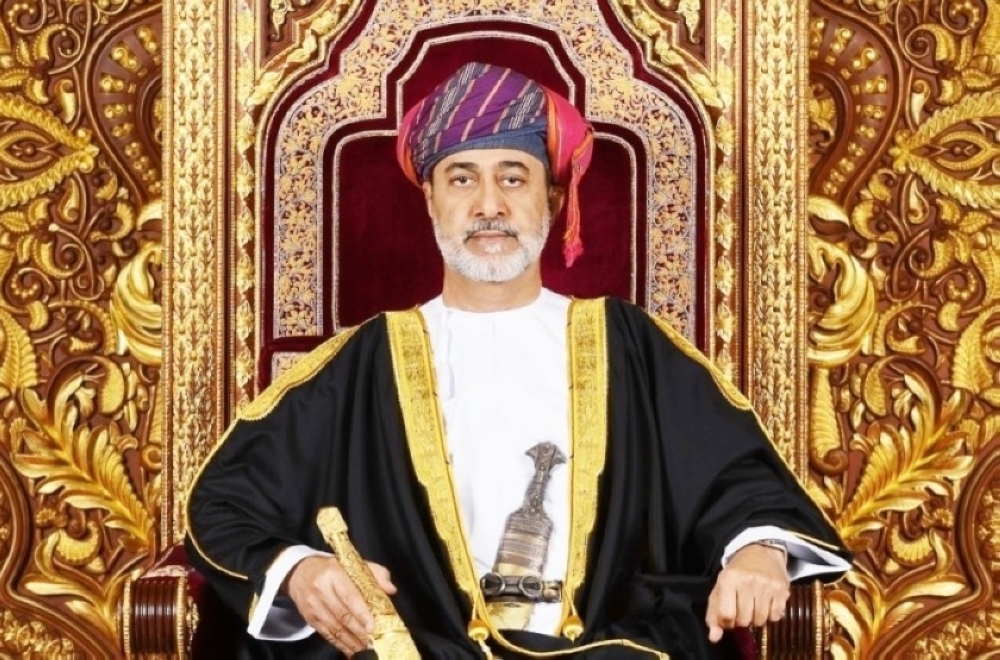





Muscat: In line with the Royal Directives of His Majesty Sultan Haitham bin Tarik to enhance the efficiency of government and financial services, improve the business environment, advance digital transformation and stimulate economic growth, the Central Bank of Oman (CBO) has announced the implementation of comprehensive reforms to National Payment Systems fees.
The reforms include waiving fees on local digital fund transfers conducted through Oman’s National Payment Systems for retail customers and small and medium-sized enterprises (SMEs).
The reform covers transfers made through the Real-Time Gross Settlement System (RTGS), Automated Clearing House (ACH), and the Instant Payment System (MPCSS), when conducted through digital banking and payment channels, including e-wallets.
The revised measures will take effect from July 1, 2026.
CBO said the initiative reflects its strategic approach to making digital payments more affordable, accessible and widely used across the Sultanate of Oman, while supporting the national transition towards a less-cash and less-cheque economy.
As part of its ongoing efforts to enhance digital payment adoption and strengthen the efficiency of the national payments ecosystem, CBO has introduced significant reductions in fees and customer charges related to digital payments and fund transfers offered by licensed banks and Payment Service Providers (PSPs).
The decision is designed to remove cost barriers for individuals and SMEs, encourage greater use of secure digital channels, and support a modern, inclusive and efficient financial sector.
Following consultations with ecosystem stakeholders, and based on CBO’s assessment of the higher operational and logistical costs associated with cash and cheque transactions, the Central Bank has directed licensed banks and PSPs to apply zero charges on local digital transfers for retail customers and SMEs.
The move encourages customers to shift from paper-based and branch-based transactions to faster, more convenient and more efficient digital payment channels. It also supports banks and PSPs in reducing branch workload, lowering cash-handling costs and achieving operational efficiencies over time.
Retail customers and SMEs will benefit from free RTGS and ACH transfers across all channels. This is expected to reduce the cost of digital fund transfers, enhance operational efficiency for SMEs and encourage wider adoption of electronic payment channels.
Person-to-Person (P2P) payments through the Instant Payment System (MPCSS), whether made using a mobile number or alias, will remain free of charge for all customers. This will apply regardless of whether the beneficiary is with the same bank, another bank or a Payment Service Provider.
For private sector employers operating under the Ministry of Labour’s Wage Protection System (WPS), fees have also been simplified. Employers may be charged up to OMR 1 per month for processing salary payment files, regardless of the number of employees, number of salary files or beneficiary banks. The measure is aimed at reducing the administrative burden on businesses and supporting timely digital salary payments.
In support of micro-businesses, small merchants and retailers, CBO has reduced the maximum Merchant Service Fee (MSF) for QR-code-based “Scan and Pay” Person-to-Merchant (P2M) transactions from 0.75 per cent to 0.50 per cent of the transaction value, with a maximum cap of OMR 2 per transaction.
The reduction is expected to lower payment acceptance costs for merchants, encourage wider adoption of QR payments and support SMEs in offering customers simple, low-cost and secure digital payment options.
The reform builds on a broader set of CBO initiatives aimed at strengthening Oman’s national payments infrastructure. These include the continuous development of the National Payment Systems and the launch of the Maal domestic card scheme.
Under Maal, several scheme-related fees, including issuance, annual and certification fees, have already been waived to support market readiness and encourage domestic payment adoption. Maal also offers competitive merchant service fees compared with other card schemes, with reductions of nearly 50 per cent, helping merchants reduce payment acceptance costs while promoting wider use of domestic digital payment solutions.
CBO has also introduced and enhanced Direct Debit and E-Mandate services as secure and efficient alternatives to cheque-based and recurring payments. These services support businesses, financial institutions and customers through automated and trusted digital payment arrangements, and are provided free of charge to customers to encourage wider adoption.
Together, these initiatives are expected to improve cost efficiency for banks and PSPs, strengthen domestic payment capabilities and enhance the resilience of Oman’s digital payment ecosystem.
The regional connectivity framework also includes AFAQ for cross-border transfers and payments, and GCCNet for card payments across the GCC.
CBO said it will continue to work closely with licensed banks, PSPs and relevant stakeholders to ensure effective implementation of the revised fees and charges. It will also monitor digital payment adoption throughout 2026 to assess the impact of these reforms on customer behaviour, cash usage, cheque dependency and overall payment service efficiency.
Based on observed adoption trends, CBO may consider further measures to support the national transition towards digital payments.
The Central Bank has also advised all banks and PSPs to launch comprehensive awareness campaigns across print, electronic and social media platforms to ensure that customers are fully informed of the revised charges and the benefits of using digital payment channels.
The initiative reinforces CBO’s commitment to building a modern, resilient, inclusive and future-ready digital payment ecosystem that supports digital transformation, Oman’s economic development and the objectives of Oman Vision 2040.
His Excellency Ahmed Al Musalmi, Governor of the Central Bank of Oman, said: “This decision marks an important milestone in CBO’s efforts to make digital payments the preferred mode of financial transactions in the Sultanate of Oman. By removing cost barriers for retail customers and SMEs, we are encouraging wider adoption of secure, efficient, and accessible digital payment solutions.
“CBO remains committed to strengthening the national payment ecosystem, supporting financial inclusion, enabling innovation, and ensuring that digital payments deliver tangible value to individuals, businesses, banks, PSPs, and the wider economy.”
Oman Observer is now on the WhatsApp channel. Click here