




MUSCAT, JUNE 1
The Sultanate of Oman is emerging as one of the Gulf region's most strategically positioned destinations for investment as businesses and investors reassess supply chains, trade routes and capital allocation in response to recent geopolitical tensions, speakers at the Muscat Leadership Dialogue said.
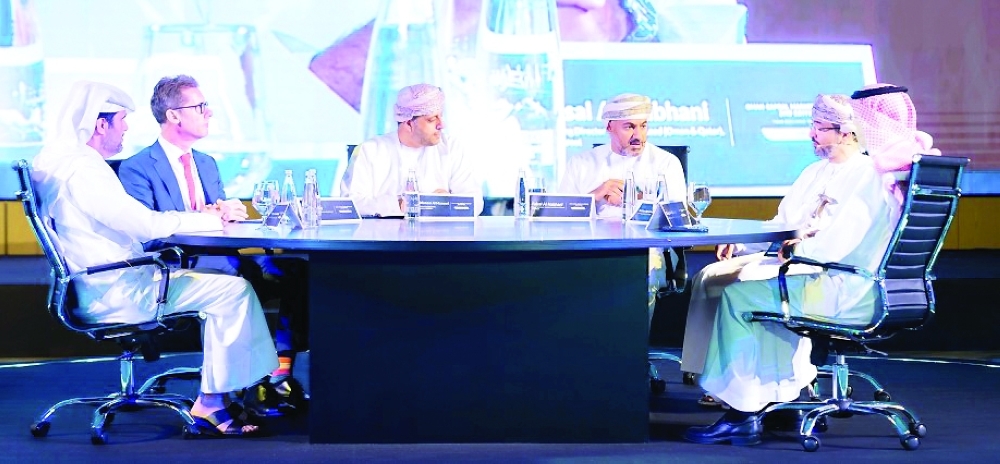
During a panel discussion at the 2nd Oman Capital Market Conference, regional business leaders, investors and financial executives highlighted how recent instability in the region is reshaping investment priorities, creating opportunities in infrastructure, logistics, defence, private credit and capital markets.
Panellists noted that investors are increasingly focusing on resilience and preparedness, with capital expected to flow into sectors that strengthen supply chains, transportation networks and critical infrastructure.
One senior investment executive said clients are already repositioning portfolios in anticipation of major investment opportunities emerging from these trends.
"We are seeing capital reshoring from abroad back into the region", he said, noting that investors are preparing for increased spending on infrastructure, defence and alternative trade routes.
According to the discussion, recent disruptions have reinforced the need to reduce dependence on single transport corridors. Panellists pointed out that countries heavily reliant on the Strait of Hormuz experienced significant risks to energy exports and the movement of essential goods during periods of heightened tension.
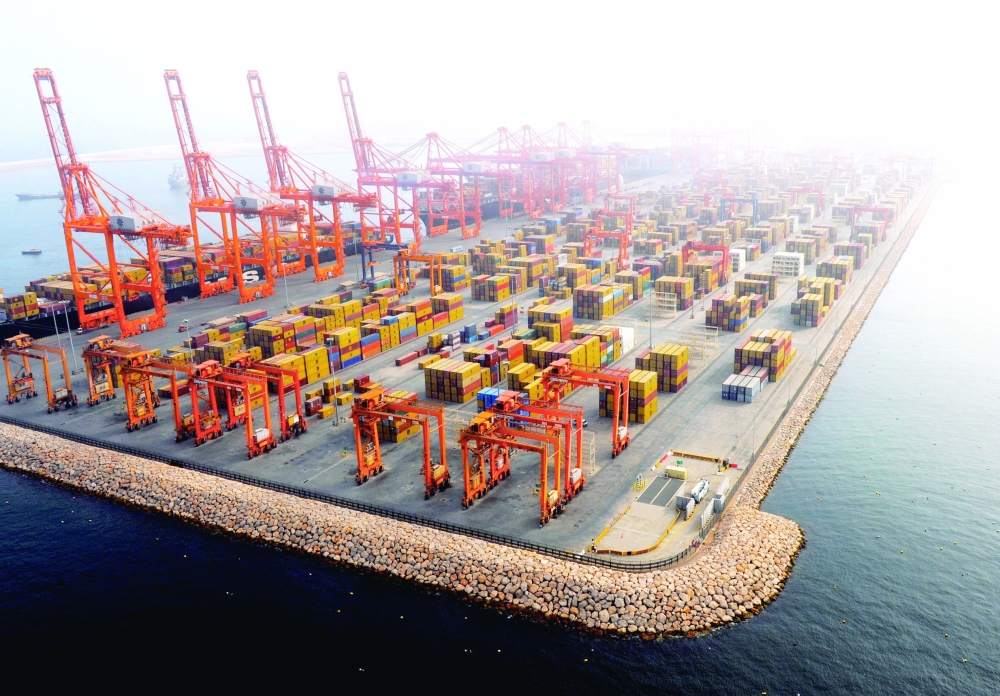
As a result, governments and investors are increasingly exploring alternative logistics corridors through the Arabian Sea and Red Sea, opening new opportunities for ports, transportation infrastructure and related industries.
Participants also highlighted growing demand for private credit as companies seek financing outside traditional banking channels.
The rapid pace of investment across the Gulf has created increased demand for flexible and customised funding solutions, leading borrowers to explore alternative sources of capital.
"Availability of credit, speed of credit and customised structures are becoming increasingly important", one panellist said, adding that private credit has evolved from a relatively dormant asset class into one attracting substantial interest from both borrowers and investors.
The discussion also touched on the evolving relationship between geopolitical developments and investment flows.
Representatives from global financial institutions argued that periods of uncertainty often create opportunities for capital market development, particularly when governments respond with increased investment in infrastructure, resilience and economic diversification.
Mark Elliott, Division President for East Arabia at Mastercard, said public-private partnerships are becoming increasingly important as countries seek to strengthen domestic economic capabilities while remaining connected to global trade and financial networks.
He noted that the Europe, Middle East and Africa region is becoming an increasingly important connector of international trade flows and investment activity.
Much of the discussion centred on Oman's role within the changing regional landscape.
Panellists argued that Oman possesses a unique competitive advantage due to its direct access to the Arabian Sea, allowing trade to bypass potential bottlenecks in the Strait of Hormuz.
Combined with ongoing economic reforms, fiscal discipline and the expansion of capital markets, this geographical advantage could position Oman as a gateway for trade and investment flows into the wider Gulf region.
One speaker described Oman's location as a "unique value proposition" capable of attracting both commercial and financial activity.
The discussion also examined the performance of Gulf equity markets over recent years. Participants noted that GCC equities have demonstrated resilience and, in some cases, outperformed other major asset classes despite global economic challenges.
Panellists attributed this performance partly to diversification efforts across Gulf economies, which have reduced dependence on hydrocarbons and broadened the economic base.
However, speakers emphasised that successful diversification should be measured not only by government revenue sources but also by the proportion of exports generated from non-oil sectors.
The conversation further highlighted the growing attractiveness of Gulf markets for active investors. Unlike highly efficient developed markets where opportunities for outperformance are limited, GCC markets continue to offer significant potential for generating superior returns through careful stock selection and market expertise.
Speakers stressed that attracting long-term international capital will require continued reforms, competitive pricing of investment opportunities and deeper capital markets.
While geopolitical tensions may temporarily increase risk premiums, several panellists argued that strong regional liquidity and growing investor appetite for Gulf assets are likely to offset those concerns over time.
The discussion concluded with a strong consensus that Oman is well positioned to benefit from shifting regional trade patterns, growing investment in resilience and infrastructure; and the continued development of the Gulf's capital markets, provided reforms and diversification efforts remain on course.
Oman Observer is now on the WhatsApp channel. Click here