




Along the eastern coastline of the Sultanate of Oman, the natural khors of Sur unfold like living pages shaped by geography, trade and the sea. These tidal inlets, where seawater gently merges with land, are now seen not only as natural formations but as enduring symbols of Sur’s maritime identity and cultural legacy.
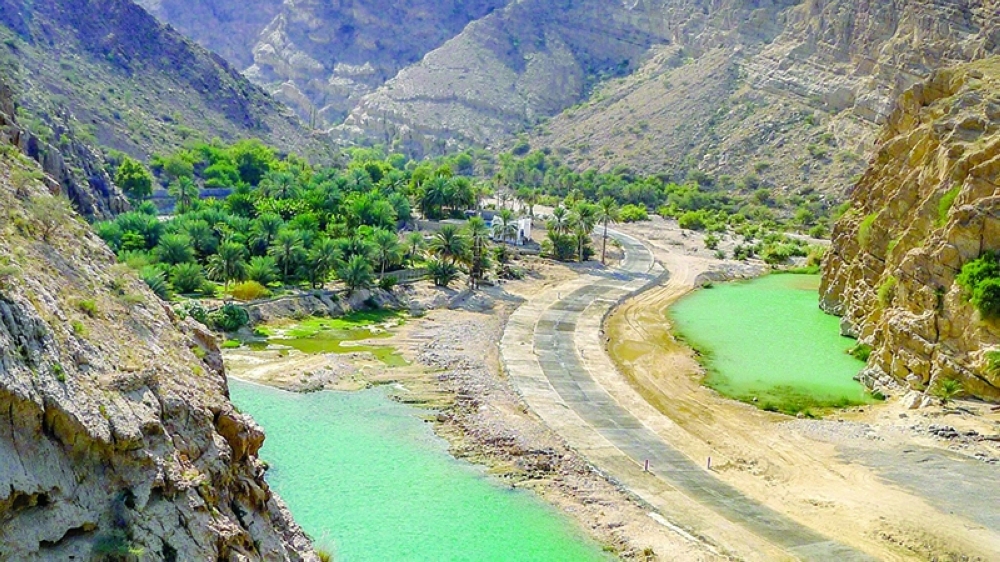
Stretching from Ras Al Jinz on the Arabian Sea to the coastal village of Tiwi along the Sea of Oman, the khors of Al Sharqiyah South form an ecological and historical landscape. Among the most notable are Khor Ras Al Jinz, Khor Al Hajar, Khor Jarama, Khor Shiyaa, Khor Al Bat’h, Al Rassagh, Qalhat and Tiwi. Some appear as coastal lagoons, others as tidal estuaries, together forming a scenic environment now increasingly integrated into Oman’s tourism development vision, particularly as Sur is designated this year as the Arab Tourism Capital.
Beyond their scenery, these khors reflect Oman’s long relationship with the sea. For centuries, they functioned as natural harbours and safe anchorages for trading vessels crossing the Indian Ocean, reinforcing Sur’s historical status as one of the region’s most important maritime cities. Their calm waters offered protection from seasonal winds, enabling fishing, shipbuilding and long-distance trade.
Dr Yahya bin Badr al Maawali, Governor of Al Sharqiyah South, noted that Sur holds a wide range of natural and tourism assets, with the khors among its most significant. He said current plans include waterfront developments, eco-tourism projects, camping areas and marine leisure activities aimed at boosting the local economy while preserving environmental character.
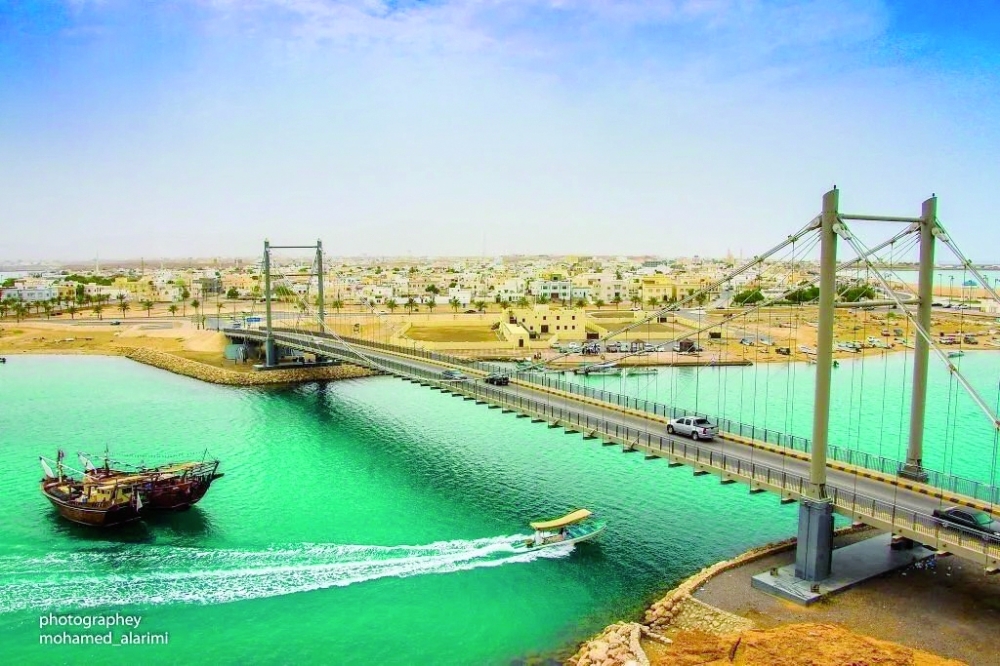
Among these waterways, Khor Al Bat’h is one of the largest and most prominent in Sur. Covering about five square kilometres and stretching nearly four kilometres from Ras Al Mil lighthouse to Al Tina district, it has long served as a commercial harbour for fishing boats and traditional vessels. Its eastern bank faces the historic village of Al Ayjah, while Sur’s old quarters line the western shore, visually linking heritage and daily life.
For generations, Khor Al Bat’h has remained part of Sur’s everyday rhythm. Wooden boats moving across calm waters and traditional houses overlooking the inlet continue to reflect the city’s seafaring identity, shaped by shipbuilding and ocean trade.
Maritime historian Hamoud bin Hamad al Ghailani describes these khors as “living witnesses to Oman’s maritime civilisation”. He explains that some were formed through coastal geological depressions, while others developed through erosion from valleys or the interaction between the Eastern Al Hajar Mountains and the coast.
Historically, most khors functioned as ports, anchorages and shelters from rough seas. He highlights Khor Ras Al Jinz, where archaeological findings reveal a major maritime centre linked to the Magan civilisation in the fourth millennium BCE. Excavations uncovered materials used in shipbuilding, including bamboo, reeds and bitumen, alongside evidence of trade connections with the Indus Valley civilisation, Meluhha and Pharaonic Egypt, underscoring Oman’s early role in regional exchange.
Khor Al Hajar also served as a key harbour within ancient trade networks, while remains at Khor Jarama point to Bronze Age settlements and burial sites. In the 19th century, the khor remained active commercially and later gained strategic importance during the Second World War, when British forces used parts of it for fuel storage, traces of which remain visible.
For local residents, the khors are more than archaeological or tourism sites. Sur resident Salim bin Rashid al Araimi describes them as part of “the collective memory of the people of Sur”, tied closely to fishing, trade and shipbuilding traditions passed through generations. He stresses that preserving and developing these spaces responsibly ensures younger generations understand the city’s true history.
Tourism sector worker Rajesh Kumar adds that the khors hold strong international appeal. He notes that their blend of mountains, sea and heritage creates a rare and authentic coastal experience that could attract global visitors with further sustainable development.
As Oman expands eco-tourism and cultural preservation, the khors of Sur stand as examples of nature and history in harmony — landmarks that continue to carry the memory of maritime life through tides, boats and enduring coastal landscapes.
Oman Observer is now on the WhatsApp channel. Click here