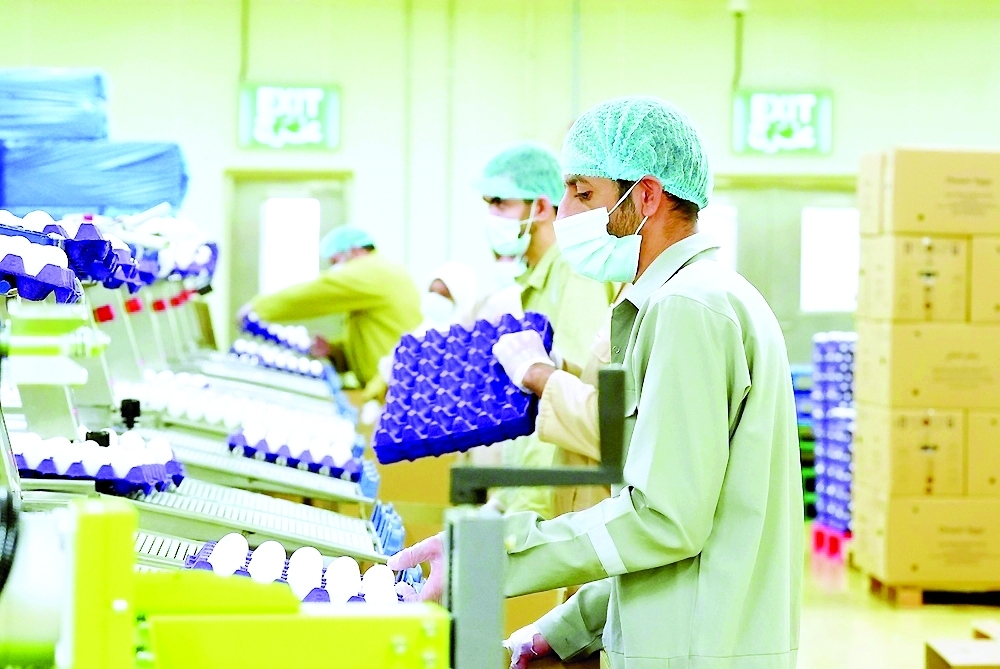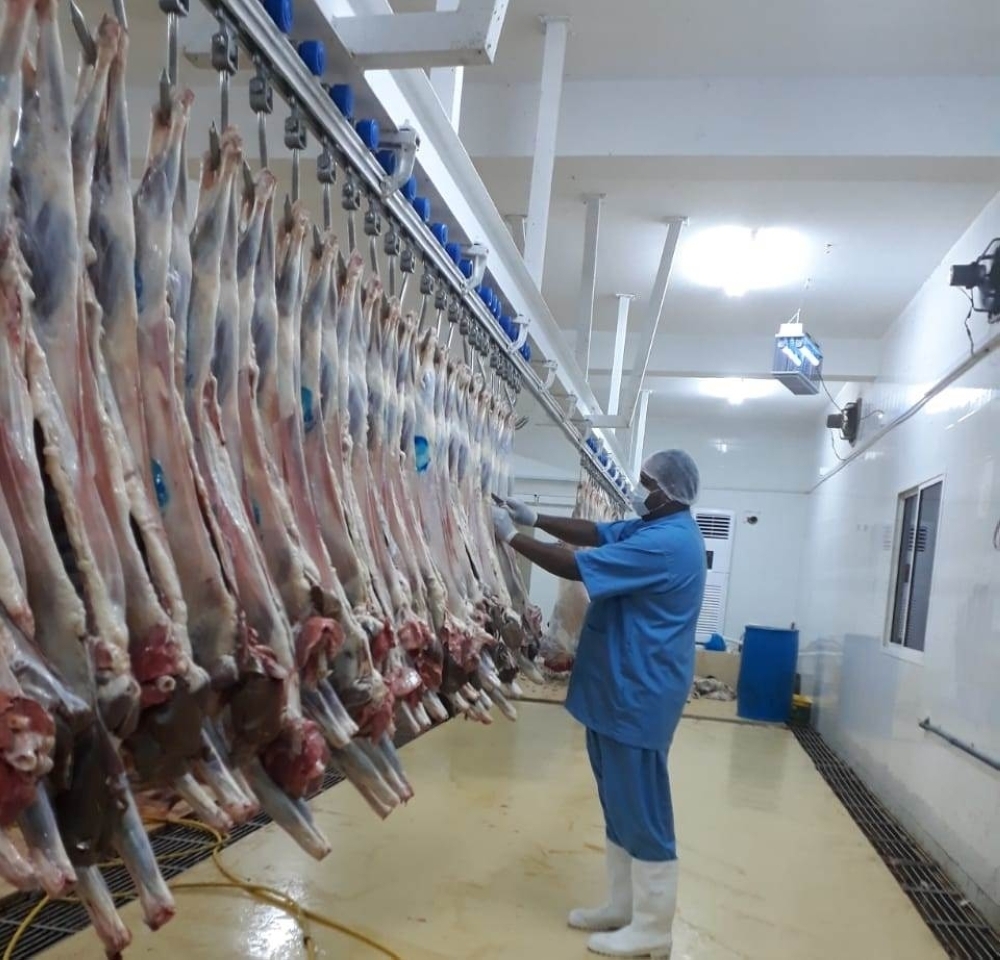





Muscat: With Eid Al Adha only a few days away and thousands of animals expected to be slaughtered during the festive period, authorities and public health experts have urged the public to follow strict safety precautions and use licensed slaughterhouses to reduce the risk of the spread of any contagious diseases.
According to public health guidance, butchers, slaughterhouse workers, livestock handlers, veterinarians, and individuals directly involved in slaughtering activities are among the groups considered at higher risk of exposure.
Health and safety recommendations stress the importance of conducting sacrifices in approved slaughterhouses rather than at homes or unregulated sites. Licensed facilities provide veterinary oversight, controlled hygiene conditions, and proper disposal systems for animal waste, helping to minimise the possibility of disease transmission.
Authorities also advise individuals handling animals or participating in slaughter activities to wear protective equipment, including gloves, masks, protective clothing, and boots, while avoiding direct contact with blood and animal tissues where possible. People with cuts or open wounds are advised not to handle animals or raw meat without proper protection.
Additional safety measures include thorough handwashing after handling animals or meat, disinfecting tools and surfaces, using separate equipment for raw meat, and ensuring safe disposal of animal waste in sealed containers.
Veterinary checks on animals and avoiding the slaughter of visibly sick animals are also considered essential preventive steps.
Medical experts advise the public to seek immediate medical attention if symptoms such as high fever, unusual bleeding, muscle pain, fatigue, nausea, or vomiting develop after contact with animals or slaughter activities.
Early detection and treatment remain important in reducing complications associated with the disease.
Oman Observer is now on the WhatsApp channel. Click here