




When winter coincides with Ramadan, it is not only the temperature that changes, but the rhythm of Omani homes as well. Kitchens grow warmer; and mothers and grandmothers return to recipes never written down yet carefully preserved in memory. These dishes are simple in ingredients but profound in meaning, gently cooked and served hot, carrying the spirit of the season.
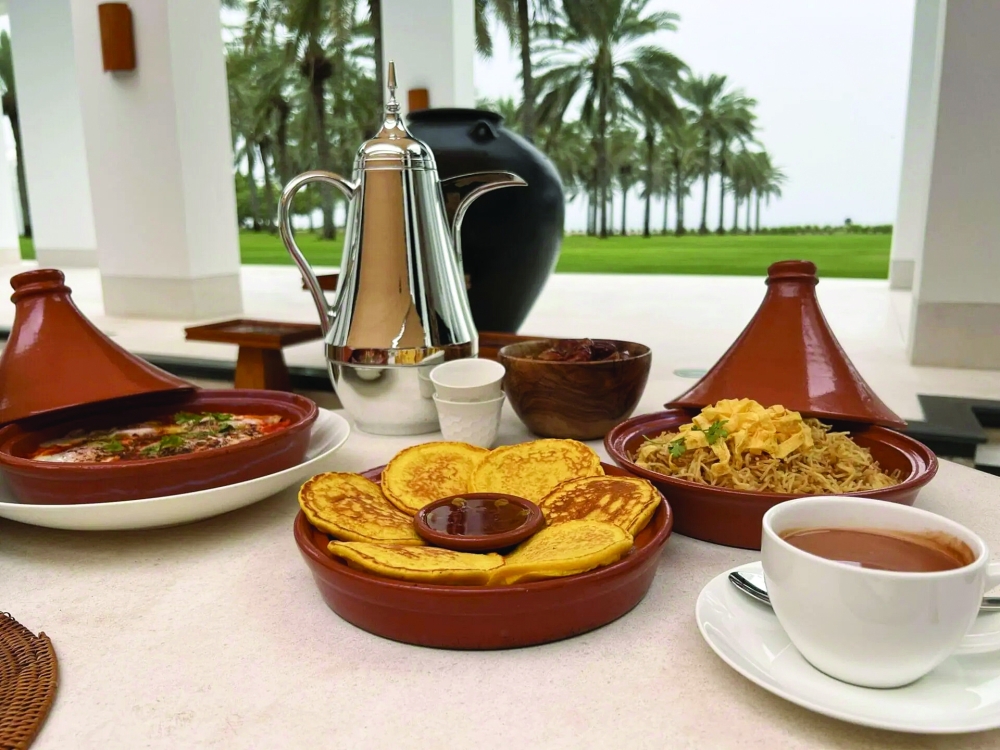
Sara al Abri, a content creator specialising in traditional Omani cuisine, highlights “Al Jawla and Honey” as one of the most prominent winter recipes. Made from flour, water and a pinch of salt, the batter is baked on a griddle, then drizzled with date syrup and Omani ghee; and sprinkled with cardamom and black pepper. The defining moment, she says, comes when it is crumbled with a wooden stick to blend the flavours. Served hot with coffee, it becomes more than a dish, it is a winter ritual and an unspoken sign that the night is long and calls for warmth.
On her Instagram account (@hodhod.om23), Sara also shares the recipe for sweet potatoes, locally known as “Al Fandal”, a winter dish common across several Omani regions. Some boil it with dates, while others cook it plainly and serve it with syrup or honey. “The similarity is in the essence and the difference is in the additions”, she explains, reflecting a broader characteristic of Omani cuisine.
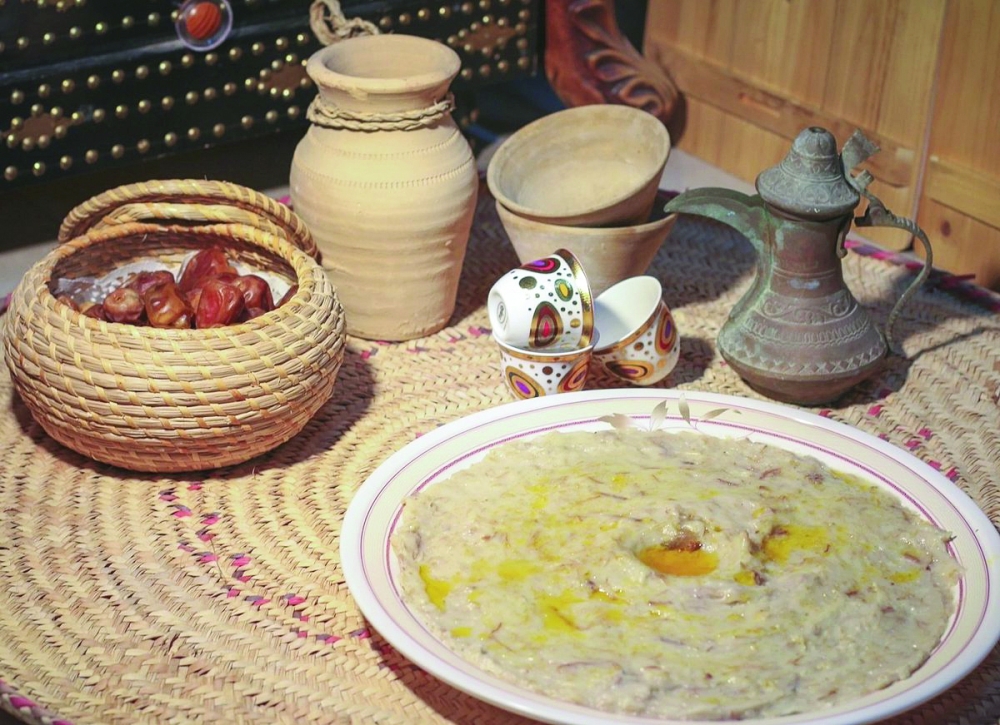
Another favourite is “dates with ghee”, prepared from date paste, ghee, cardamom and black pepper, gently stirred over low heat until fragrant. The sweetness combined with pepper reflects a long-standing understanding of balancing flavour with climate. It is typically served hot with Omani coffee.
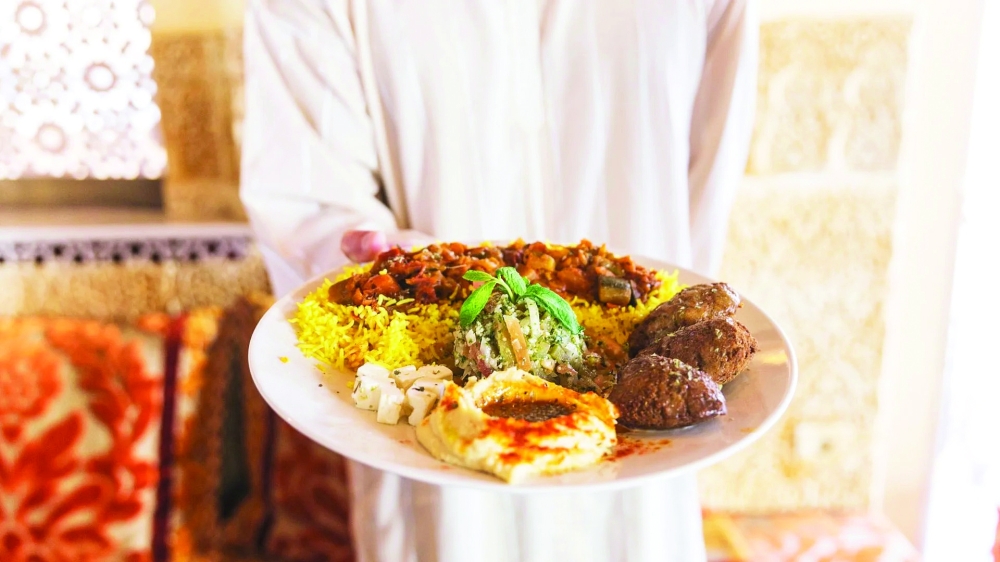
Some dishes are even simpler. Omani peas, “Gurgur” and broad beans, “Baqil” are seasonal winter crops boiled with salt and served hot, often eaten by hand. Though not considered main dishes, they signal the season’s presence on the table and affirm that simplicity can be deeply satisfying. Pumpkin, locally called “Bobar”, is boiled until soft, then mixed with milk and spices and served with Omani bread, reflecting the direct link between land and table. Garden cress seed soup, prepared savory or sweet, offers light warmth against the chill.
Beyond sustenance, these dishes carry social meaning. Sociological researcher Watfa bint Masaaod al Farsi, Assistant Researcher at the Omani Studies Centre at Sultan Qaboos University, notes that food in Oman has never been a routine act. It remains tied to rituals of preparation and serving. Dining culture is built on sharing, from cooking together to eating from one plate, embodying connection and cooperation.
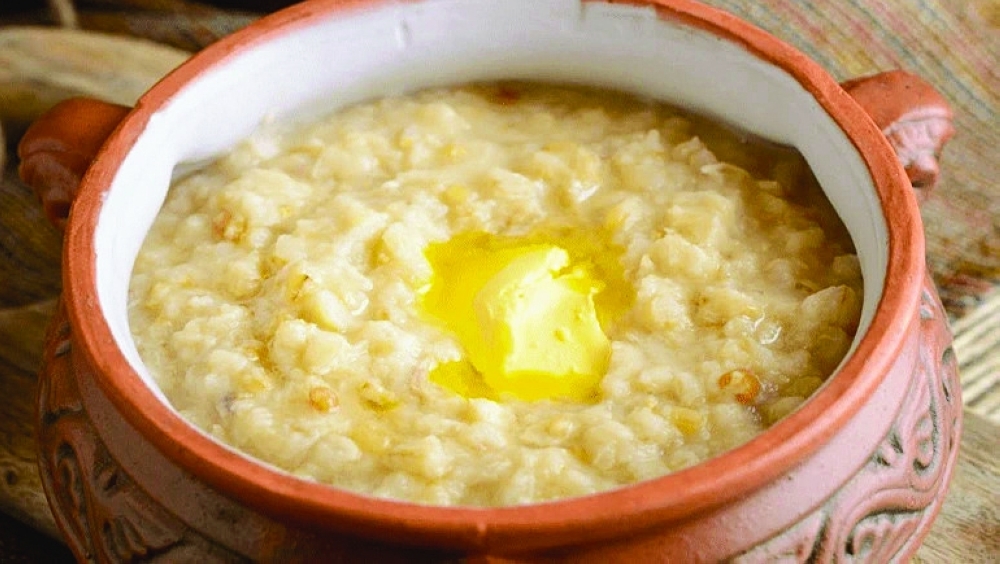
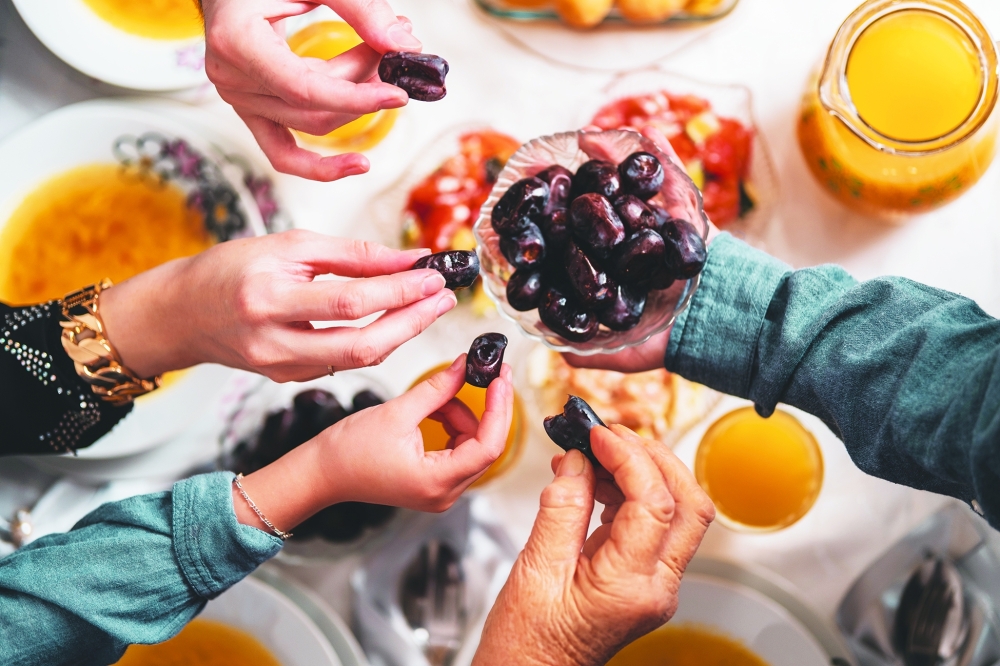
This spirit deepens during Ramadhan. Though fasting is an individual act of worship, iftar is collective. Families, neighbours, colleagues and villages gather frequently, balancing spiritual devotion with social bonds. Al Farsi recalls childhood memories of delivering Ramadhan dishes to neighbours and returning with others, an exchange rooted less in food than in care and belonging. In many villages, men and women also gather separately after Taraweeh prayers for nightly meals that preserve solidarity and offer comfort.
Winter dishes in Ramadhan, therefore, are more than seasonal meals. They are rituals of warmth and gathering, collective rewards after a day of fasting and enduring symbols of the Omani table in a fast-paced world.
Oman Observer is now on the WhatsApp channel. Click here