




DUBAI - Iran's strikes across the Gulf have triggered the most widespread business disruption in the region since the pandemic, forcing airport closures, halting port operations, and sending shockwaves through financial markets.
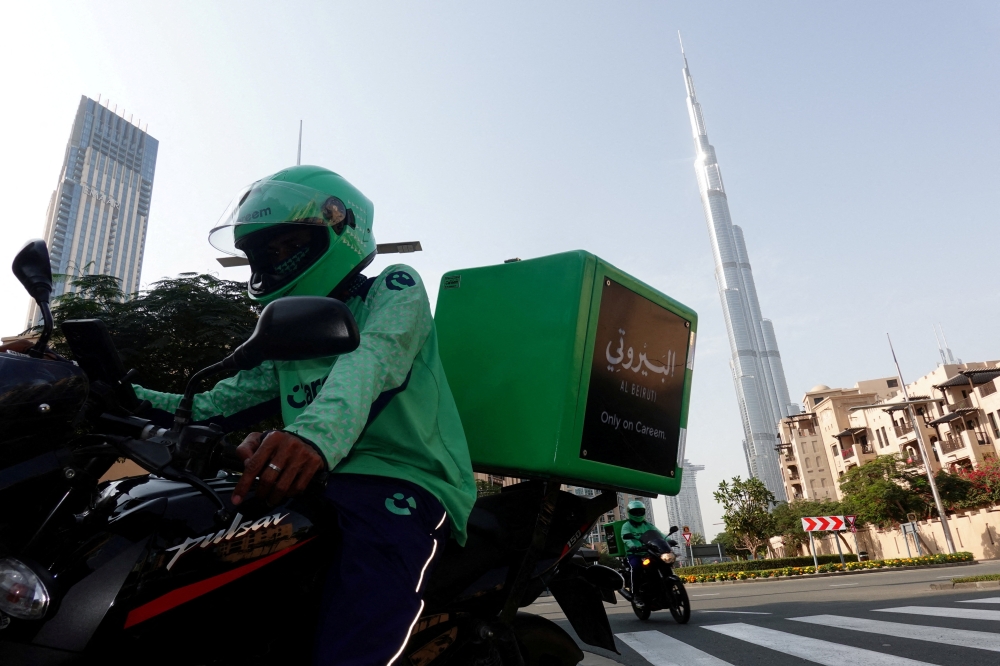
The strikes marked an unprecedented escalation for Dubai, a city whose modern identity was built on being insulated from the region's conflicts. From humble beginnings as a small fishing village, the emirate of Dubai used modest oil revenues to build ports, airports, and trade centres before pivoting in the 1990s to luxury tourism, real estate, and financial services. "Regionally, the impact across (Gulf) economies is mixed," said Vijay Valecha, chief investment officer at Century Financial.
"Elevated oil prices provide a fiscal cushion for producers such as Saudi Arabia and Qatar, strengthening revenues and liquidity. However, trade, logistics, and tourism, particularly in the UAE, would face pressure if shipping risks rise or regional sentiment weakens."
STOCK MARKETS FALL
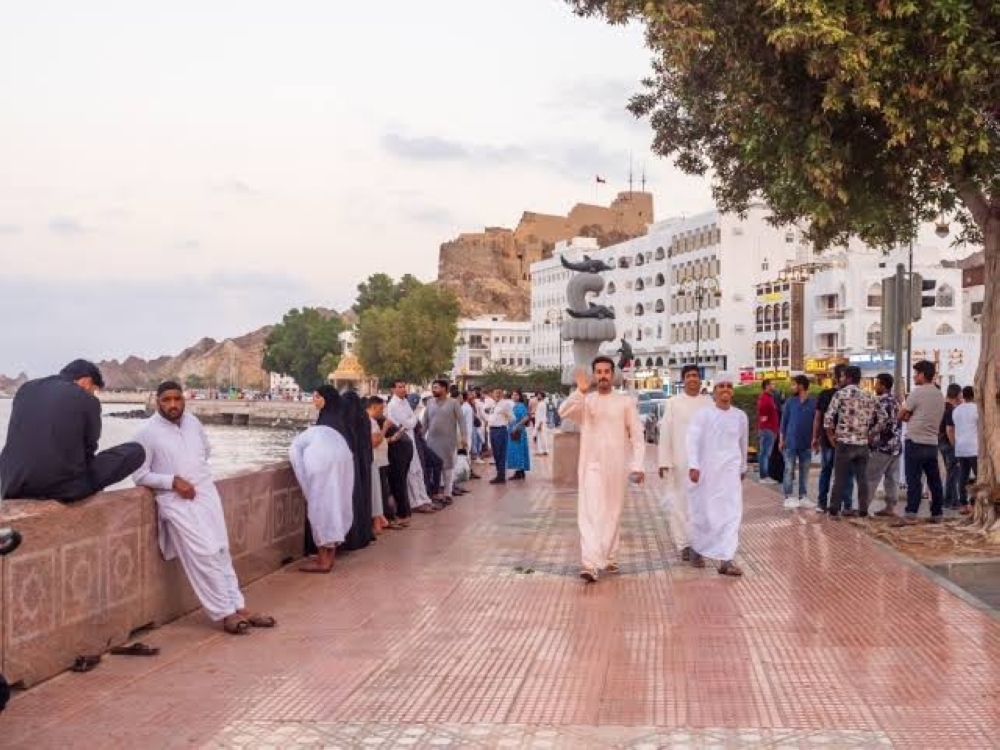
Gulf stock markets fell sharply when trading opened on Sunday, with Saudi Arabia's benchmark index dropping more than 4% at the open and closing down 2.2%. Oman closed down 1.4% and Egypt lost 2.5%, both paring earlier losses. Kuwait's exchange took the unusual step of suspending trading until further notice. UAE markets, shut on Sundays, are due to open on Monday. "Markets will continue to be fragile and volatile as long as the military actions are active," said Mohammed Ali Yasin, chief executive of Ghaf Benefits, a Lunate company in Abu Dhabi. "Usually in such events, the international institutional investors are the ones that put the selling pressures initially... while local ones try to soften the drops by picking the leading stocks."
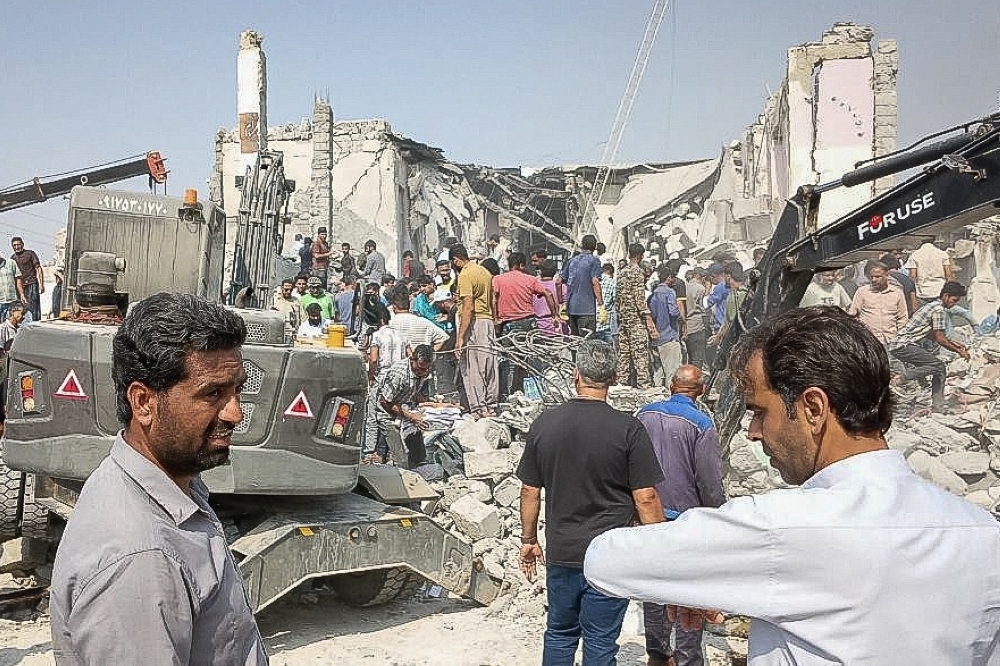
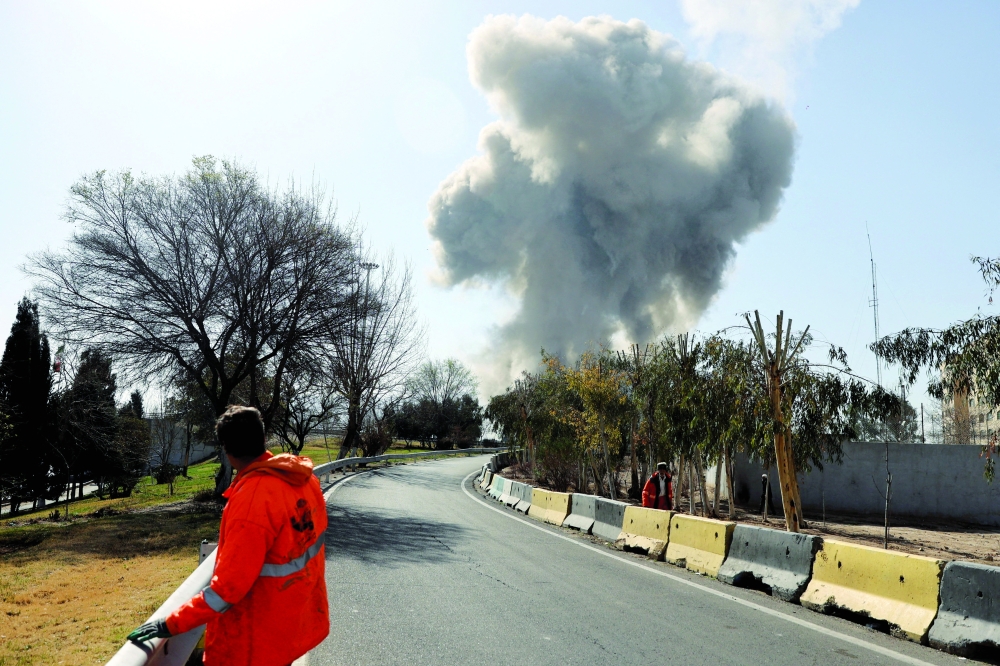
Iran's strikes targeted airports, military installations, ports, and hotels across the Gulf. Dubai International Airport and Abu Dhabi's Zayed International Airport both sustained damage, with one civilian killed and 11 injured across the two sites. A berth at Dubai's Jebel Ali Port also caught fire following an aerial interception. Some of the UAE's biggest companies include Dubai developer Emaar Properties and retailer Majid Al Futtaim.
The country has also become a magnet for global hedge funds and major banks seeking proximity to vast pools of sovereign wealth managed by ADIA and Mubadala.
RAMADAN NETWORKING
The disruption has landed at a particularly sensitive moment in the Gulf's business calendar. The attacks fell during the Islamic holy month of Ramadan, when corporate iftars and suhoors - the communal meals that break and begin the daily fast - are among the region's most important networking events.
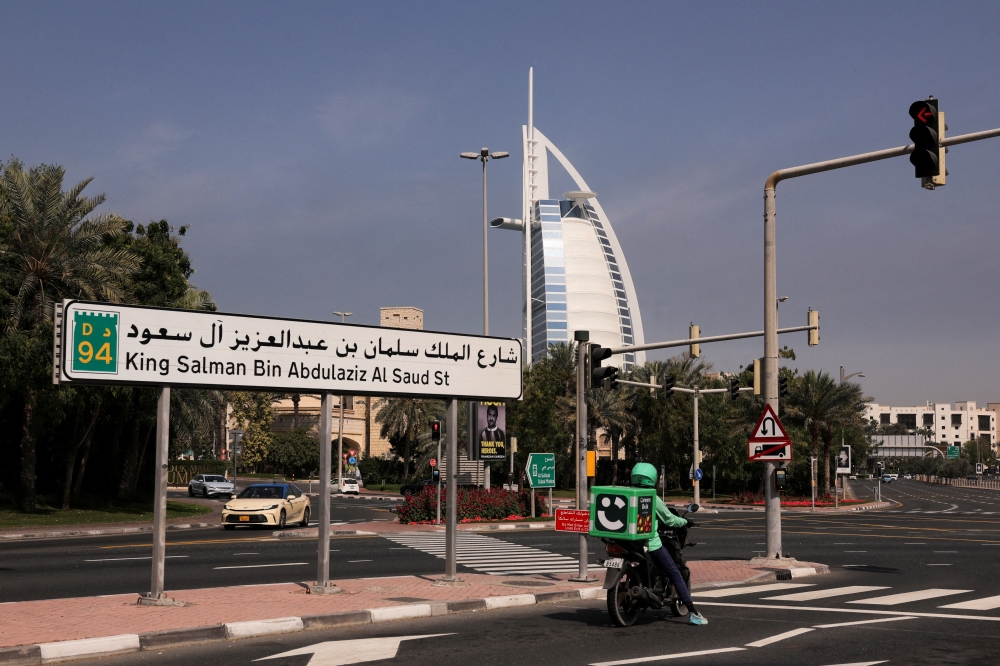
For a region where relationships underpin business dealings, the loss of Ramadan's networking season adds a less visible but significant cost to the disruption already unfolding. Strikes also hit residential areas around Dubai Marina and Palm Jumeirah, setting the Fairmont The Palm hotel ablaze and damaging the Burj Al Arab. The Fairmont had recently been sold for $325 million to Kuwait's Arzan Investment Management - a deal seen as a marker of surging Gulf hospitality demand - making the damage one of the starker symbols of the toll on the region's booming tourism economy. The United States, the UK, and the European Union issued updated travel advisories for the Gulf following the strikes, urging citizens to exercise extreme caution and avoid non-essential travel. Key transit airports, including Dubai, Abu Dhabi, and Doha in Qatar, were shut or severely restricted on Sunday as much of the region's airspace remained closed.
Staff at major international companies are expected to follow local guidance on working from home in the coming days.
The UAE federal labour authority advised companies to implement remote working arrangements through March 3, urging them to keep workers away from open areas, with the exception of vital roles requiring physical attendance.
Oman Observer is now on the WhatsApp channel. Click here