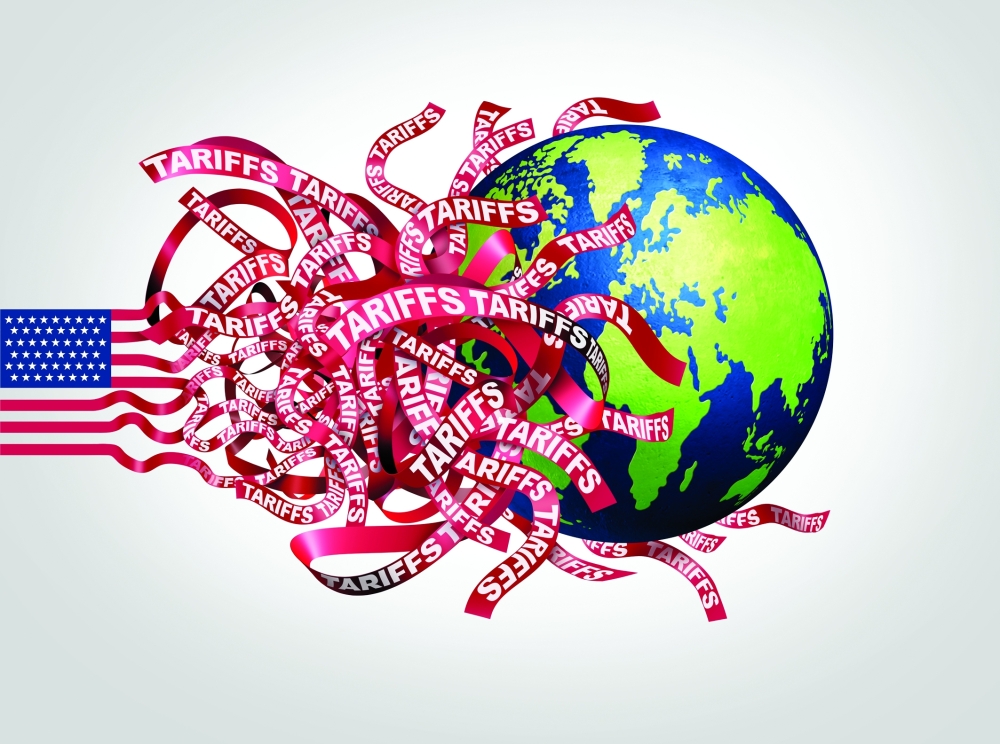
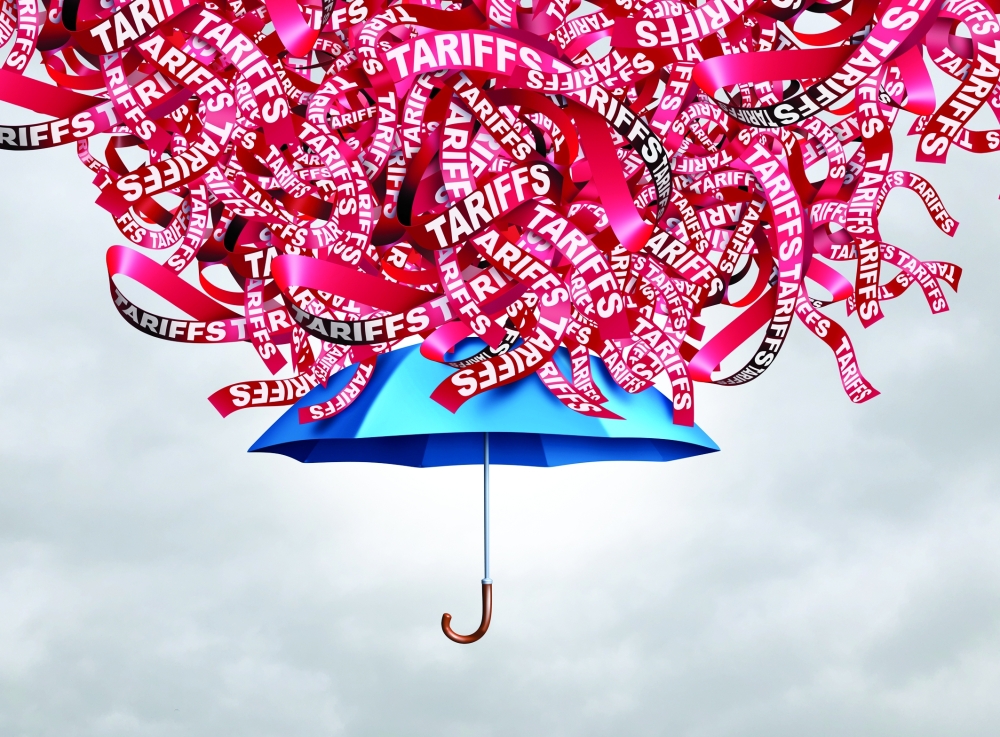





Global drugmakers are ramping up US manufacturing and stockpiling inventory as the Trump administration considers a 100 per cent tariff on imported branded and patented medicines.
Although enforcement is delayed for companies investing in US manufacturing, the policy has already prompted fast-tracked projects, price cuts and direct-to-consumer sales.
Pfizer and AstraZeneca secured multi-year tariff exemptions through pricing deals and commitments to the new TrumpRx.gov platform. Eli Lilly, Johnson & Johnson and Merck have pledged billions to expand US operations to avoid penalties.
Here's what drugmakers are doing to mitigate supply-chain risks and reassure investors:
Pfizer
Pfizer reached a deal with President Donald Trump on September 30 to invest $70 billion in research and development and domestic manufacturing, and received a three-year grace period exempting its products from the pharmaceutical-targeted tariffs.
GSK
The London-based drugmaker plans to invest $30 billion in US research and development and supply chain infrastructure over five years.
Eli Lilly
Lilly said last year that it planned to spend at least $27 billion to build four US plants to expand production and bolster medical supply chains. The company has since announced details on three plants, in Alabama, Virginia and Texas.
Johnson & Johnson
The drugmaker plans to raise US investments by 25 per cent, totaling $55 billion, over the next four years. It plans to build four plants, including one at Wilson, North Carolina, and another at Tokyo-based Fujifilm Biotechnologies' manufacturing site in Holly Springs, North Carolina, over the next 10 years. Locations for the other plants remain undisclosed.
Roche
The Swiss drugmaker said in April last year it will invest $50 billion in the US over the next five years. A month later, it announced an additional $550 million investment to expand its Indianapolis diagnostics manufacturing hub. The expansion will span Indiana, Pennsylvania, Massachusetts, and California, creating more than 12,000 jobs. In January, Roche said it will more than double its investment in its drug manufacturing facility in Holly Springs, North Carolina, to about $2 billion, up from the over $700 million announced in May 2025.
AstraZeneca
The Anglo-Swedish drugmaker will invest $50 billion on US manufacturing by 2030. The investment will fund a new drug substance facility in Virginia, its largest single-site global investment, alongside expansions in Maryland, Massachusetts, California, Indiana and Texas.
Novartis
The Swiss drugmaker plans to spend $23 billion to build and expand 10 facilities in the US over the next five years. This includes building six new manufacturing plants and expanding its San Diego research and development site, which is expected to create more than 1,000 jobs.
Sanofi
The French drugmaker plans to invest at least $20 billion in the US through 2030 to boost manufacturing and research. Sanofi plans to expand its US manufacturing capacity through direct investments in the company's sites and partnerships with other domestic manufacturers.
Biogen
The US drugmaker will invest $2 billion more in its existing manufacturing plants in North Carolina, adding capacity for gene-targeting therapies and automation. The company has seven factories in the state, with an eighth set to begin operations in late 2025.
Merck
The US drugmaker has begun building a $3 billion pharmaceutical manufacturing plant in Virginia as part of its over $70 billion investment to expand domestic manufacturing and research and development in the United States. It will also invest $1 billion in a new Delaware plant to make biologics and cancer drug Keytruda, to boost US production and potentially create over 4,500 jobs. It also opened a $1 billion facility at its North Carolina site in March. Merck's animal health unit will invest $895 million to expand its Kansas manufacturing and R&D site, part of a broader $9 billion US investment through 2028.
Amgen
The US-based biopharma firm plans to invest $900 million to expand its Ohio manufacturing facility, bringing total investment in the state to $1.4 billion and adding 750 jobs. In December, the company committed $1 billion to build a second facility in Holly Springs, North Carolina. Amgen said in September it is investing more than $600 million to build a new research and development center at its headquarters in Thousand Oaks, California. The drugmaker announced it will invest $650 million to expand drug manufacturing at its facility in Juncos, Puerto Rico, a move expected to create nearly 750 jobs.
Novo Nordisk
The Danish pharmaceutical company said in August its strong U.S. manufacturing footprint positions it well for tariff challenges, describing itself as "very US-centric and US-focused".
AbbVie
US drugmaker AbbVie said in January it has committed $100 billion over the next decade to US-based research and development as part of its three-year deal with the Trump administration to reduce drug prices. It has 11 manufacturing sites in the US and has said it is "fairly insulated" from any tariff impact this year given inventory management actions.
Gilead Sciences
Earlier this year, the drugmaker announced $11 billion in new planned investment in the US to add to its domestic manufacturing and research heft, taking its total pledged investment to $32 billion. Gilead said in September that it started work on a pharmaceutical development and manufacturing hub at its headquarters in Foster City, California, in addition to which, it is currently developing two other sites.
Cipla
The Indian drugmaker is expanding its U.S. manufacturing footprint by investing in capacity expansion for complex respiratory products at its advanced facilities in Fall River, Massachusetts, and Central Islip, New York.
CSL
Australia's CSL said in November it would invest $1.5 billion in the U.S. to manufacture plasma-derived therapies, expanding its footprint in the country over the next five years.
Oman Observer is now on the WhatsApp channel. Click here