As Oman celebrates its National Day, the focus this year has shifted to interesting ways in which history is being showcased and narrated.
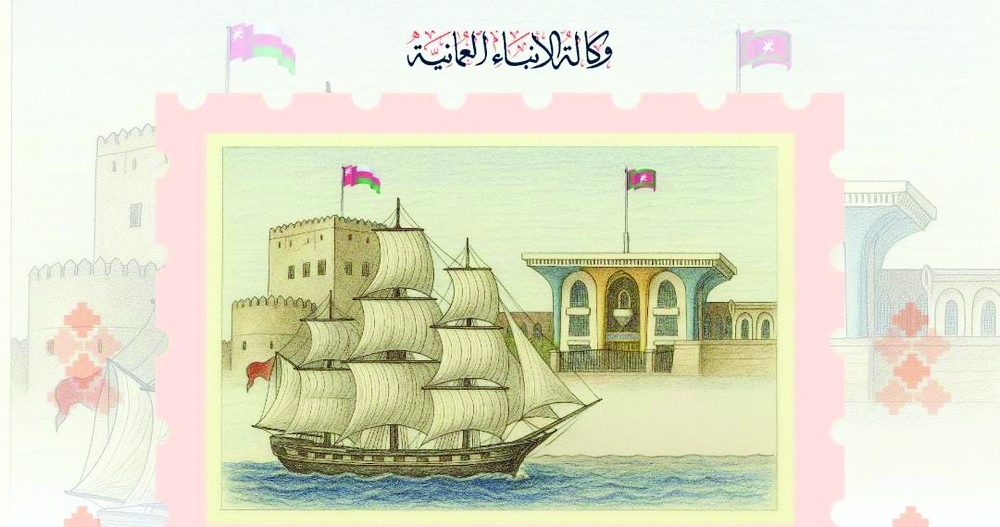
Drawing direct lineage to the Al Busaid State, founded in 1744, creates a continuum that is rooted in the past in more ways than one. For one, it establishes a reminder of a legacy of rule that can be traced back centuries, giving the country a framework within which it realises itself and its identity.
Identity is a key feature of what makes a nation. In addition to tangible markers like a national symbol and a national flag, there are intangible representations of national identity. These include customs, traditions, shared beliefs and cultural mores.
Oman Vision 2040, the country’s long-term development road map, exemplifies this blend of old and new. While prioritising innovation and sustainability, it also emphasises cultural preservation and community-led initiatives.
The vision recognises that modernisation must enhance Omani ways of life. This is why heritage sites, traditional crafts, and folkloric arts receive significant investment and protection. They represent more than historical artefacts as they are living expressions of identity, linking younger generations to their ancestors’ wisdom.
In fact, Oman Vision 2040 outlines the importance of history in one of its clearly stated priorities, which is 'Citizenship, Identity and National Heritage and Culture'. In it, the strategic direction is said to be to build “A society that is proud of its identity and culture, and committed to its citizenship”.
Education can contribute widely to creating these linkages between past and present. Encouraging a reading of history that connects a nation’s past with its future could begin with strategies to make heritage engaging for students. This can be achieved by integrating historical themes across various subjects and going beyond textbooks.
Learners can be encouraged to see how traditional values like pride in craftsmanship and protection of the environment can inform modern challenges. In this way, history becomes a practical guide rather than a theoretical narrative.
This can be achieved through experiential learning. This includes visits to forts, aflaj systems and heritage villages to introduce students, particularly those living in the larger cities, to witness inventions and lifestyles established in earlier times.
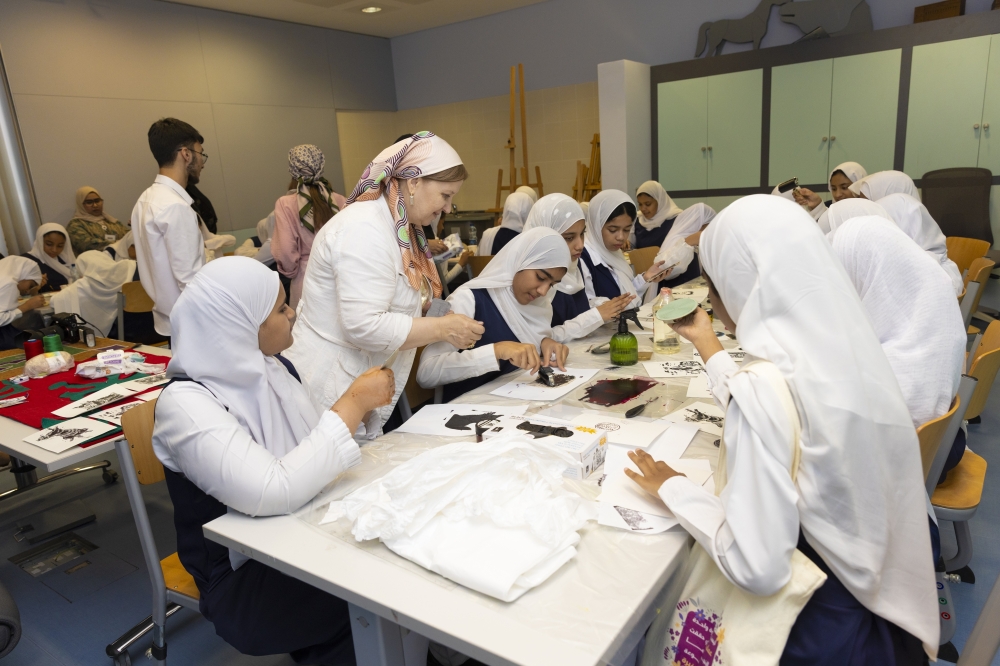
Classroom projects that revive and inform on traditional arts, storytelling, or oral histories should be encouraged. Students should be given opportunities to explore projects on their own by interviewing artisans or community leaders, giving insights into cultural differences and similarities within different geographical spaces within Oman.
Encouraging an analysis of the past and the way in which historical knowledge and values inform future innovation can become a useful strategy to make younger generations cultivate an informed admiration of the past and its inevitable linkages to the future.
Dr Sandhya Rao Mehta
The writer is an Associate Professor, Sultan Qaboos University
Oman Observer is now on the WhatsApp channel. Click here