In a world dominated by technology, automation and globalisation, there is no doubt that higher education needs to find ways to align its goals with specific market needs if it is to be of value to its major stakeholders – the students.
There are many reasons why the value of higher education is being questioned. Basically, its ROI (Return on Investment) is sharply falling. This means that a 3-or 4-year degree is not a guarantee of a steady job any more. In fact, studies in North America show that students spend almost their entire lifetime paying off student loans.
Another limitation is that universities offer academic courses which do not automatically translate into jobs. In our rapidly changing world, this is becoming ever truer.
Traditionally, universities have focused on cultivating intellectual growth, research capabilities, and critical thinking. These remain important skills and qualities among the workforce, but they are also identified as theoretical skills which are not immediately translated into jobs.
Worldwide, employers report difficulty finding candidates with the necessary skills, communication abilities, and problem-solving competencies, in spite of having an increasing number of degree holders.
There are many solutions to bridge this gap, and universities have started initiating necessary changes. One of the most effective strategies is to establish stronger collaboration between universities and businesses, government agencies, and professional organisations. Such collaborations can be through internships and joint research initiatives. This kind of engagement ensures that academic programmes remain relevant, while students gain first-hand experience and develop skills that enhance their employability. It also keeps the university aware of changing needs within the industry.
In such a scenario, data is most important. By analysing market trends, employer satisfaction surveys and alumni outcomes, universities can make quick, informed decisions on programmes that are in tune with current trends and fill required gaps. It also helps to update academic programmes, modify or even phase out the ones that may seem outdated.
For their part, curricula and programmes themselves should be dynamic and quick to change. This is only possible when academic programmes are continuously reviewed for the extent to which they reflect market needs. Today, for example, traditional courses need to include aspects of technology, sustainability and data analytics to keep up with the next few decades. The best universities are the ones which adapt swiftly to such demands.
Of course, this is not to say that the pursuit of knowledge, as we traditionally know it, is irrelevant to the present or the future. Aligning higher education with market needs does not mean sacrificing academic integrity or intellectual exploration. In fact, it involves balancing knowledge creation and dissemination with practical skills which empower students and contribute to society.
As is well known, change is the only constant. By being aware of a rapidly transforming society and its needs, universities contribute meaningfully to shifts in knowledge production. Responding proactively to such needs empowers students and strengthens the industry.
Adaptability and collaboration between academia and industry is not an option but is actually essential for the sustainable development of all stakeholders, particularly the youth.
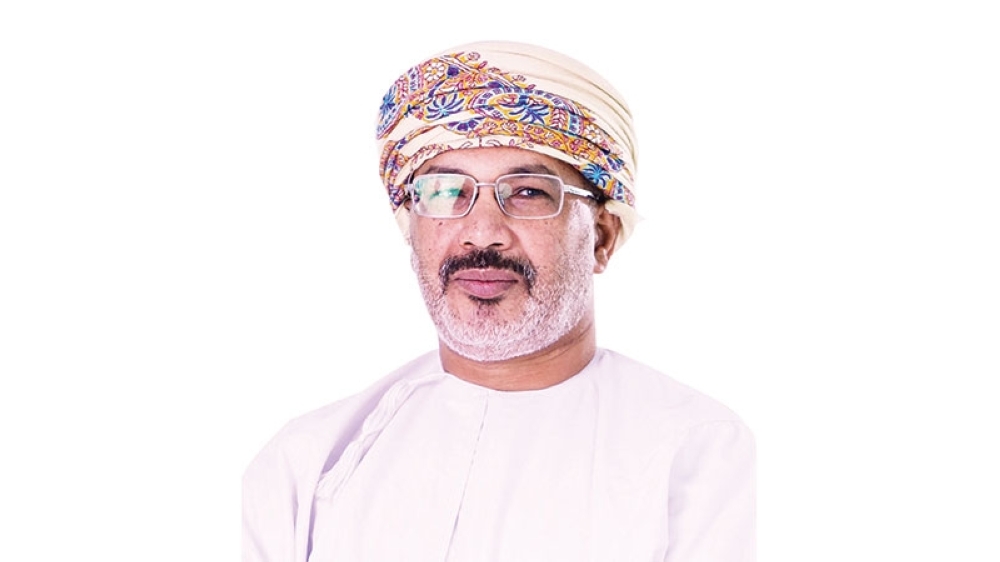
Sandhya Rao Mehta
The writer is an Associate Professor, Sultan Qaboos University
Oman Observer is now on the WhatsApp channel. Click here