There is no doubt that there are major challenges facing education at every level today. These include aligning education with market requirements, the unprecedented challenges of technology, particularly Artificial Intelligence, as well as associated issues of learner motivation and purpose. As educationists debate endlessly on such issues, there is one major voice that is missing and that is of students themselves.
Education is changing today in more ways than we can imagine. It is not only that attention spans are reducing owing to social media content, but that the very purpose of education is being questioned. If AI, it is often asked, can produce papers and projects within minutes and replace an entire semester worth of content learning, what is the purpose of a classroom?
Researchers have recently been investigating this phenomenon in depth. Answers are fleeting and still developing. Although there are many stakeholders in the eduscape, students somehow are still placed well below the hierarchy of opinion makers. Surely this needs to change.
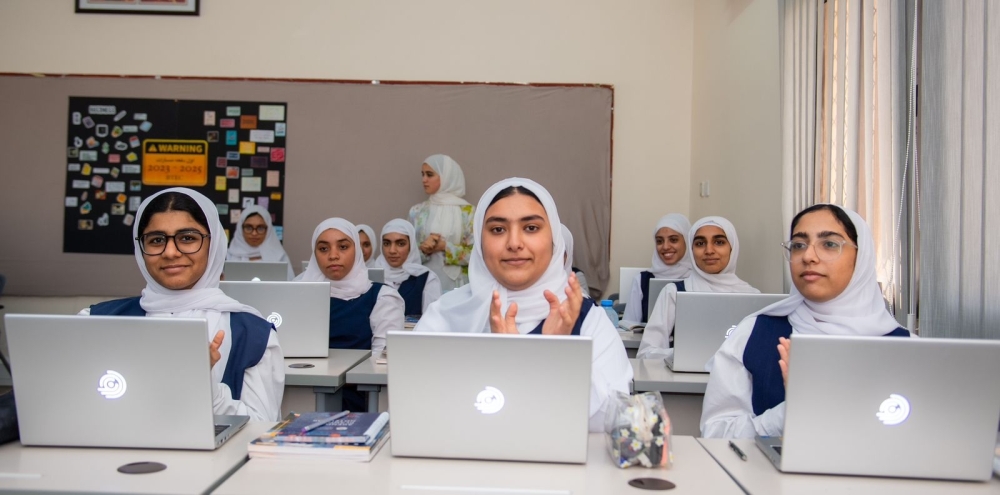
What, for example, do young learners feel about traditional classrooms which are teacher-centric? What suggestions do they have about how teaching and learning can change to make it more constructive? What strategies make them retain information and ask questions and what forms of teaching leave them unmotivated?
The answers to these questions are not always predictable. School students, for example, often show preference for teachers to speak in class rather than watching videos most of the time, according to research. A gentle hand holding seems better than passively sharing digital shows with little to no clear instructions which are culturally and linguistically appropriate.
Nor is hosting endless sessions of using AI in classes. Already, the novelty that Artificial Intelligence brought with it is waning as students realise that they are spending just as much time editing the text it has produced as they would if they were doing an assignment themselves.
Add to this the perpetual question of the value of higher education in a weak market scenario. College degrees are simply not needed for many jobs today but our society values education for its own sake more than it does training youngsters with necessary skills which could potentially offer them higher standards of living.
Students have multiple stories to tell. One glance at social media is enough to show what they are thinking. Ranging from complaints about teachers reading from decades-old notes to the absence of technology altogether, students face the very harsh reality that education is just not giving them what they require and want today.
The solution is not to discipline students or to complain about the limitations of Gen Zs. In real terms, it involves listening to them by providing platforms for their voices. Again, research suggests that this needs to go beyond ticking off a box of having student representatives. It involves creating spaces where dialogues between students and other stakeholders is valued and constructive conversations could take place.
Empowering students today is the only way to ensure that they are given a real stake in their own futures.
Sandhya Rao Mehta
The writer is Associate Professor, Sultan Qaboos University
Oman Observer is now on the WhatsApp channel. Click here