It might seem self-evident to state that students should be at the centre of any teaching philosophy. But traditionally, teaching has mostly been teacher-centric, with information being passed on to students to be passively received.
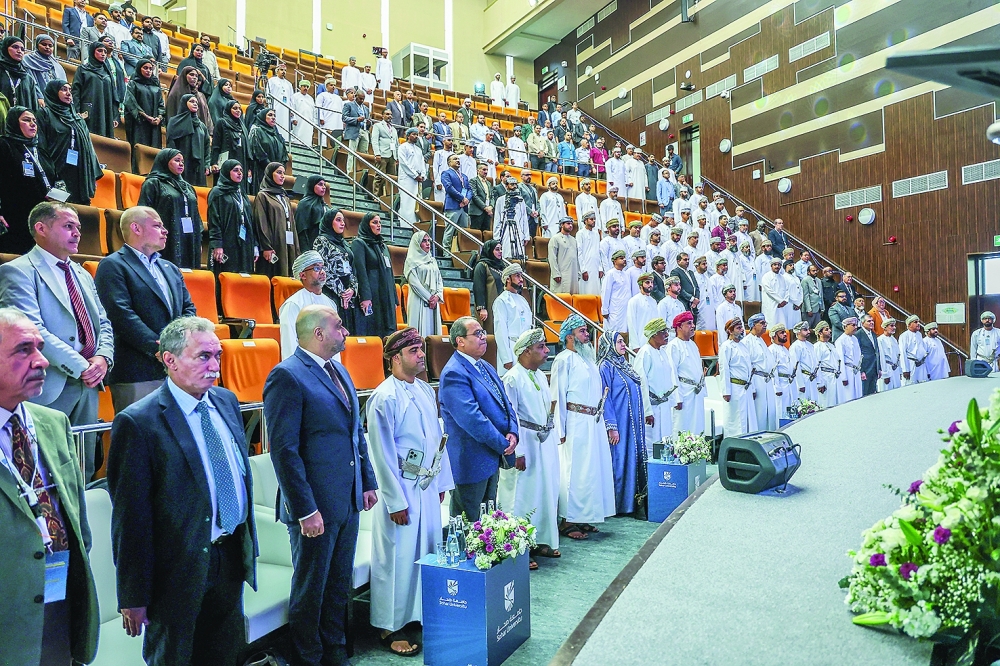
Two conferences recently held in Oman, however, testify to the way in which teaching strategies are rapidly changing.
The Oman College of Health Sciences as well as the National University of Science and Technology organised one-day conferences to explore emerging possibilities and challenges in implementing a host of student-centred pedagogies in the classroom.
The fact that educational research has shifted from teaching to learning itself suggests a change in focus from providing information to offering processes of information retrieval and development of soft skills.
This has a direct impact on creating educational policies at every level. Increasingly, it can be seen that changing learner needs are being recognised at the level of policy, often initiated by learners themselves.
In fact, studies show that considering student opinions can “increase academic motivations, strengthen reports of positive school climates and boost students’ overall perceptions of school”. It can also ensure representation of learners at every level and with diverse access to educational opportunities.
There are many ways in which learners can offer constructive intervention in educational policies, particularly at the tertiary level. These include being engaged in student societies through organisational activities. Such engagement creates a direct relation between students and administration, making it possible for student voices to be amplified.
Being aware of teaching and learning strategies of educational institutions enables students to take on the responsibility of their own education, giving them agency and choice in implementing learning strategies.
Collaborating with other stakeholders like teachers, parents, administrators and the community creates a better understanding of the link between students with their environment, potentially creating opportunities for shared responsibility of learning.
The OECD (Organization for Economic Cooperation and Development), for example, states that “connecting population groups outside the education system to the labour market appears to remain a policy priority in education systems”.
Engaging with small research which includes various stakeholders like fellow students, teachers and administrators will keep students aware of emerging issues in education. Offering platforms for disseminating such research would provide invaluable input for teachers and policymakers to stay tuned to changing needs of the learners.
Using technology is an important way to amplify voices of learners and create awareness of emerging and future market needs. It is also an invaluable channel of communication between students and administrators in so far as it ensures access to everybody to raise concerns and make suggestions.
A learner-centric educational system is the only viable form of education today. Giving agency to learners gives them an opportunity to understand the complexity of the educational system and allows them to reflect and offer possible solutions and recommendations.
In a world where independent and life-long learning is being encouraged, students need to learn to be in charge of their own education and their voices need to be heard by all stakeholders.
Oman Observer is now on the WhatsApp channel. Click here