




BUSINESS REPORTER
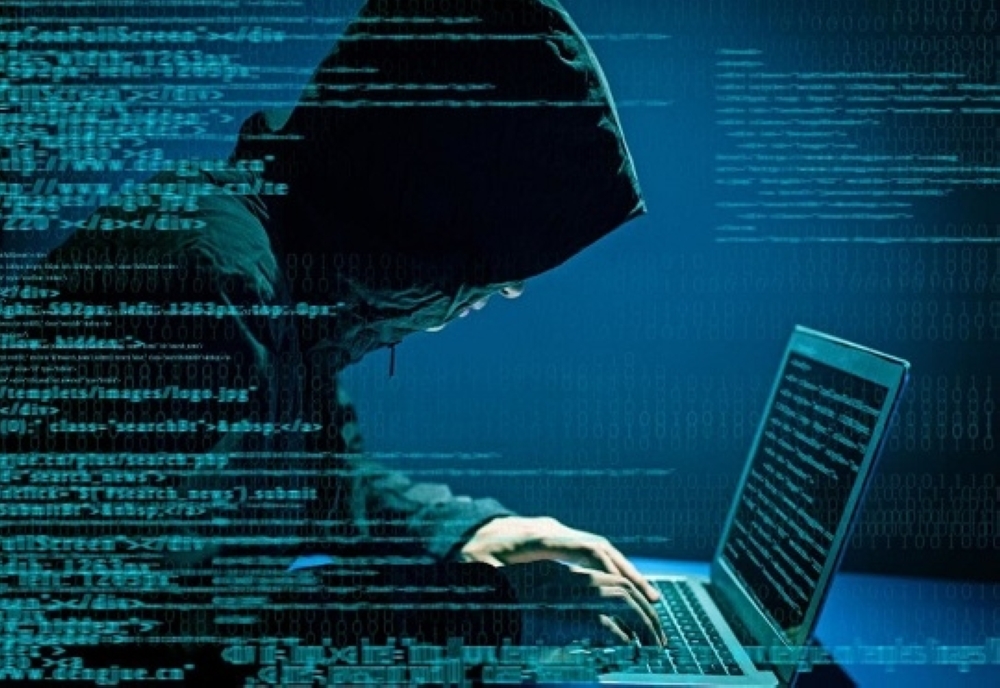
MUSCAT: A new survey by Sophos, a global leader in next-generation cybersecurity, has revealed that education institutions — both higher and lower education — are increasingly being hit with ransomware, with 60 per cent suffering attacks in 2021 compared to 44 per cent in 2020. Education institutions faced the highest data encryption rate (73 per cent) compared to other sectors (65 per cent), and the longest recovery time, with 7 per cent taking at least three months to recover — almost double the average time for other sectors (4 per cent).
Key findings from the survey report, titled ‘The State of Ransomware in Education 2022’:
Education institutions report the highest propensity to experience operational and commercial impacts from ransomware attacks compared to other sectors; 97 per cent of higher education and 94 per cent of lower education respondents say attacks impacted their ability to operate, while 96 per cent of higher education and 92 per cent of lower education respondents in the private sector further report business and revenue loss
Only 2 per cent of education institutions recovered all of their encrypted data after paying a ransom (down from 4 per cent in 2020); schools, on average, were able to recover 62 per cent of encrypted data after paying ransoms (down from 68 per cent in 2020)
Higher education institutions in particular report the longest ransomware recovery time; while 40 per cent say it takes at least one month to recover (20 per cent for other sectors), 9 per cent report it takes three to six months
“Schools are among those being hit the hardest by ransomware. They’re prime targets for attackers because of their overall lack of strong cybersecurity defences and the goldmine of personal data they hold'', said Chester Wisniewski, principal research scientist at Sophos.
“Education institutions are less likely than others to detect in-progress attacks, which naturally leads to higher attack success and encryption rates. Considering the encrypted data is most likely confidential student records, the impact is far greater than what most industries would experience. Even if a portion of the data is restored, there is no guarantee what data the attackers will return, and, even then, the damage is already done, further burdening the victimised schools with high recovery costs and sometimes even bankruptcy. Unfortunately, these attacks are not going to stop, so the only way to get ahead is to prioritise building up anti-ransomware defences to identify and mitigate attacks before encryption is possible.”
Interestingly, education institutions report the highest rate of cyber insurance payout on ransomware claims (100 per cent higher education, 99 per cent lower education). However, as a whole, the sector has one of the lowest rates of cyber insurance coverage against ransomware (78 per cent compared to 83 per cent for other sectors).
"Four out of 10 schools say fewer insurance providers are offering them coverage, while nearly half (49 per cent) report that the level of cybersecurity they need to qualify for coverage has gone up'', said Wisniewski.
“Cyber insurance providers are becoming more selective when it comes to accepting customers, and education organisations need help to meet these higher standards. With limited budgets, schools should work closely with trusted security professionals to ensure that resources are being allocated towards the right solutions that will deliver the best security outcomes and also help meet insurance standards.”
Oman Observer is now on the WhatsApp channel. Click here