


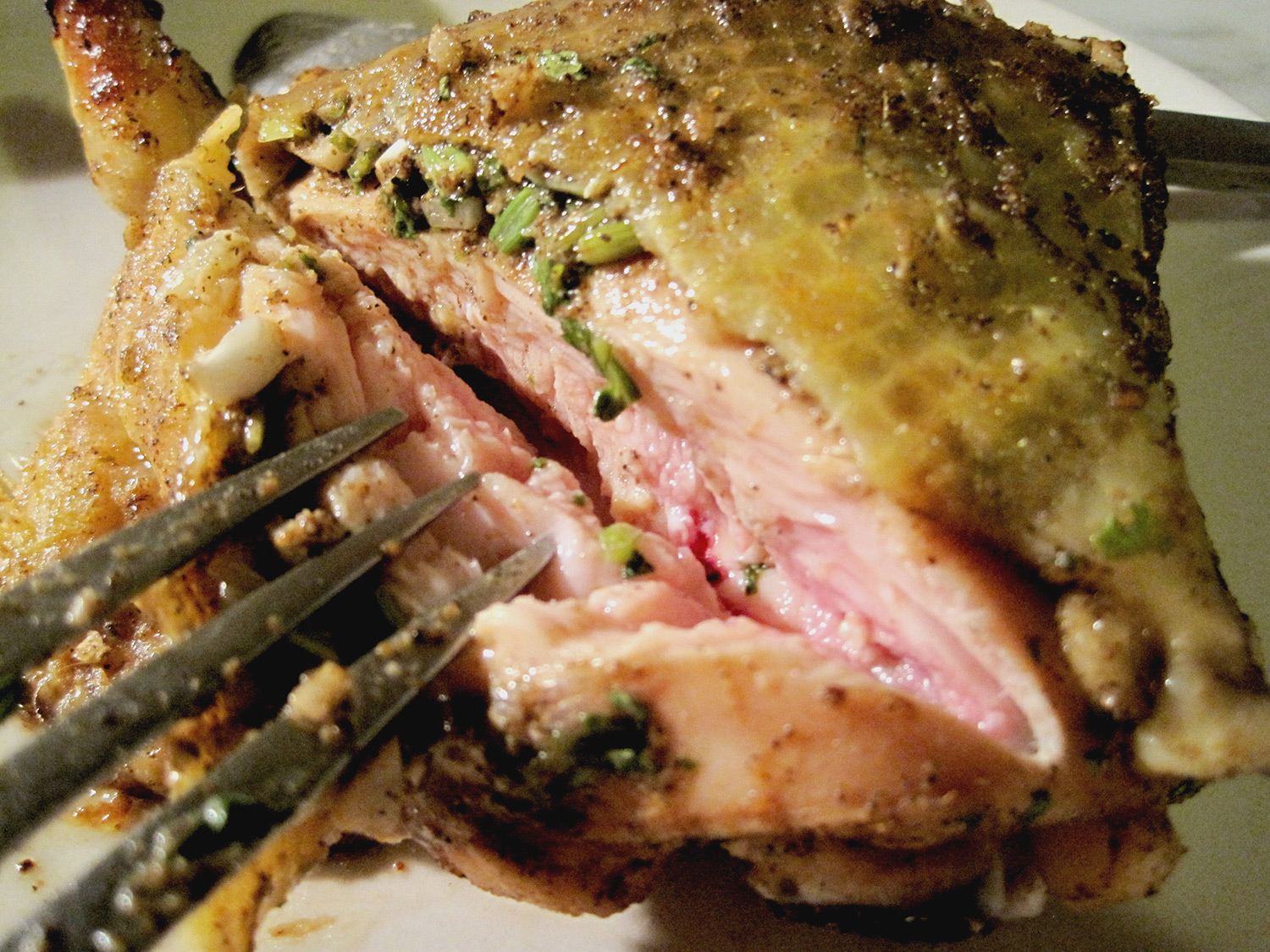





US researchers have identified a bacterium, commonly found in undercooked chicken, that may cause Guillain-Barre Syndrome (GBS).GBS is an autoimmune disorder and is the world’s leading cause of acute neuromuscular paralysis in humans.
The research showed that if chicken isn’t cooked to the proper minimum internal temperature, bacteria — Campylobacter jejuni — which still exist in the food can trigger GBS.
“The study showed that it takes a certain genetic makeup combined with a Campylobacter (bacteria) strain to cause this disease,” said lead author Linda Mansfield, Professor at the Michigan State University, in the US.
Further, most of the bacteria strains were found to be antibiotic-resistant, with some causing more harm than good.
Use of certain antibiotics aggravated neurological signs, lesions and the number of immune antibodies that can mistakenly attack a patient’s own organs and tissues.
The exact cause of this autoimmune disease is still uncertain, although some studies have linked GBS with the Zika virus, the researchers said.
Campylobacter jejuni is also known to trigger other autoimmune disorders such as inflammatory bowel disease and Reiter’s arthritis.
In the study, the reseachers successfully produced three preclinical models of GBS that represent two different forms of the syndrome seen in humans.
Many patients with GBS are critically ill and cannot participate in clinical trials.
The study was published in the Journal of Autoimmunity. — IANS
Oman Observer is now on the WhatsApp channel. Click here


