




DUBAI - Importers across the Gulf are scrambling to secure alternative routes for vital goods - from food to medicines and factory supplies - as the effective closure of the Hormuz Strait blocks ports in an import-dependent region.
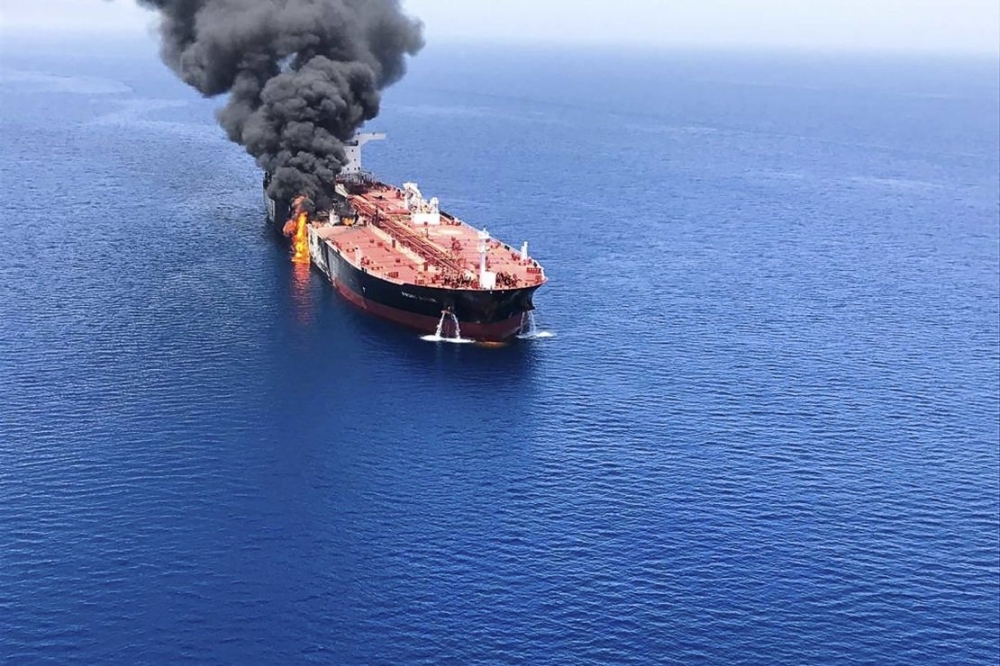
The halt to commercial navigation through the critical shipping chokepoint brought on by the U.S.-Israeli war on Iran has disrupted Gulf nations' oil exports, roiling global energy markets.
But the closure is also forcing a rapid and costly supply chain rethink to maintain the flow of essential imports, with logistics companies racing to overcome the headaches of changing vessel destinations, moving goods overland, and keeping perishable items from spoiling.
"The price of supplies will go up quite dramatically," said Ronan Boudet, head of containers at data analytics firm Kpler.
"Trucking from any port to Dubai would probably be (multiple) times the price of the ocean freight."
CRISIS LEADS TO DESTINATION DIVERSIONS, OVERLAND ROUTES
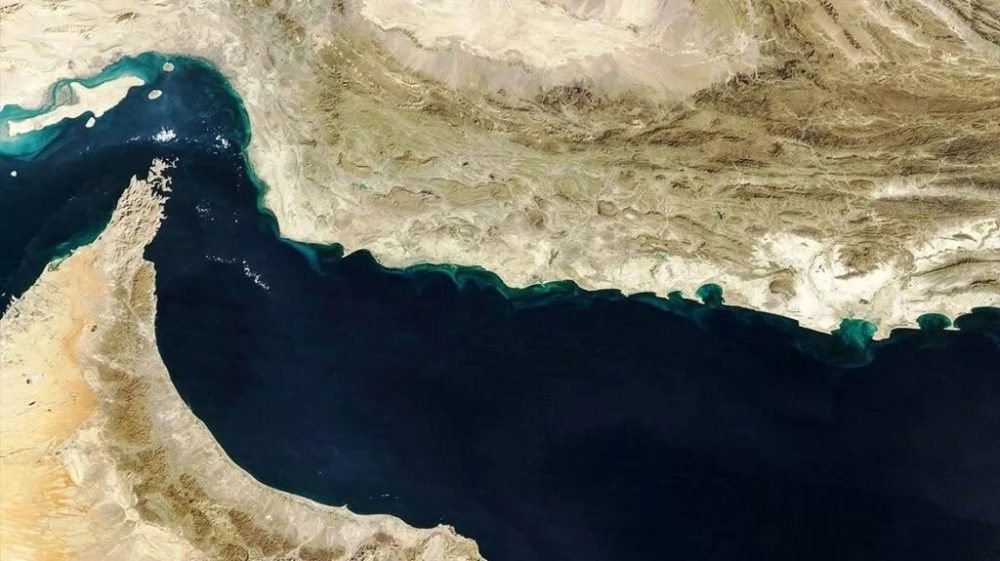
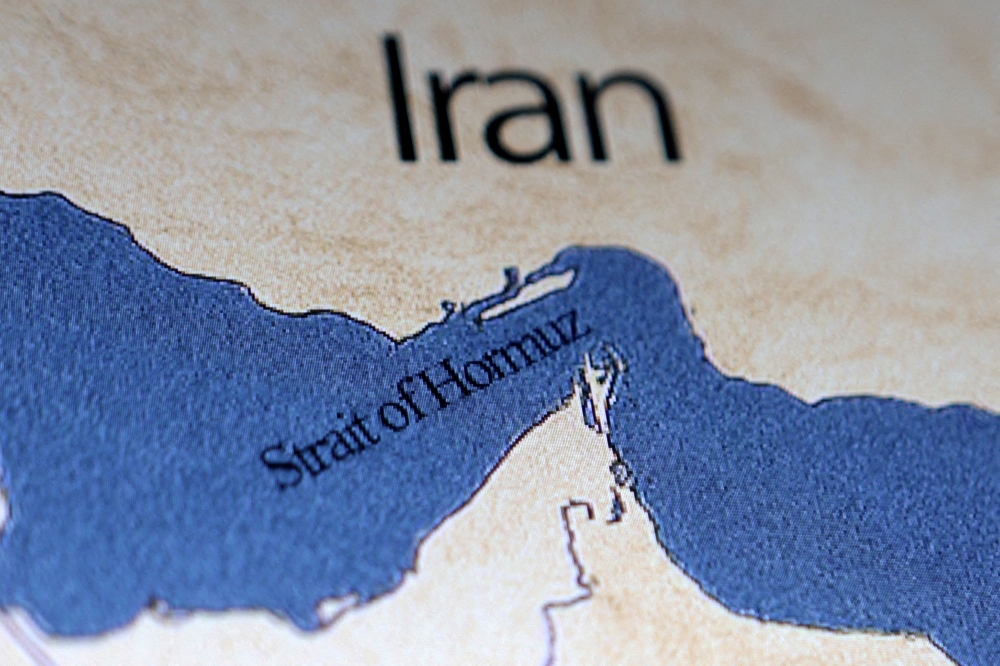
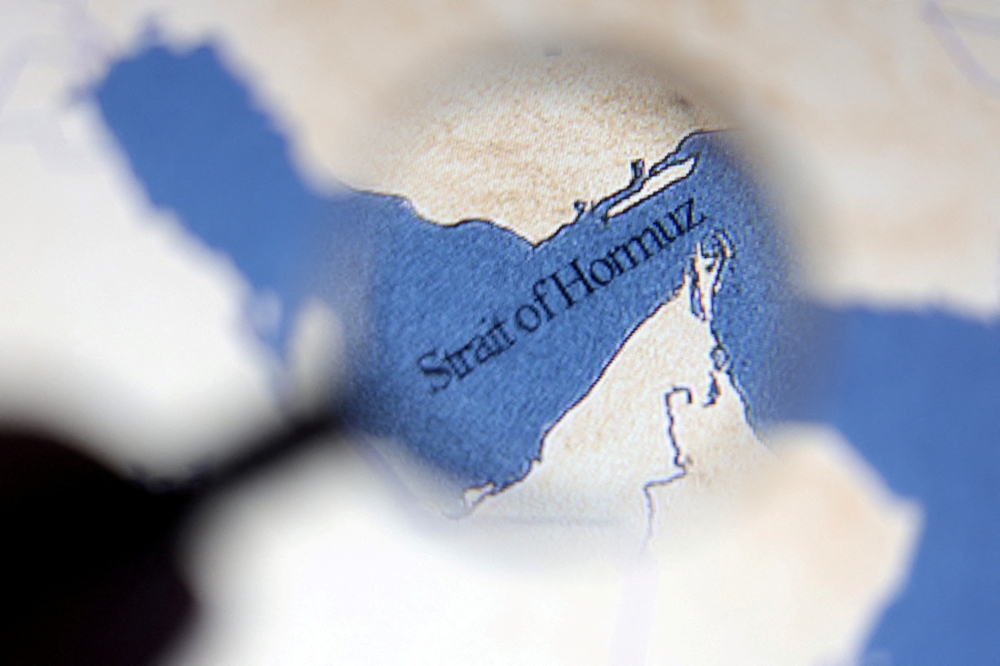
According to Kpler, 81 container vessels were bound for ports inside the Strait of Hormuz on February 28, just before the war erupted. Since then, 43 have rerouted to other Gulf ports, with the rest diverted away from the Gulf region entirely.
Due to its arid climate, the bulk of the Gulf's food is imported, with around 70% passing through the Strait of Hormuz and onwards to major ports like Dubai's Jebel Ali.
While the blockage has affected all imports, including consumer and industrial goods, food supplies are particularly vulnerable.
As an example, Christophe Belloc, of the French fruit and vegetable industry association Interfel, pointed to shipments totalling around 5,000 metric tons of French apples bound for Dubai but currently stuck in transit.
The goods were hit with a 900,000 euro ($1 million) maritime surcharge in the first days of the war. And the exporters, including Belloc's own company Blue Whale, are now attempting to divert to other ports.
That will not be easy, since the shipment's phytosanitary paperwork is tied to the original destination country. But Belloc said there is little choice.
"We're dealing with perishable goods," he said. "We can handle a 15-day delay, but not much more."
Cargoes are diverting to ports outside the Hormuz Strait, like Fujairah and Khor Fakkan in the UAE and Oman's Sohar, before using trucks to move containers to their original destinations.
Those ports lack the capacity of larger facilities like Jebel Ali, however, creating delays.
"Port operators are responding, additional gate lanes are being opened, and operating hours are being extended. But there is congestion, thus clearance times have increased," said Gaurav Biswas, CEO of logistics company TruKKer.
To cope with the surge in demand for ground transportation, TruKKer plans to scale up from 60 daily truck moves to 500.
But Biswas said cross-border shipments are being held up by extra border checks with heavier-than-normal loads taking longer to clear, and the company has lifted prices by 5% to 15% on Saudi-bound routes due to higher fuel costs, extra complexity, and strong demand.
NO SAFE PORT IN THE STORM
Though unaffected by the Hormuz closure, regional ports outside the strait remain vulnerable.
The port of Fujairah handles containers but is also home to a major crude export terminal that has come under repeated Iranian attack.
Duqm and Salalah ports in Oman have also been targeted by Iran.
Companies will face further delays and even higher costs should alternative routes shut down, said a supply-chain manager at a fast-moving consumer goods firm.
Faced with such risks, some Gulf retailers are bypassing the ports entirely. Supermarket operator Lulu Retail, for example, has already airlifted in at least 160 tons of meat and fresh produce this month and plans further air shipments to maintain stock levels at its stores in the UAE.
But major regional air hubs, including Abu Dhabi and Doha, have also been disrupted by attacks. A drone strike on Dubai International Airport - the third such attack since the start of the war - brought air traffic to a standstill for hours on Monday.
Still, the region's supply chain challenges have yet to cause shortages. The UAE has assured that its strategic reserves of vital goods are sufficient to cover four to six months of needs.
Yuvraj Narayan, CEO of UAE-based port operator DP World, said companies are adapting.
DP World, which runs Jebel Ali and various other ports in Asia, is already seeing shippers stage goods in India and Pakistan for onward feeder runs into Fujairah and Khor Fakkan. Additional activity is expected at Red Sea hubs, including Jeddah in Saudi Arabia and Egypt's Sokhna port.
"We have already got rail and land bridges to make sure that all essential commodities required for the UAE still have a passage," said Narayan.
"There is a lot of rerouting happening."
Oman Observer is now on the WhatsApp channel. Click here