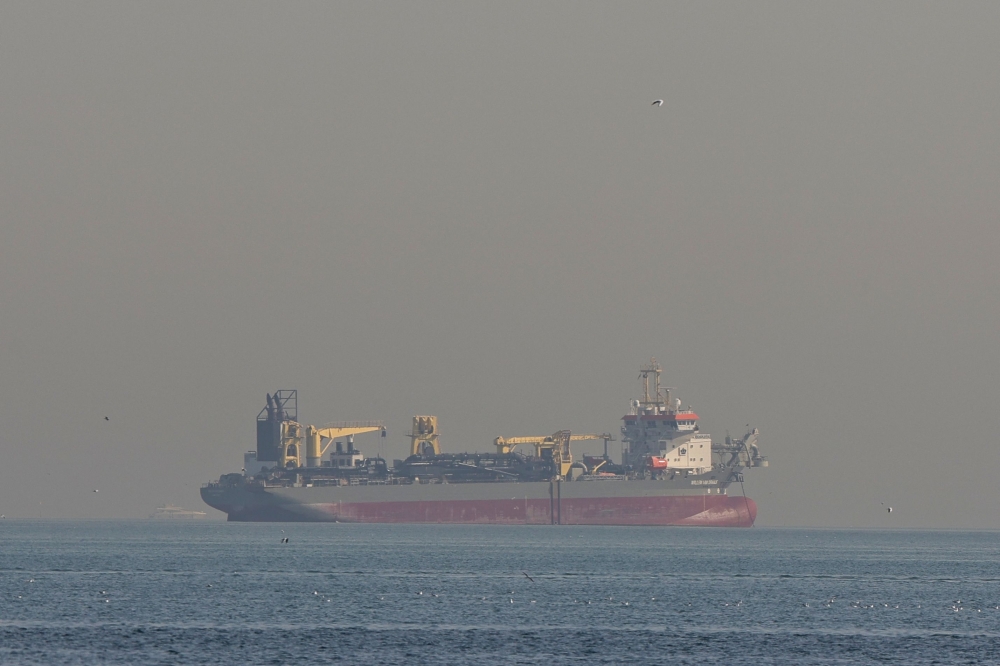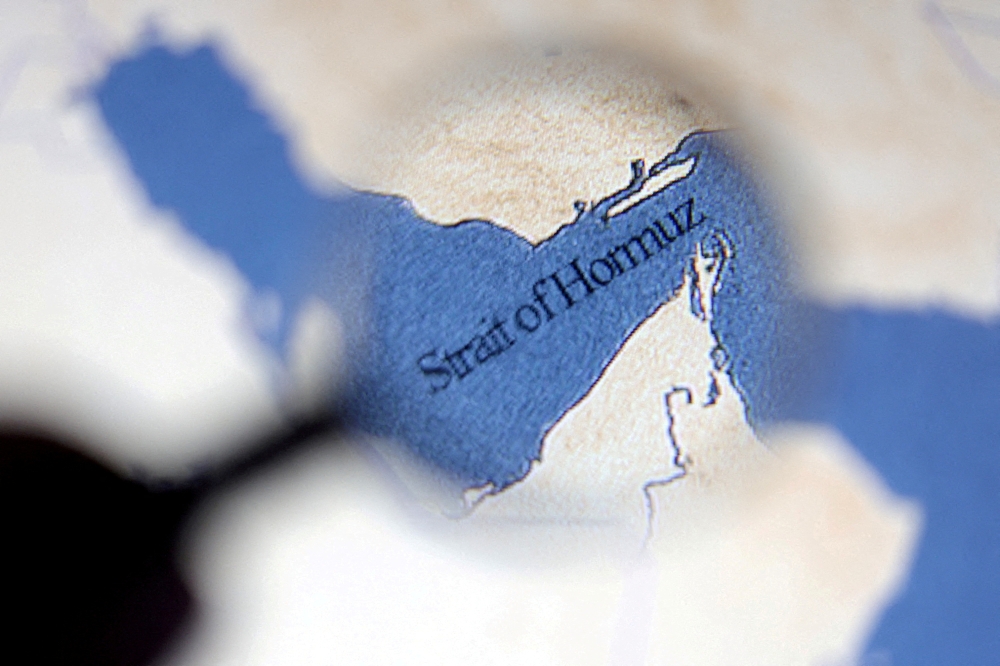





President Donald Trump on Monday demanded that US allies help secure the Strait of Hormuz, but European powers pushed back on a possible mission to reopen the vital waterway shut by Iran in response to US-Israeli attacks.
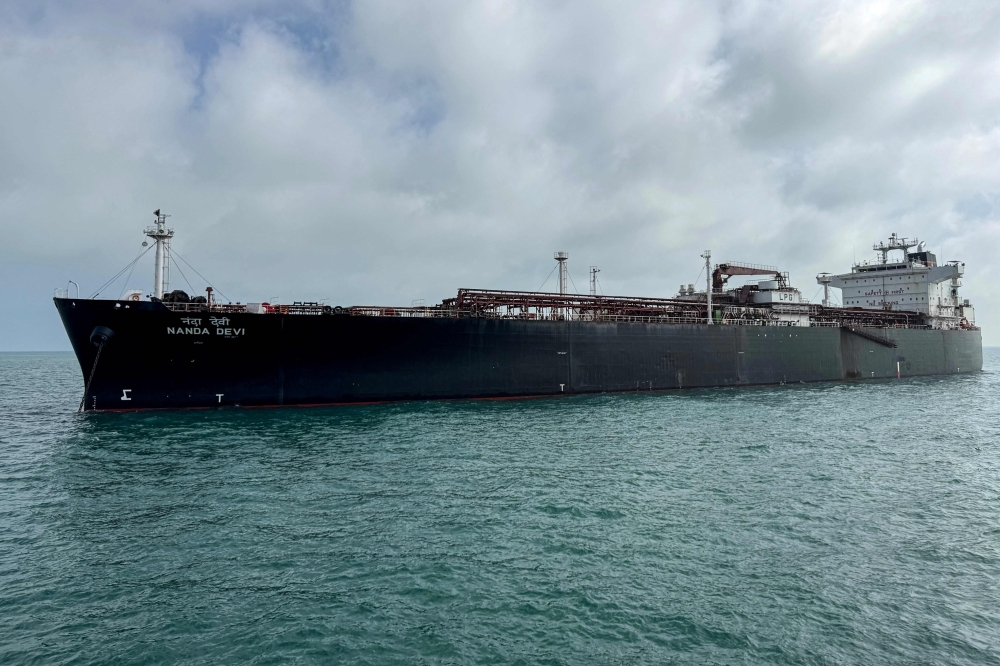
Trump criticised the lukewarm response to his call for world powers to send warships to escort tankers through the strait, which normally carries a fifth of global crude oil, demanding a more enthusiastic response.
Global oil prices have surged by 40 to 50 percent as Iran attacks shipping in the Strait of Hormuz and launches waves of missile and drone strikes in the Gulf in retaliation for the war launched by the United States and Israel on February 28.
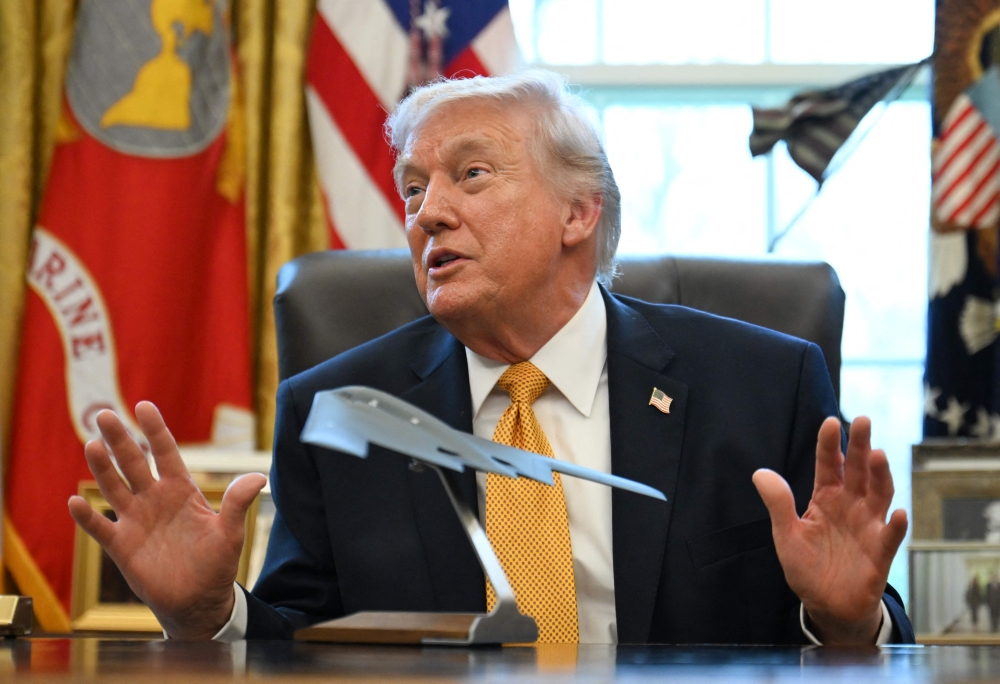
Trump said he thought Britain and France would get involved in efforts to secure the Strait of Hormuz -- but only reluctantly. "We strongly encourage the other nations to get involved with us and get involved quickly and with great enthusiasm," Trump told reporters at a White House event. British Prime Minister Keir Starmer said London was working with allies to craft a "viable" plan to reopen the strait, but ruled out a NATO mission, while Berlin also said it "has been clear at all times that this war is not a matter for NATO".
Japan, Australia, Poland, Spain, Greece, and Sweden also distanced themselves from any military involvement in the Strait of Hormuz.
EU foreign ministers discussed the war in Brussels on Monday but showed "no appetite" for extending their Red Sea naval mission to help reopen Hormuz, the bloc's top diplomat said. Trump told the Financial Times on Sunday that it would be "very bad for the future of NATO" if they refused to help. He said Monday he has asked to delay a summit with Chinese leader Xi Jinping by a "month or so."
Oman Observer is now on the WhatsApp channel. Click here