

In 2040, a child who is six today will be twenty then. They may enter professions that barely exist now, work alongside technologies we are just beginning to understand, and face challenges for which no textbook provides an answer. For them, 2040 will not be a distant national milestone. It will be the world they are stepping into as adults.
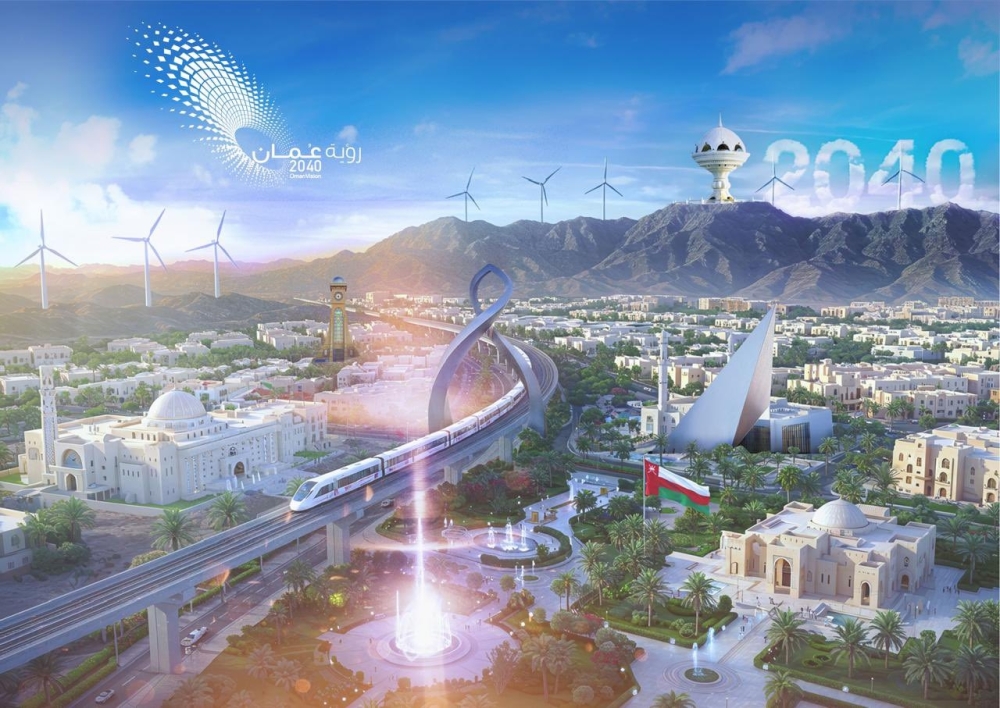
As Oman celebrates National Day 2026, this perspective gives Oman Vision 2040 a particularly human meaning. The vision speaks of a knowledge-based society, a diversified economy, sustainable development and stronger national capabilities. A recent review of its first five years shows progress, while reminding us that building a nation is an ongoing endeavour. With the 2026-2030 development plan emphasising future skills, digital transformation and environmental responsibility, what should we cultivate in people today?
It is easy to welcome new possibilities while remaining attached to familiar ways of thinking. Therefore, what must change in the way we live, learn and work today if the next generation is to thrive?
We devote considerable energy to preparing children for examinations, qualifications and careers. Indeed, these have their place. However, a rapidly changing world also requires discernment, adaptability and the aptitude to work with people whose experiences differ from our own. When artificial intelligence can produce an answer in seconds, the greater skill may be knowing whether that answer is accurate, fair or even worth asking for.
These competences begin earlier than we think. A child encouraged to investigate rather than merely memorise is practising independent thought. A teenager who learns to disagree without humiliating someone is developing the ability to collaborate. A young person given meaningful responsibility in their community discovers that citizenship involves contribution, not simply belonging.
The habits we practise privately shape the communities and institutions we create together. The same questions apply to adults. Are our workplaces nurturing people who continue learning, or rewarding only those who appear knowledgeable? Do leaders welcome thoughtful challenge, or mistake agreement for commitment? Do we celebrate how much people produce while overlooking whether they feel valued, supported and able to do their best work?
Oman Vision 2040 goes beyond technology and economics. Its priorities include education, health, social protection, national identity and environmental sustainability. That breadth matters because a prosperous society is not merely one that produces more. It is one in which people have the capacity, opportunity and responsibility to live well together.
There is something encouraging about this. Preparing the next generation does not require abandoning Oman's heritage in pursuit of modernity. Hospitality, generosity, mutual respect and care for community are not outdated values. They are qualities worth carrying into a world where information travels instantly, while genuine understanding still requires effort.
Our task is to bring those values into everyday life. At home, we can encourage children to question what they see online instead of accepting everything a screen tells them. Respect for the environment can become a daily practice, from reducing waste to caring for shared spaces. At work, different generations can exchange knowledge instead of competing over whose approach is better.
None of these changes will appear in a ribbon-cutting ceremony. Their impact is quieter, accumulating in homes, classrooms, offices and neighbourhoods. National ambitions ultimately depend on what people practise when nobody is measuring them.
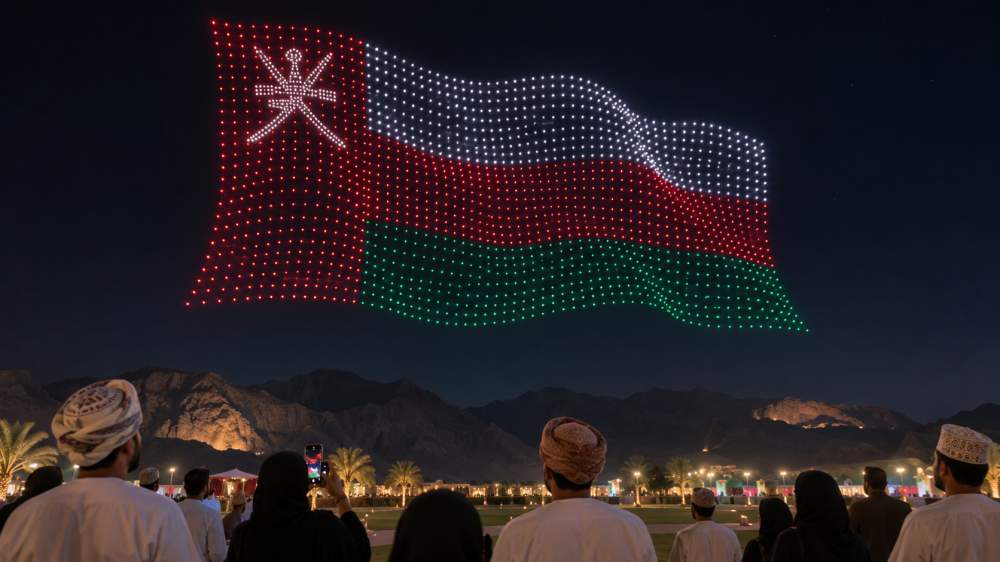
On National Day, we rightly celebrate the Oman that previous generations helped build. We should also consider the adults our children will become, and the example we are offering them now. The most important question about 2040 may not be what Oman will look like. It may be who we will have become by then.
Oman Observer is now on the WhatsApp channel. Click here