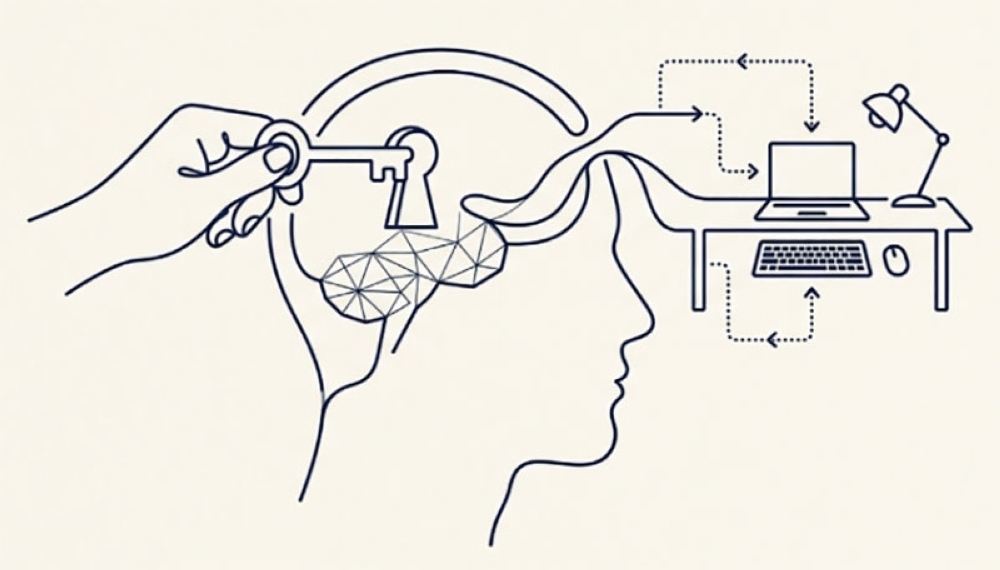
Today, Oman Daily Observer celebrates 45 years of publishing. It is an opportunity to pause, reflect, and pay tribute to a team of journalists who have not only reported the news but also made a significant contribution to raising public awareness of mental health. As a psychiatrist and a loyal reader of the Observer, I am pleased to see mental health covered throughout the year, not just on international awareness days. Quite often, I receive a text message from a journalist covering a mental health story — sometimes about an event that took place in Oman, and sometimes about a study of a new medication. What I find fascinating is how eager the reporters are to showcase the Omani narrative and make it more relevant to local readers.
Many readers do not realise that the way a story is told can affect the people who read it. This phenomenon is especially true when the story is about suicide. Researchers have found that when the media gives a lot of attention to the suicide of a famous person, more suicides tend to follow in the weeks after. The risk is greatest when the story describes how the person died, and as reader who is already struggling may see themselves in the story and begin to think of suicide as a way out.
The good news is that the opposite is also true. Stories about people who went through a very dark time, found help, and recovered appear to protect readers. Hearing that others have come through a crisis gives hope and shows that support is available. A story of hope can be as powerful as a story of loss.
For this reason, the World Health Organization produced guidance for journalists advising to avoid making suicide the top story, or describing the method or the place in detail, or posting photographs or videos of the scene.
The same care applies to mental illness in general. Many newspaper stories often link mental illness with violence, while very few describe people who have been treated and recovered. This gives a false picture, as in reality, most people with a mental illness are not violent, and many recover well with the right support. When the news keeps linking the two, it feeds stigma, and stigma can make people reluctant to seek help.
In today's world, where social media platforms abound, each of us acts as a publisher. A forwarded voice note, a photograph shared in a family group, or a rumour about why someone died can travel across the country in minutes. Before sharing, ask yourself: Is this accurate, is it respectful, and could it hurt someone who is already struggling?
Families who have lost a loved one to suicide also deserve our kindness. Their grief is often made heavier by gossip and blame. What they need is support and privacy, not speculation.
Finally, if you are going through a difficult time, please remember that thoughts of suicide are a sign of distress, not weakness. Talk to someone you trust, see your doctor, or go to the nearest emergency department if you feel unsafe. Help is available, and recovery is possible.
For 45 years, the Oman Observer has helped its readers understand the world around them. Used with care, words can also help people understand mental illness, seek help early, and, sometimes, stay alive.
Oman Observer is now on the WhatsApp channel. Click here