




Mental health conditions should not prevent people from pursuing their careers or fulfilling their professional ambitions, a leading psychiatrist has said, calling on employers to create supportive workplaces and adopt policies that protect employees from discrimination.
The issue came into focus as Oman marked World Mental Health Day under this year's theme, 'Lived experiences heard: real voices, real change', which highlights the importance of involving people with direct experience of mental health conditions in shaping policies, support services, legislation and treatment frameworks.
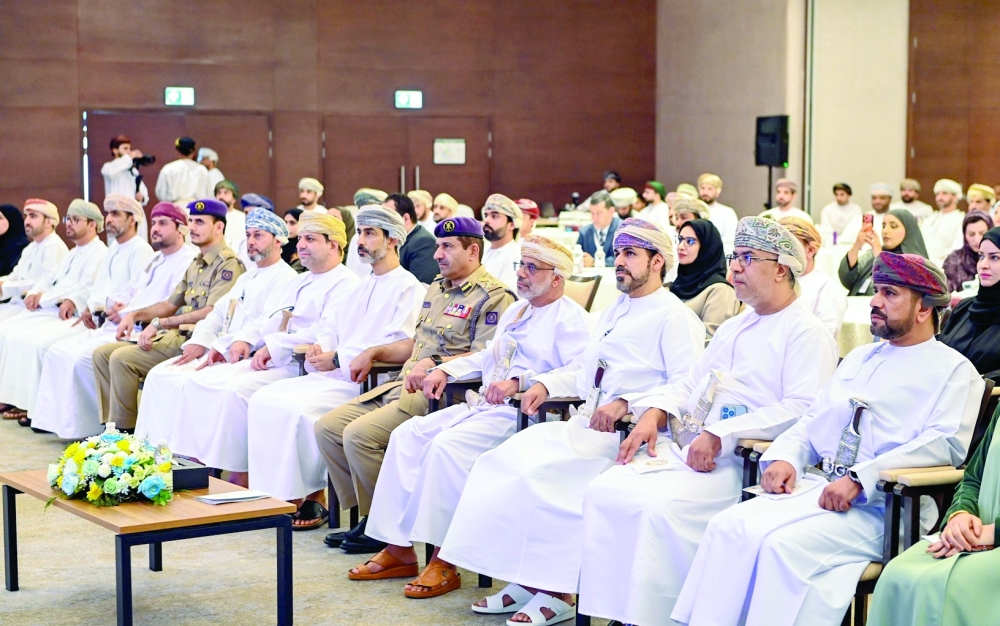
Al Masarra Hospital hosted the Oman International Mental Health Conference 2026 at IntercityHotel Muscat in Al Khuwair, bringing together specialists in psychiatry, child and adolescent medicine, forensic psychiatry, clinical pharmacy, innovation and scientific research.
Stress is a natural response to pressure and can help people remain alert and respond to challenges in the short term. However, prolonged or unmanaged stress can contribute to anxiety, depression and burnout. Mental health conditions can also make everyday responsibilities, work and treatment more challenging.
The effects of workplace stress vary from person to person, as several individuals who spoke to Observer shared their experiences.
One employee, who commutes daily from Barka to Al Qurum, said the journey takes about two hours each way, leaving him exhausted and struggling to concentrate at work.
“By the time I reach the office, I am drained of energy, distracted and find it difficult to concentrate. When I return home, I am caught in traffic, and by the time I reach home, I am exhausted,” he said.
Khadeeja, who was initially excited about joining a new job, said the workplace environment had gradually become difficult to cope with.
“The atmosphere at the workplace is so toxic that even small conversations become aggressive. The next day, once again, you prepare to be defensive,” she said, adding that the experience had left her feeling constantly tired.
Dr Madiha, a physician, said difficulties with her supervisor affected her health to such an extent that she considered retiring at the age of 40.
“I just could not cope with the work environment, so I decided to retire by 40 years. However, I realised I needed to be financially independent,” she said.
She eventually left the medical profession and moved into business, where she is now thriving and travelling.
Sameer, who works in the security sector, continues to struggle with his sleep patterns, highlighting how work-related pressures can affect employees in different professions.
While many people continue to manage their daily responsibilities despite these challenges, others experience mental health difficulties that significantly affect their ability to function.
Dr Hamed al Sinawi, senior psychiatrist at Sultan Qaboos University Hospital, said this year's World Mental Health Day theme goes beyond encouraging people to share their experiences. It also calls for their meaningful participation in decisions about the services and support they receive.
“It also means including people with mental health problems in the workforce and allowing them to fulfil their dreams without any discrimination,” he said.
Dr Al Sinawi noted that sharing lived experiences has long helped the public understand the challenges faced by people with mental health conditions, their recovery journeys and the support they need. However, in many institutions, this awareness has not been translated into effective policies.
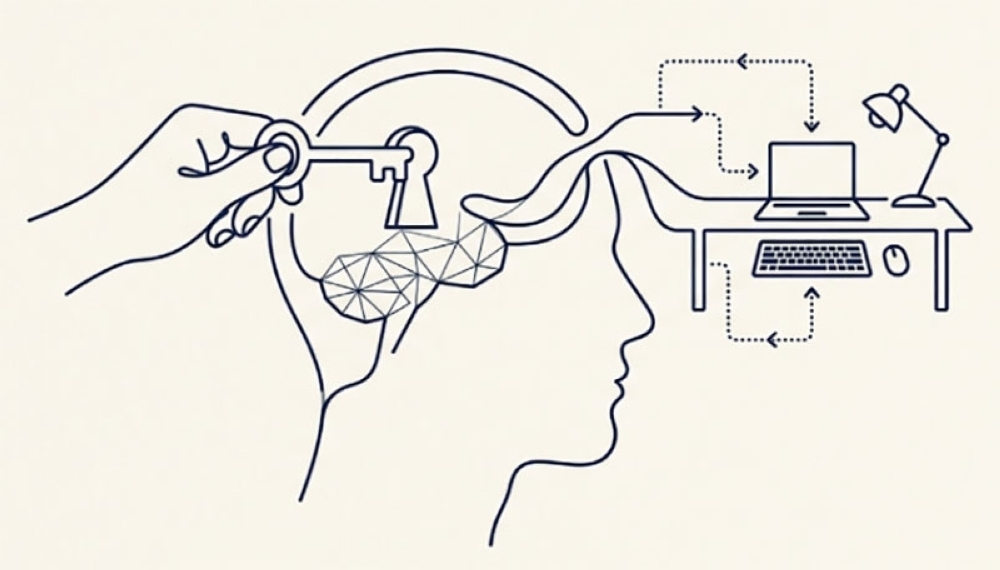
He urged organisations to promote healthier workplaces by addressing work-related stress and occupational burnout and providing employees with access to psychological support when needed.
Employers should also consider regularising working hours, allowing remote work where appropriate and organising activities outside the workplace that encourage social interaction and improve well-being.
“From my clinical experience, everybody is at risk of developing mental health issues. I have come across doctors, nurses, company managers, teachers and professors who had at some point in their life developed some form of mental illness,” he said.
Such conditions, he stressed, do not automatically prevent people from being productive members of an organisation. Employers should instead introduce policies that empower affected employees, support their recovery and help them maintain their professional lives.
Confidentiality is another important consideration. Fear that personal information may become public, along with concerns about stigma and judgement, can discourage employees from seeking help.
Dr Al Sinawi said organisations should establish policies that protect confidentiality and respect privacy, while ensuring employees can access private mental health services outside working hours.
Creating supportive workplaces, he concluded, requires organisations to move beyond awareness campaigns and ensure that employees experiencing mental health difficulties are treated with dignity, given appropriate support and allowed to contribute without discrimination.
Oman Observer is now on the WhatsApp channel. Click here