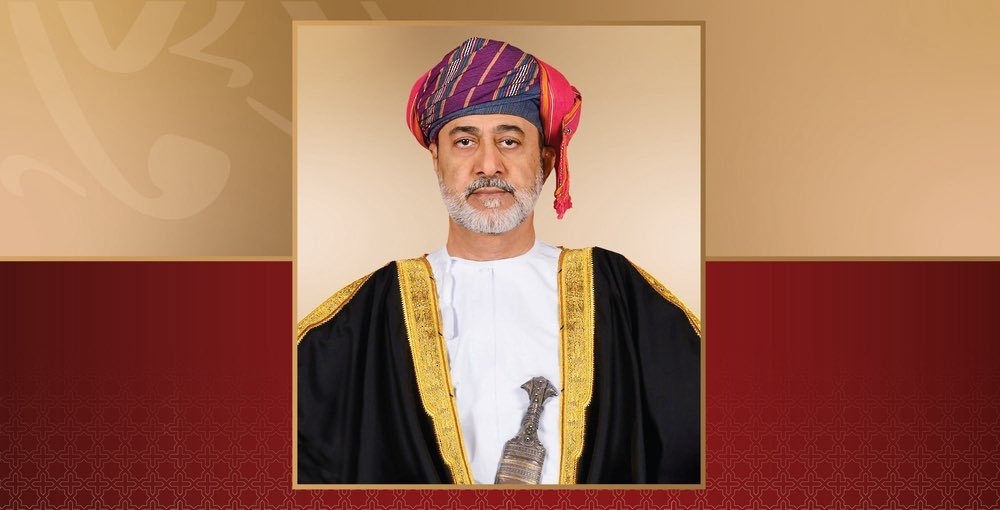
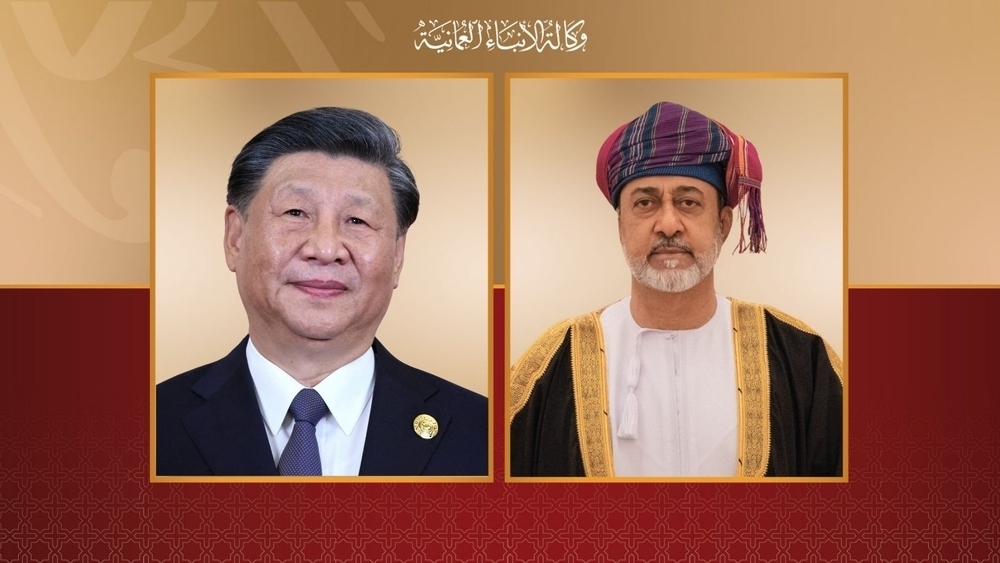
As His Majesty Sultan Haitham bin Tarik begins his state visit to China on Sunday, November 1, attention will be focused on the developments and announcements emerging from his meetings. But I think there is another way to look at this visit. What can happen when two very different countries work together?
China is known for its factories, technology and ability to make large amounts of goods. Oman has its own strengths: a good location, major ports, oil and gas, and plans to build new industries. We do not need China's large population or its many factories. Each country has something different to offer.
This visit is special because it will be the first time an Omani head of state has visited China since the two countries began official relations in 1978. China is now one of Oman's biggest trading partners. But there is more to this relationship than buying and selling goods. What else can the two countries make, build and learn together?
The link between Oman and China is much older. More than a thousand years ago, Omani sailors travelled from Sohar to Chinese ports such as Guangzhou, carrying goods across the sea. Imagine such a journey without GPS, weather reports, or mobile phones! Those sailors helped people in distant places buy, sell and learn from one another.
Oman's location was important then, and it is still important today. Our sailors once used the sea to reach faraway markets. Today, modern ports and industrial areas connect Oman with many countries. The ships have changed, but our location remains a strength.
Duqm, Sohar and Salalah are examples. These places are not just for ships to load and unload goods. They can also have factories, warehouses and other businesses. China has experience in these areas. So why should we only buy and sell products? We could make more things in Oman with Chinese technology and experience, and sell them to other countries.
Energy is another area to think about.
Oman has plenty of sunshine, strong winds in some places and plans to produce green hydrogen. China has experience in making solar panels, wind turbines and other energy equipment. Working together could mean teaching Omanis how to use and repair equipment, and hopefully making some of it here. After all, buying a machine is one thing. Knowing how to use and fix it is another.
Technology is also changing our lives. We hear about artificial intelligence almost every day. Sometimes it feels as though AI is expected to solve every problem! But it can indeed help ports work faster, factories waste less, hospitals improve services and teachers support students. China has made great progress in technology, and Oman is working to use more digital tools.
This brings me to how very important education and training are. A factory can have the best machines, but it still needs people who know how to use and fix them. If we want new industries in Oman, we need people (Omani people, that is) with the right skills. This is part of Oman Vision 2040: preparing people to take part in the country's growth.
We already have links in education. Chinese is taught in some Omani schools, some Omani students have received scholarships to study in China, and Omani workers and officials have joined training programmes. Imagine Omani students training in Chinese factories, or researchers from both countries working together on energy and technology. I am sure you would agree this would help young Omanis prepare for future jobs.
We should not forget small businesses. When we hear about foreign investment, we often think of huge factories and projects that cost millions. But these projects also need transport companies, suppliers, repair services and other local businesses. An Omani company does not have to own a factory to take part. Even offering one useful service could help it grow.
Of course, not everything that works in China will work in Oman. Our countries differ in size, population and needs. We should learn from China's experience, but choose what is best for Oman. The aim is not to copy China, but to use what we learn to reach our own goals under Oman Vision 2040.
There is also a bigger picture. Safe sea routes, steady energy supplies and peace in the region matter to both countries. Oman has long valued dialogue and good relations with other nations. This allows Oman to work with others while making its own choices about its future.
During His Majesty's visit, people will be interested to know what agreements may be signed. I will be interested too. But I also think about what could happen later. An Omani worker will learn a new skill, a local business will join a large project, or a university will work with Chinese researchers. These may sound like small things, but they can make a big difference.
Our ancestors once sailed thousands of miles to reach China. Today, we can travel and talk to people much faster, but we still wish to learn, trade and explore.
His Majesty's visit reminds us that Oman and China have been connected for a long time. It also gives us a chance to think about the Oman we want to build: a country that makes good use of its strengths, learns from the world, develops its people's skills and moves forward with confidence.
Oman Observer is now on the WhatsApp channel. Click here