

For visitors from the Middle East, particularly Oman, China’s Xinjiang region offers a fascinating blend of cultural familiarity and discovery. From mosques and bustling bazaars to ancient irrigation systems reminiscent of Oman’s aflaj, the region holds unexpected connections to the Arabian Peninsula, alongside landscapes ranging from vast deserts to snow-covered mountains.
The Xinjiang Uygur Autonomous Region, in north-western China, offers a diverse travel experience, with Urumqi, its capital, serving as a gateway to historic towns, natural wonders and modern urban attractions. Nearby Turpan reveals the region’s remarkable geographical and cultural diversity. Travellers from Oman can reach Xinjiang via connecting flights through regional hubs such as Almaty in Kazakhstan or Tashkent in Uzbekistan.
Islam is deeply rooted in many Uyghur communities, evident in the presence of mosques, traditional markets and distinctive local customs. The Uyghur language, written in an Arabic-derived script, adds another familiar element for Arabic-speaking visitors. These cultural connections, combined with the warmth and hospitality of local people, make Xinjiang an intriguing destination for Omani travellers.
The region was a crucial crossroads along the ancient Silk Road, connecting China with Central Asia, the Middle East and Europe. Merchants transported silk, spices and other goods through its oasis towns, while religions, ideas and cultural traditions travelled alongside them. This legacy remains visible in its historic sites, museums and traditional marketplaces.
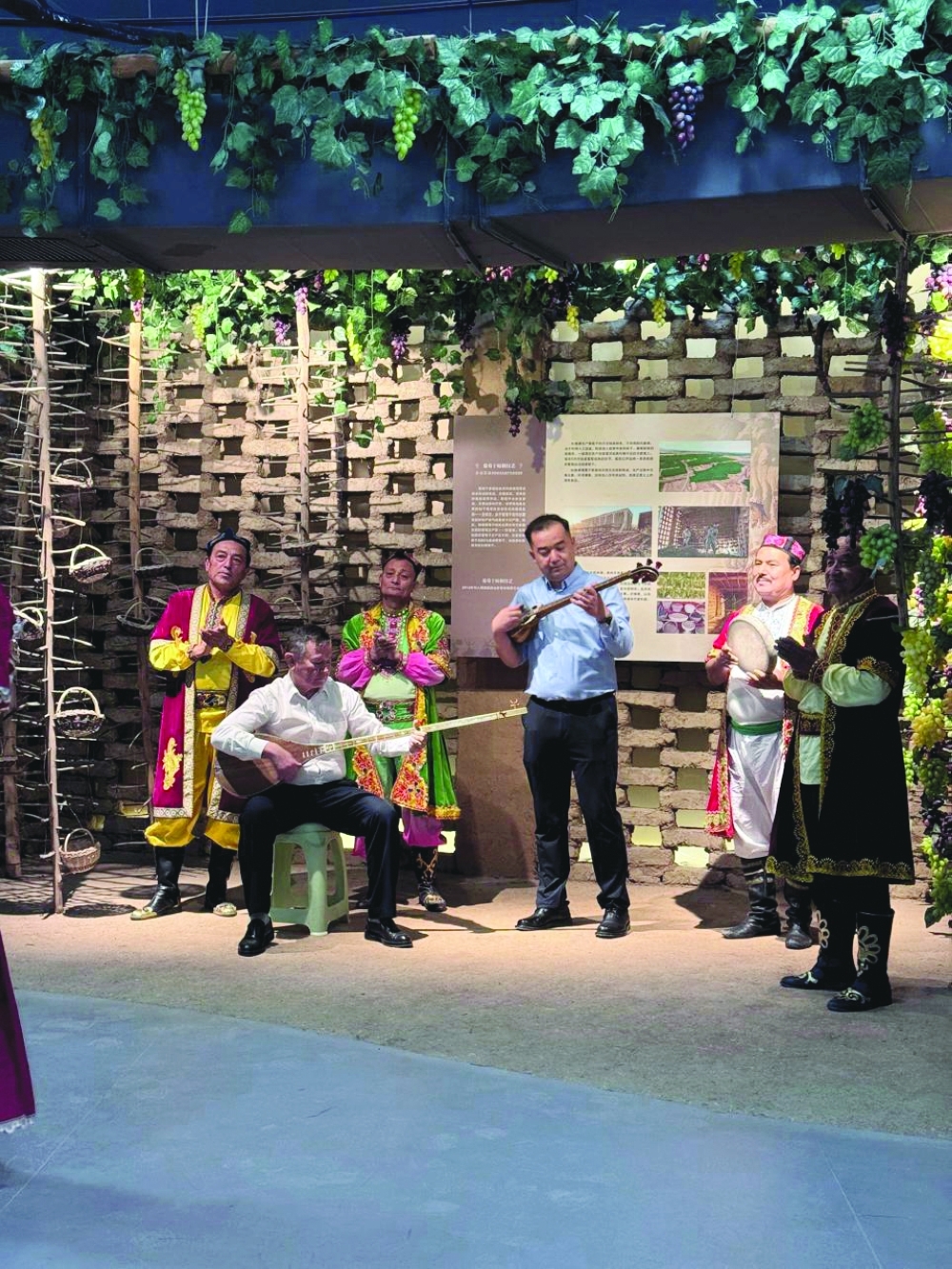
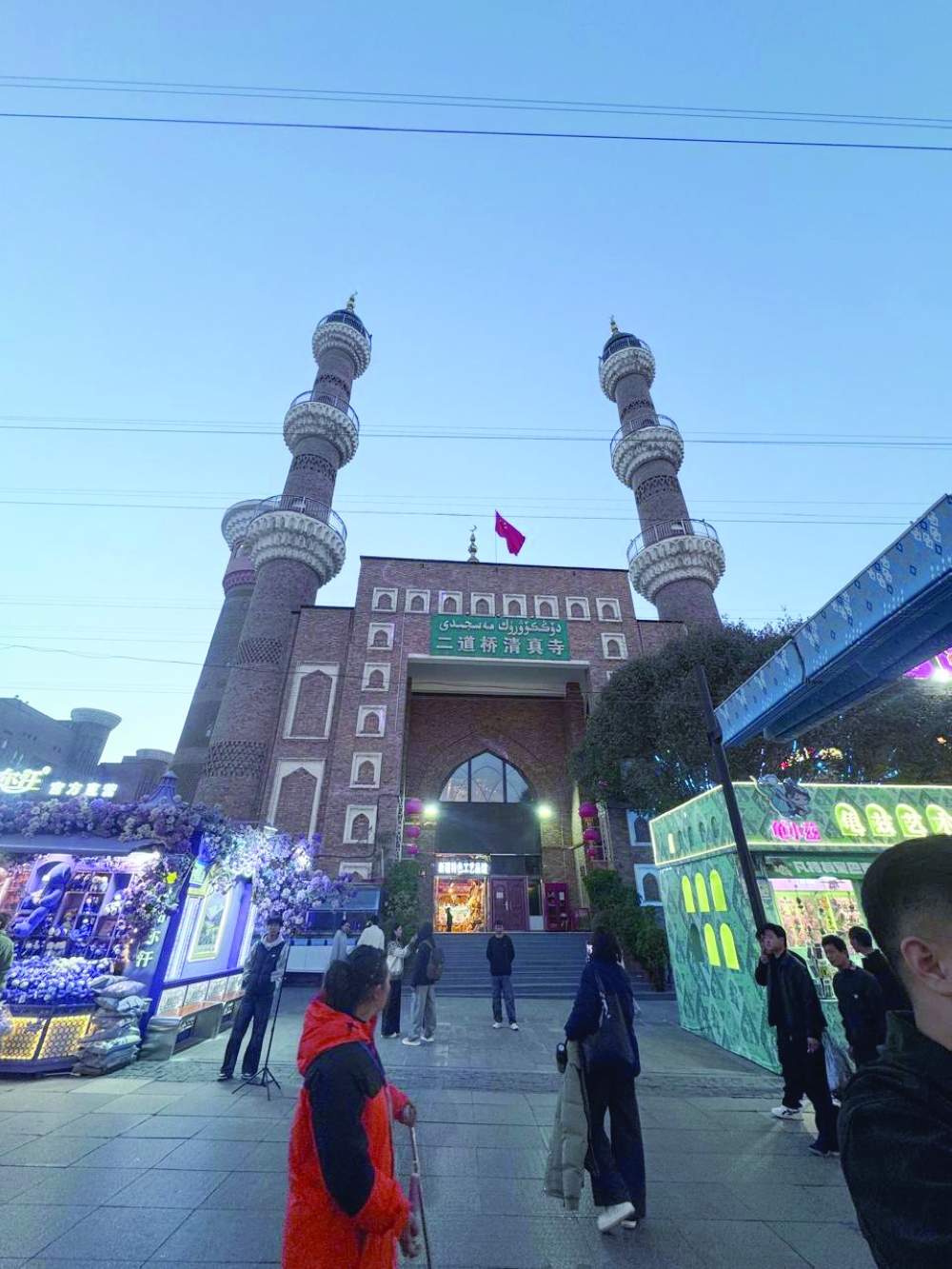
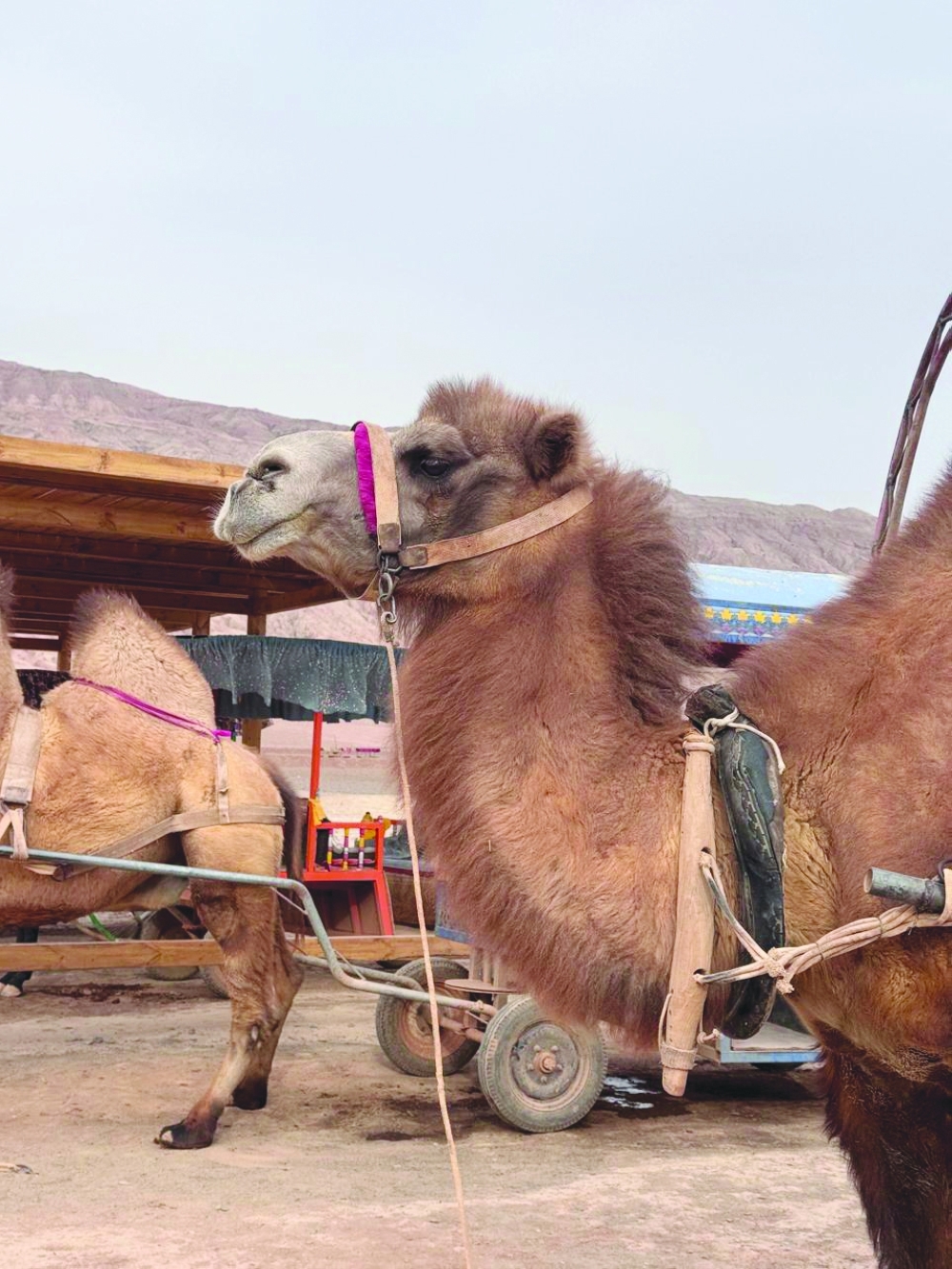
History enthusiasts should visit the Xinjiang Uygur Autonomous Region Museum in Urumqi, which houses archaeological discoveries and artefacts documenting the region’s diverse heritage. The Urumqi Cultural Centre offers another opportunity to explore local culture, while the anti-terrorism-themed exhibition provides a perspective on contemporary regional affairs.
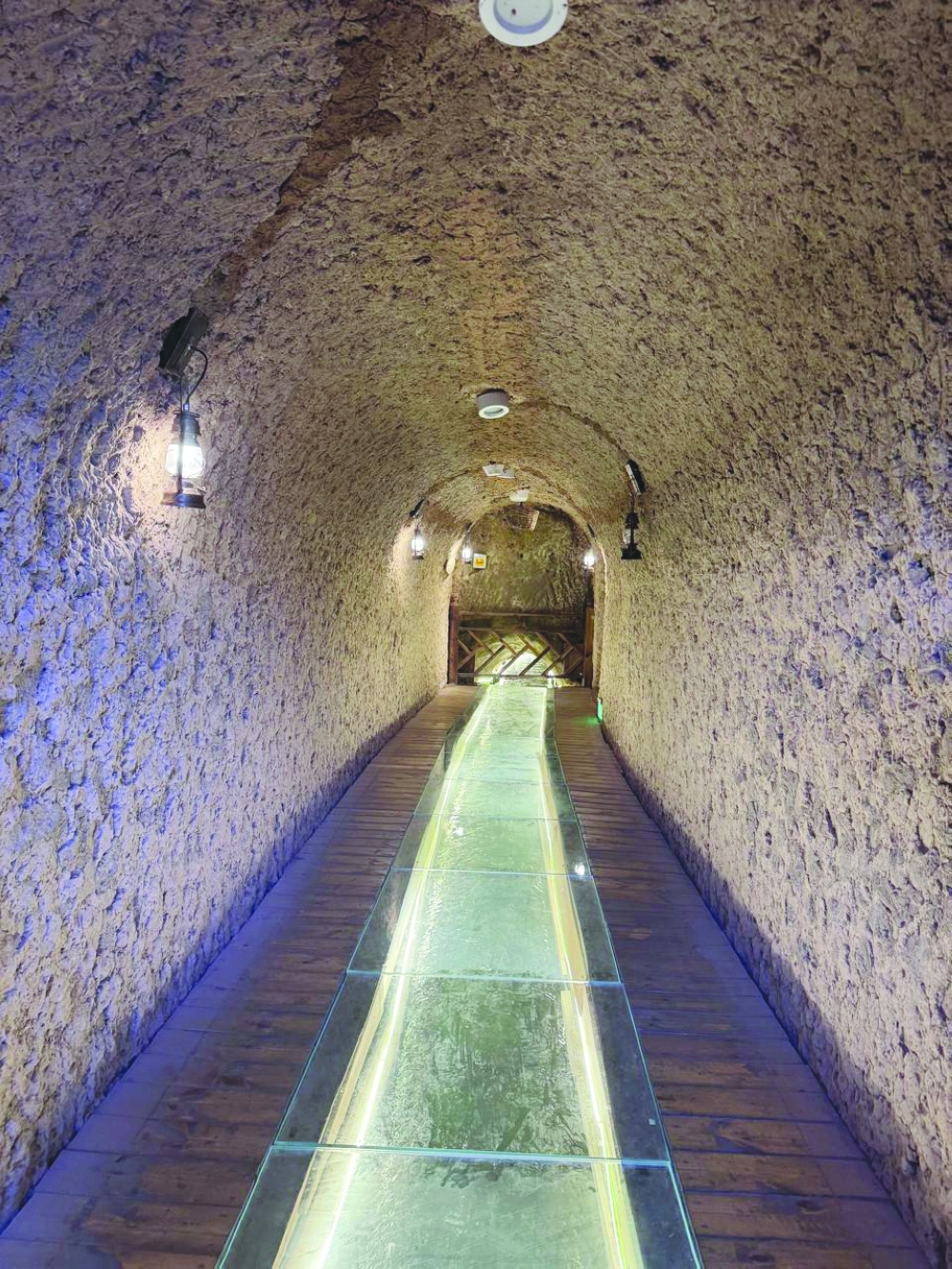
In Turpan, the Flaming Mountains rise dramatically from the arid desert. The city is also home to the Turpan Karez Museum, which showcases an ingenious traditional irrigation system developed to sustain life in a dry environment.
For Omanis, the karez system offers a particularly meaningful connection to the country’s own aflaj. Both systems demonstrate how communities in arid climates developed sophisticated methods of managing scarce water resources. Turpan’s karez channels groundwater through underground tunnels and vertical shafts, using gravity to transport water towards settlements and farmland. Like Oman’s aflaj, the system reflects generations of engineering knowledge and adaptation to challenging environmental conditions, making it a particularly rewarding attraction for Omani visitors.
Xinjiang’s landscapes are equally compelling. Turpan’s sun-baked desert scenery contrasts with Urumqi’s urban landscape, where the city stretches towards distant, snow-covered mountain peaks. This variety, from arid plains to frosty mountain horizons, is among the region’s greatest attractions.
Urumqi also combines modern shopping centres, cafés, restaurants and entertainment venues with traditional markets. Visitors can explore contemporary Chinese technology, including Huawei products, while the city’s abundance of hotels, including five-star establishments, offers comfortable accommodation.
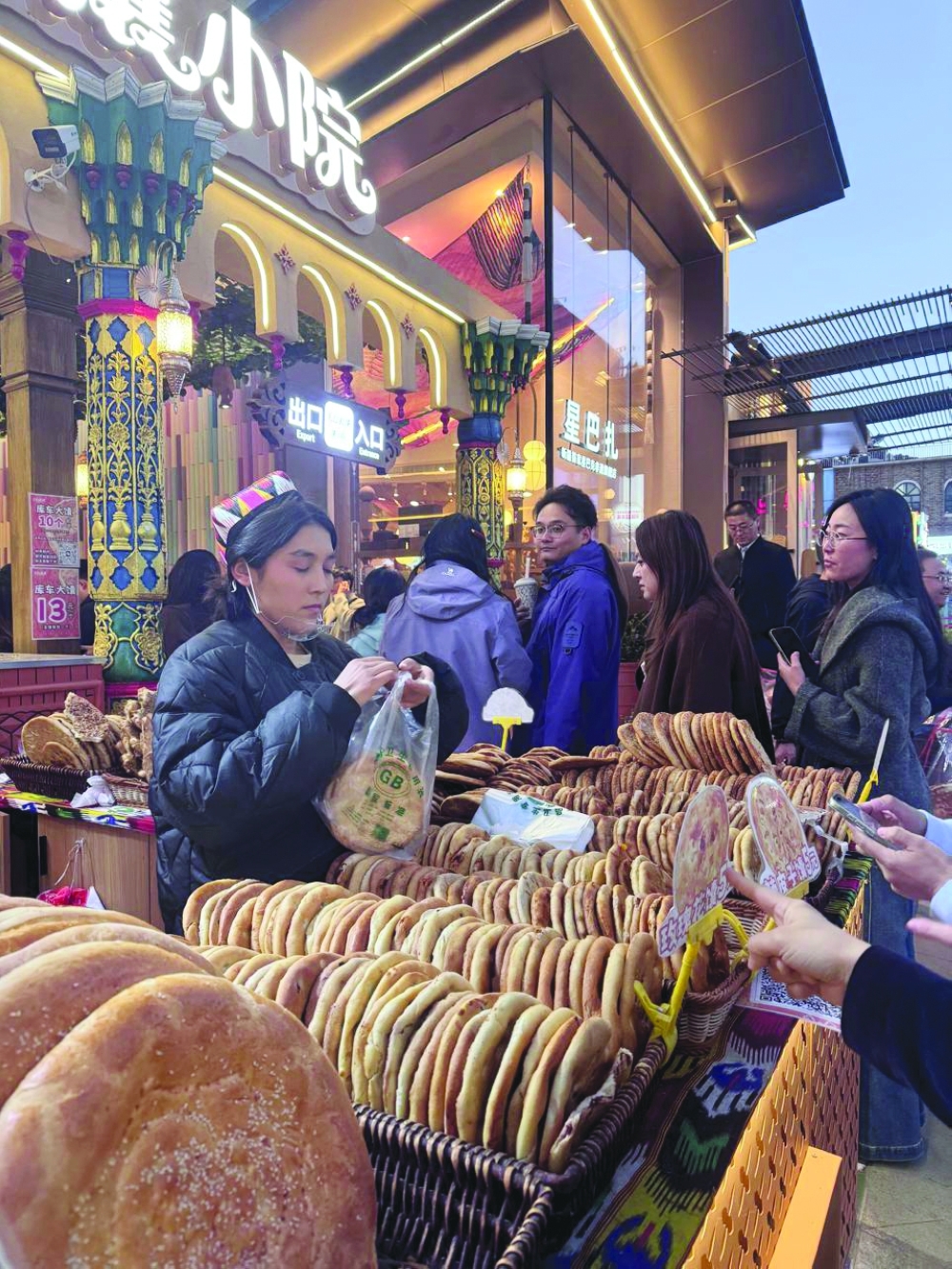
Food is another highlight. Uyghur cuisine features flavourful dishes such as hand-pulled laghman noodles, lamb kebabs, polo rice and samsa pastries. At the International Grand Bazaar, freshly baked breads with savoury or sweet fillings offer a tempting introduction to local flavours.
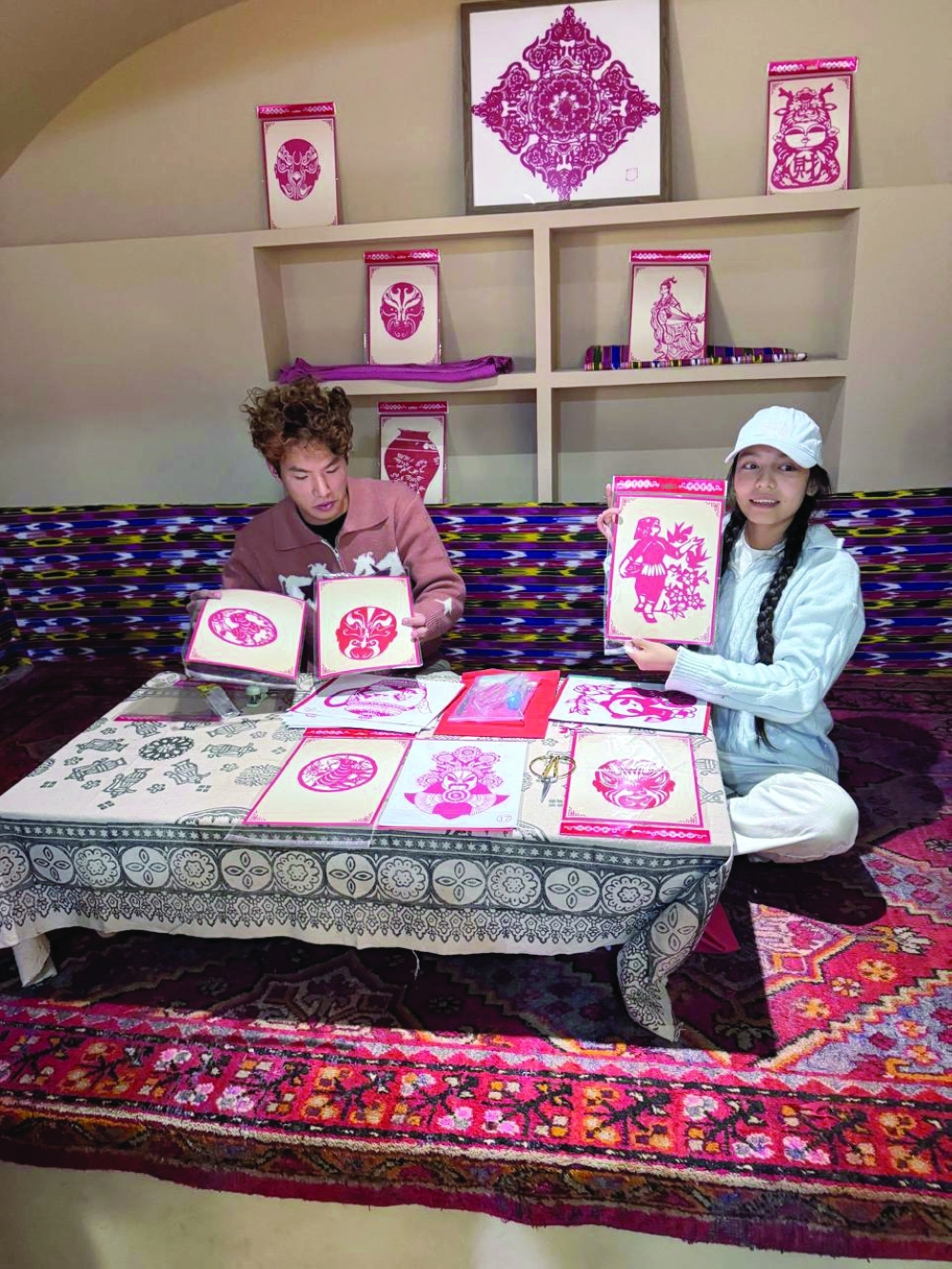



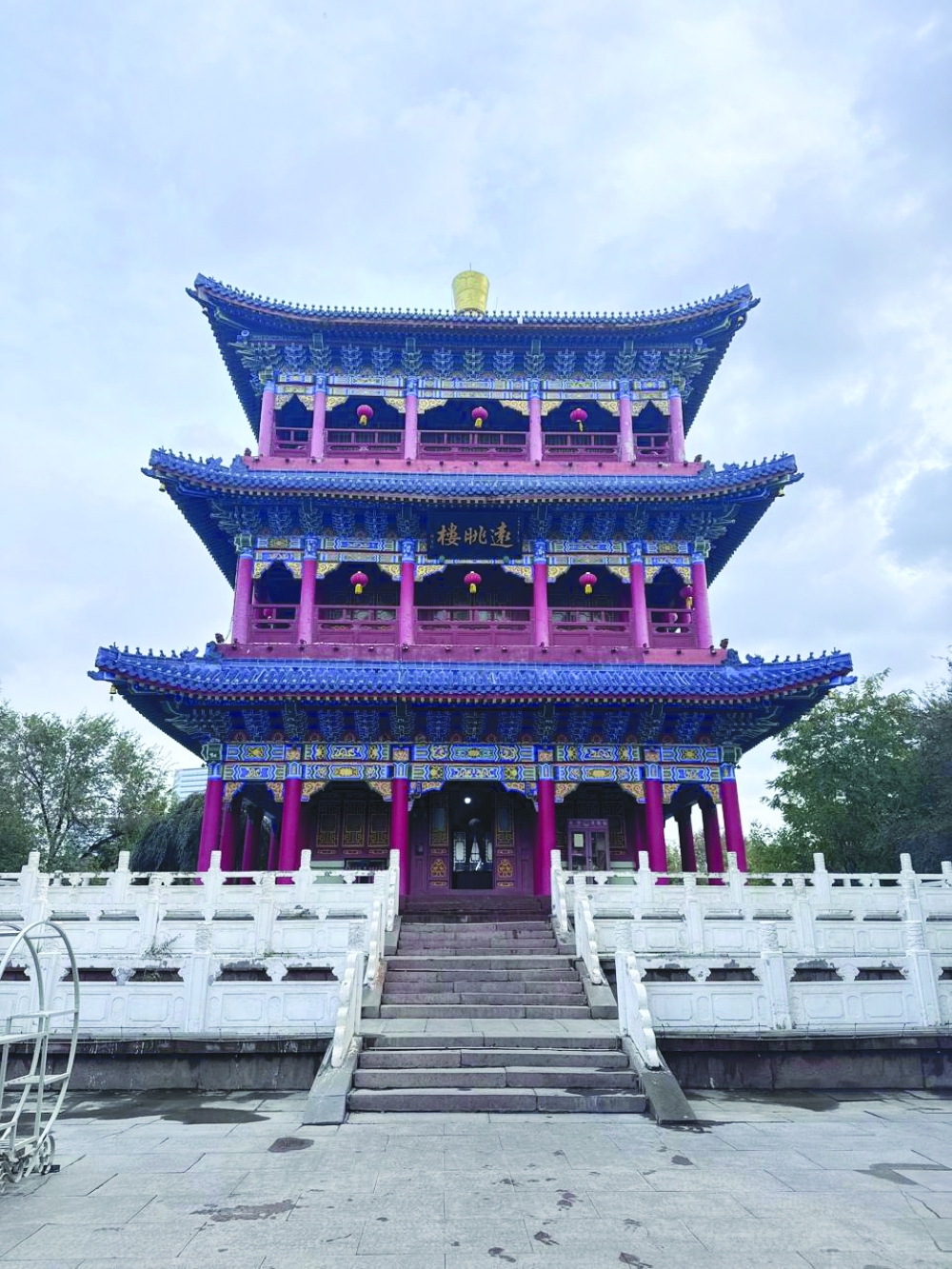
For panoramic city views, Hongshan Park, also known as Red Hill Park, is a must-visit. Its elevated viewpoints overlook Urumqi, with distant mountain peaks providing a striking backdrop. Nearby, CC MALL Times Square offers extensive shopping and entertainment options.
With its Silk Road heritage, welcoming communities, distinctive cuisine and extraordinary landscapes, Xinjiang presents Omani travellers with a destination where cultural connections and new discoveries come together.
Oman Observer is now on the WhatsApp channel. Click here