

MUSCAT, OCT 26
The planned $3 billion investment in an artificial intelligence data centre complex in Salalah would cover buildings, electricity infrastructure, cooling systems and network connections, while customers would typically provide their own servers and specialised computing chips, according to Yasser al Barami, CEO of Mubbadrah Investment.
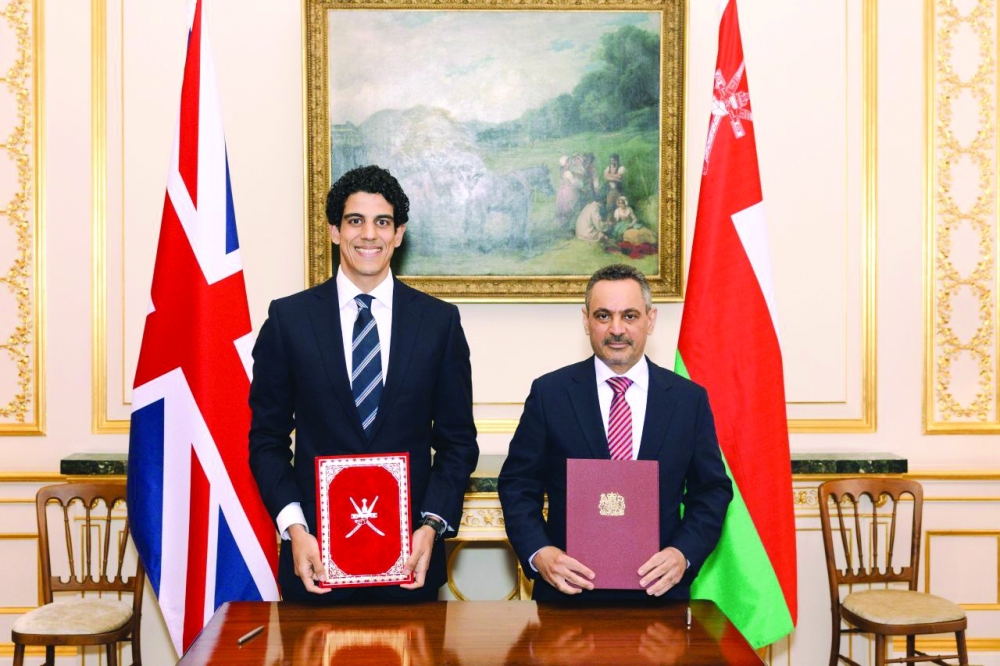
The update provides a clearer picture of the investment structure behind the proposed 400-megawatt development, which was announced following the signing of a framework agreement in London.
In a LinkedIn post, Al Barami said the planned investment would finance the data centre’s core infrastructure, including connections to the electricity grid and fibre-optic networks.
Additional investment could come from international customers installing their own computing equipment at the facility.
The consortium aims to generate recurring revenue by hosting computing capacity and providing associated infrastructure services to overseas customers.
Al Barami identified Salalah’s submarine cable connectivity, port, airport, free zone and renewable energy potential as advantages for attracting international technology companies.
The proposed development would combine grid electricity with renewable energy and battery storage to support facilities requiring continuous power.
However, the consortium has yet to disclose its committed financing, detailed electricity supply arrangements or construction timetable.
Al Barami also outlined the potential benefits for Omani businesses and workers, including opportunities in engineering, network operations, cooling systems, maintenance and technical services.
He said the number of jobs would be determined as studies and implementation plans for each development phase are completed.
Mubbadrah Investment is leading the consortium alongside Sustopia Capital, Vela Tech and O2 Global Energy.
The planned complex would provide infrastructure for international cloud computing and AI operators, with capacity targeted at up to 400 MW and scope for future expansion.
The consortium has not yet disclosed the expected capacity of its first phase or whether the 400 MW target represents computing equipment demand or the facility’s total electricity requirements.
The project therefore remains dependent on further development milestones, including financing, infrastructure arrangements and commercial commitments from customers.
Oman Observer is now on the WhatsApp channel. Click here