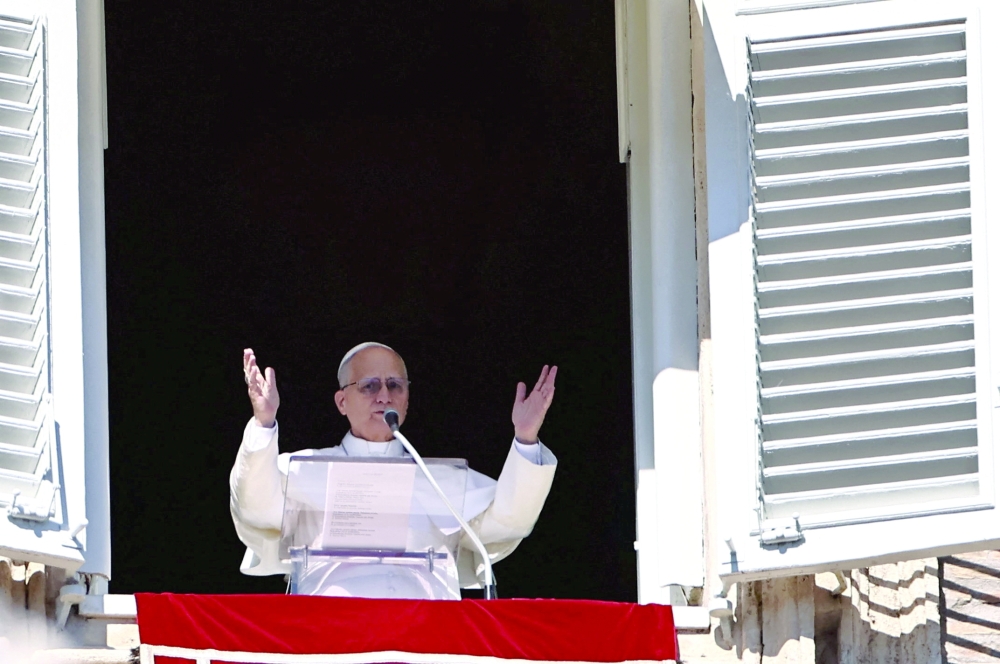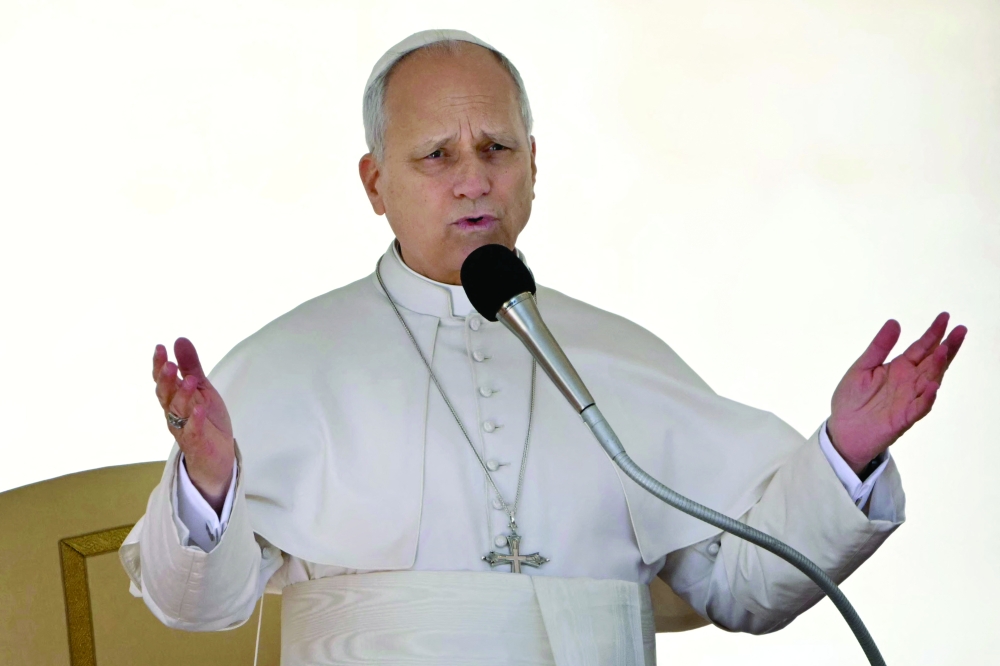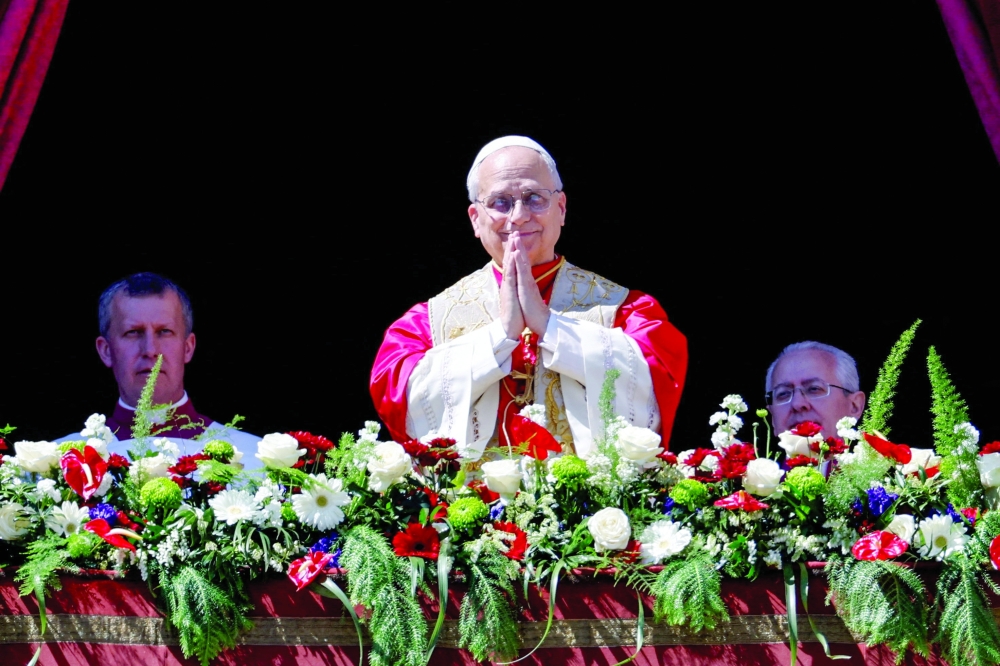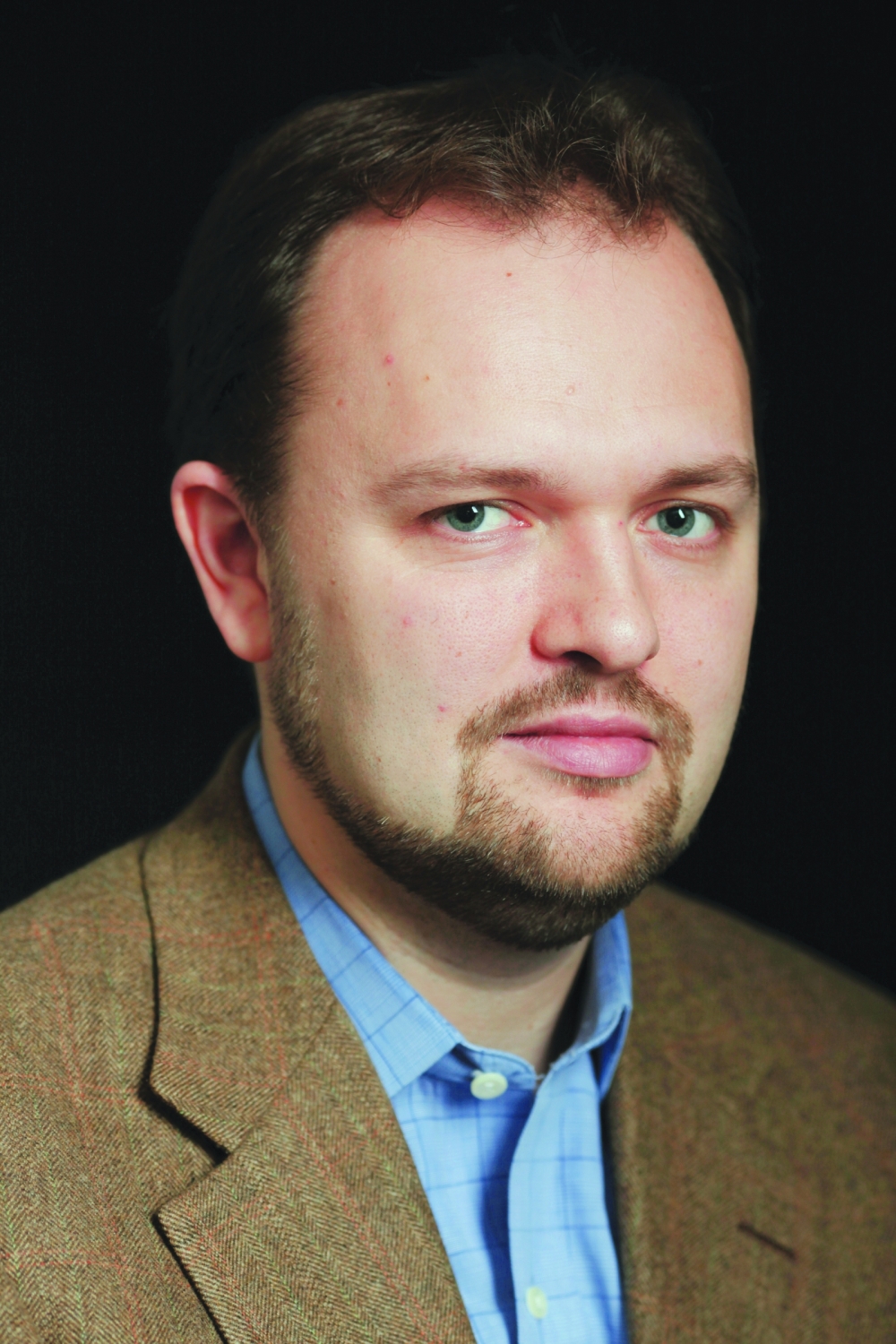





When Is It Wrong to Use AI? Related Gallery Photos Of all the reactions to Pope Leo XIV’s manifesto on artificial intelligence, from its liberal humanist appreciators to its digital-consciousness-believing critics, one of the most notable is the disappointment of the AI skeptics who think the pope didn’t go nearly far enough.
Writing in Compact magazine, Princeton University’s Greg Conti responds to the pope’s description of the perils of the age of artificial intelligence by asking, “Must we have such an age declared already?” Could a pope not, instead, call for “an age of resistance to AI?” In The Hedgehog Review, cultural critic Anton Barba-Kay comments that approaching AI as a “valuable tool that requires vigilance,” in Leo’s words. My own reaction to the papal intervention had something in common with these critics. I thought Leo could have gone deeper into the sheer strangeness of artificial intelligence, the nature of its challenge to human exceptionalism, the reason it breeds so many messianic impulses and apocalyptic fears.
But I do not think a papal call for massive resistance to an AI epoch would have been suited to the conditions of 2026. It seems both too late and too early for that message.
Too late, in the sense that the technology has swept through too much of society already, building too much wealth and infrastructure, promising too many near-term benefits and implicating too many institutions for anyone to imagine that the AI revolution can be (as Conti suggests) “extirpated or repressed.” Then too early, in the sense that the nature of humans is to react against a technology only once its harms become undeniable; we respond best to dangers made manifest, not threats hypothesised. The regulations that tamed industrialisation were fitted to the abuses of the age; the movements to restrain nuclear proliferation would have looked very different absent the object lesson of Hiroshima and Nagasaki; the recent backlash against smartphone use by kids couldn’t have been ginned up in 2010.
No doubt in an ideal world, the response would precede the bitter lesson. But in this world, for the humanist skeptic of AI no less than Skynet-fearing safety-ist, some version of the Bad Thing probably needs to be not just visible but undeniable before the world will act.
And if the humanist is Christian, like the pope, they have good reason to trust that God will allow us whatever time is necessary to tame and regulate or even extirpate the Bad Thing, rather than simply giving us over to destruction. (Unless this is the last technological temptation of all, in which case, neither encyclicals nor newspaper columns will avail us much.) This does not mean, however, that skeptics and critics just need to sit and wait for their darkest fears to be fulfilled. If you are convinced of the existential dangers of AI, then you should favour incremental regulation and increased political awareness, even if what you really desire is a sweeping moratorium. Similarly, if you fear the cultural dangers of AI, then your goal should be to moralise in concrete terms, to identify particular uses of the technology that seem particularly shameful, to tell your readers how not to use AI.
Writing in The Atlantic, Tyler Austin Harper argues that some secular AI skeptics have been drawn to religious thinkers like the pope for exactly this reason — because a secular language of harm seems inadequate to the perils AI creates for humans, which are better identified by the language of sin.
If that’s the case, though, the goal of the critic should be to identify the sin directly, not merely to lament the general advance of the technology nor to make excuses for individuals caught up in disruption.
Do not offer vague laments for the fate of higher education; say that students who use AI to cheat are doing something gravely wrong.
Do not merely bemoan the proliferation of Claude-inflected prose; say that the novelist or essayist who outsources a chapter to AI has committed what should be a career-ending literary crime.
Do not merely fret, as the pope’s encyclical does, that receiving “words of advice, empathy, friendship and even love” from a chatbot can be “misleading” for “less discerning users.” Tell Catholics and other Christians that treating an AI bot like your girlfriend or your boyfriend is a sin.
The point of this kind of condemnation is not to prevent the great AI disruption. It’s to lay the foundation for whatever structures we build on the other side. The necessary contribution of the critic is not to magically convince everyone that it’s wrong to use AI. It’s to convince some people, and then more people, and eventually almost everyone, that it might be wrong to use AI that way. — The New York Times.
Oman Observer is now on the WhatsApp channel. Click here