

A week of Muscatian encounters with people, in real life and on screen, as shared by the writer whose name many Omanis often pronounce as “Bridge”.
It was late Tuesday evening. "Nice to hear world leaders speak with grace, class, courtesy, and a real sense of history for a change," I heard my husband mumble from his recliner chair.
He applauded throughout the speeches by His Majesty Sultan Haitham bin Tarik and HM King Charles III at Windsor Castle, as though he were sitting with them at that long dining table set for the Omani and British royals and other guests.
The state visit of our Sultan to the UK was broadcast live, while it was getting very late here in Muscat. At this time of night, my husband usually watches something involving Donald (I have advised him many times against this).
Feeling a bit overwhelmed, I sat sinking into the sofa we just scrubbed with all sorts of soap as I peeked over my laptop screen at the television. I had been watching the Netflix series 'The Diplomat'. Ironically, this episode took place at what they called Windsor Castle, with a fictional female US President, known in the show for her erratic foreign policy, as its unexpected guest.
Apparently, a State Banquet is the highest honour the UK can extend to an overseas guest on an official visit. I EcoGPT-ed it. Quite the fancy dinner, I initially commented, as the table at Windsor Castle seemed to stretch endlessly, glittering with (Omani?) silver, candlelight and flowers. As I could imagine it about to be piled high with delicious food, I could not stop an intrusive thought.
I had read yesterday's World Food Programme warning that funding shortages were forcing the organisation to cut crucial assistance in Gaza by around one-third.
"Baba Qaboos," my husband suddenly said when the British Monarch spoke of the legacy of the late Sultan Qaboos bin Said, whom he even called a friend and brother in his speech.
He also nodded when the King complimented Oman's role across the Gulf and said that this country's constructive neutrality matters far beyond Hormuz, and is worthy of utmost respect.
As he kept commenting on the speeches and the bilateral relationship, I chuckled at my husband, this off-roader and fisherman who once fought an octopus, who now even looked moved when the British orchestra started playing the Omani national anthem.
"Did you hear him say welcome to a visitor of whom one never tires?" he asked and looked at me sideways with a smirk on his face.
I guess sometimes it takes a fancy dinner to symbolise and appreciate the important role one quietly and diplomatically plays from mostly behind the scenes.
The following Wednesday afternoon, I was exchanging WhatsApp messages with a former colleague, who happens to be British and plays an important role in Oman's leadership ecosystem.
Like so many working hard from behind the scenes, he had not attended Tuesday's State Banquet dinner at Windsor Castle.
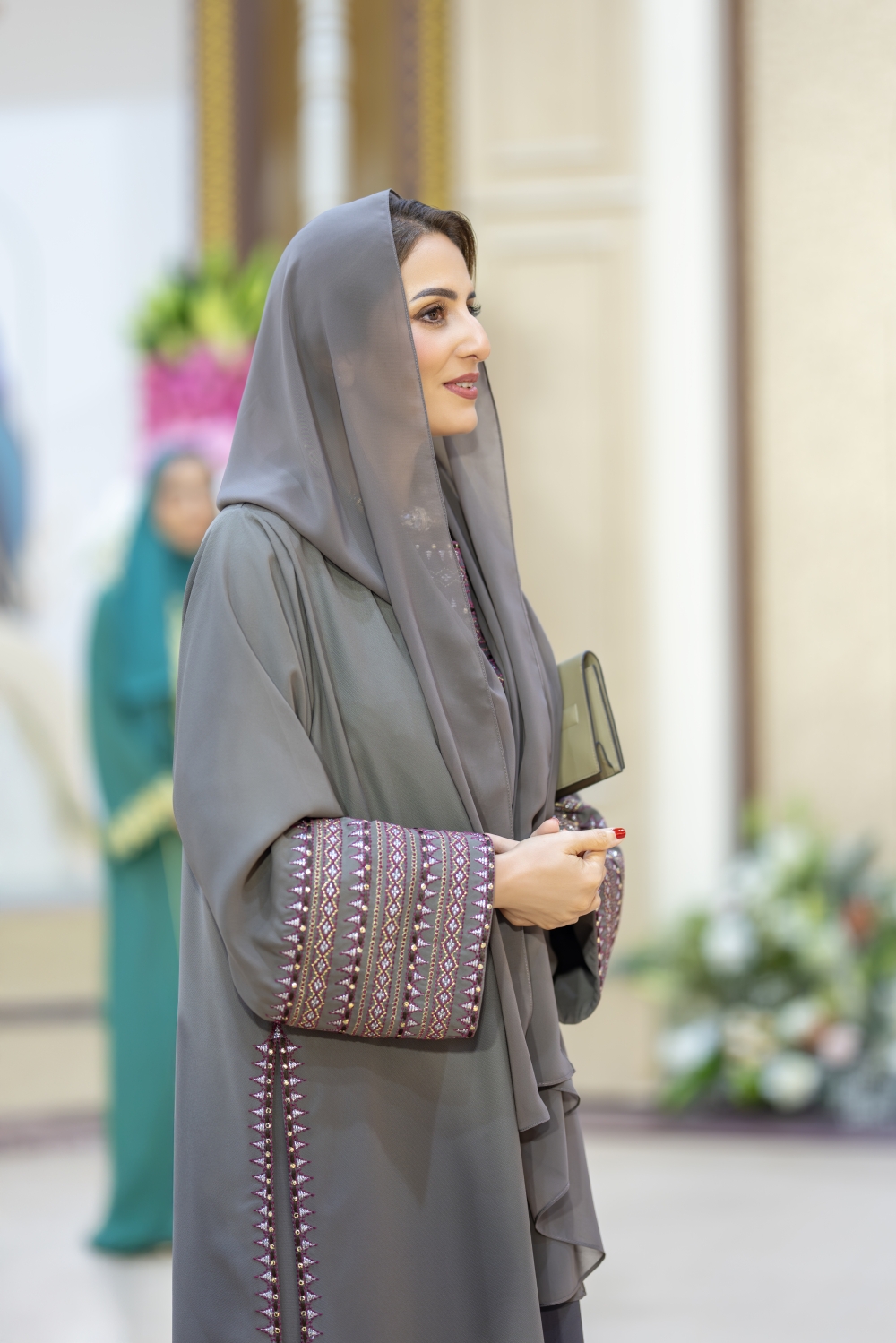
However, I had recognised two of the guests on television from real encounters in the world of work here in Muscat. Partly because of Omani Women's Day last Saturday, I told my pre-teen, currently on a mid-term break from school, about chef Dina Macki the entrepreneurial Omani chef and author who builds bridges among Omani, Zanzibari and British cuisines, sitting next to Prince William at the state banquet.
She replied that it was "nice" and added , "And I get invited to weekly family lunches in Muscat!" I smiled.
On Thursday morning, I was on the phone with a robotic-sounding customer service representative of a food delivery company and probably looked like an angry Karen, when a friendly Omani lady came up to me at the mall.
She asked if I used to work for what was then known as the Ministry of Higher Education, saying she remembered our scholarship presentations at schools.
During his speech at the fancy dinner, King Charles mentioned that His Majesty Sultan Haitham bin Tarik had put skills and education at the heart of (this country's) development, making Oman's young people the driving force of the nation's future.
In 2012, when the number of scholarships peaked, my then bosses always instructed me to say that government scholarships increased access to higher education, and were meant as an investment in national human resource development and thus, peace and stability.
Investments do cost money.
On social media posts trending in the UK, they just mentioned that Oman is apparently the first leader in the GCC to introduce a personal income tax. Just 5 per cent that will only apply to people who earn a very good salary. Fair enough.
I mean, I just read that a Dutch politician suggested increasing tax on inheritance in the Netherlands, which is already at least 10–20 per cent or more, depending on your relationship with the deceased. According to him, things you inherit are not something you 'earned' (read: deserve) and it may even make people 'lazy'.
He reminded me of one of the reasons why I prefer Oman. I still pay taxes on behalf of my late parents while paying off a student loan but I escaped this Calvinist attitude.
Oman Observer is now on the WhatsApp channel. Click here