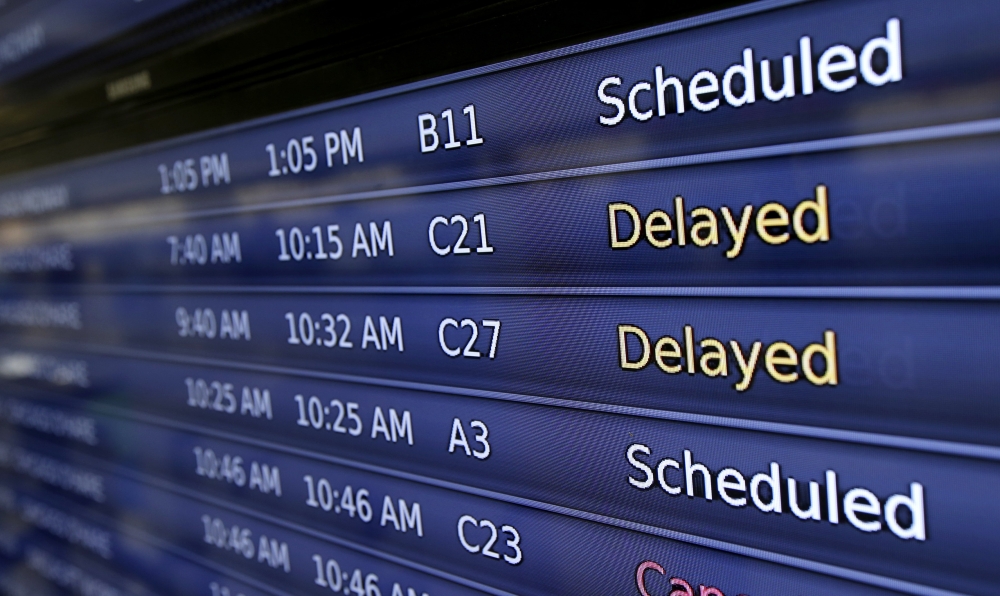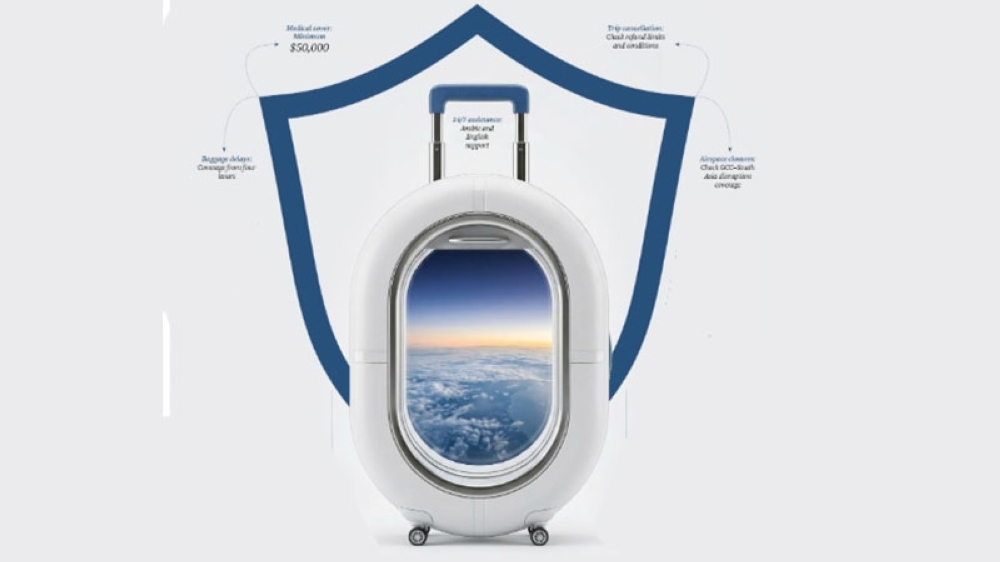





Travel industry experts are urging travellers to make insurance an essential part of every trip, including short regional journeys, as airspace closures, medical emergencies, flight disruptions and baggage delays leave passengers facing unexpected expenses.
They say travel insurance should be considered a basic travel necessity for both business and leisure travellers, offering financial protection when unforeseen circumstances disrupt carefully planned journeys.
An unexpected illness or accidental injury overseas can result in substantial medical and hospitalisation expenses. Depending on the policy, travel insurance can cover emergency medical treatment, personal accidents, emergency evacuation and repatriation, as well as certain travel-related disruptions.
“People spend RO 200 or even more on tickets and hotels but skip the insurance cost, and that is the biggest mistake,” said a senior IATA consultant based in the MENA region.
The consultant said cancellations and disruptions affecting flights through Dubai and Doha had highlighted the importance of insurance, citing a reported 35 per cent increase in flight cancellation claims in 2026. The figure should be verified with the source before publication.
With many travellers connecting through Gulf aviation hubs en route to South Asia and other destinations, geopolitical tensions and airspace restrictions can lead to rerouting, missed connections and unexpected overnight stays. However, reimbursement for additional accommodation, rebooking and missed connections depends on the policy's terms, exclusions and the circumstances of the disruption.
According to Dr J Retnakumar, CEO of ISC – Insurance Services Centre, Risk Consultants & Brokers, travel insurance is an essential safeguard against unexpected expenses arising from medical emergencies, trip cancellations, lost luggage, travel delays and personal liability.
“Even a carefully planned holiday can be disrupted by illness, accidents, natural disasters or unforeseen changes, and these situations can become financially overwhelming — especially abroad,” he said.
“By choosing suitable travel insurance and reviewing its coverage, exclusions, medical conditions, destination restrictions and claim requirements, travellers can enjoy greater peace of mind and focus on their journey rather than worrying about the unexpected.”
Jeejo Thomas, CEO of Alliance Insurance Brokers, said emergency hospitalisation was among the most important benefits of travel insurance, particularly in destinations where medical treatment can be prohibitively expensive.
“In some far-off countries, medical expenses can go beyond one's financial capacity. Travel insurance can provide direct billing through third-party administrator (TPA) services or insurance companies,” he said.
Jeejo noted that several travel insurance products were available in Oman and advised travellers to check whether their insurer or assistance provider offered round-the-clock support overseas.
In addition to emergency medical treatment, travellers should examine whether their policies cover emergency dental treatment, passport loss, flight and baggage delays, personal liability and other travel-related contingencies.
Travel medical insurance is also a visa requirement for certain destinations. Applicants for Schengen visas, for example, must meet the applicable travel medical insurance requirements, while travellers to the US should consider the potentially high cost of healthcare. Requirements and recommended coverage differ by destination.
Travel insurance products in Oman are available at premiums starting from around RO 4, depending on the destination, duration and coverage selected. Some policies offer coverage exceeding $1 million, although travellers should check the applicable limits and exclusions rather than relying on the headline figure alone.
K S Parameswaran, general manager, Khimji Ramdas Insurance Services LLC, said travel insurance could protect travellers against a range of unexpected costs, including lost or delayed checked baggage, trip cancellation or curtailment, and flight or other travel delays.
“Depending on the policy, it can also cover common travel-related contingencies such as loss of passport, loss or delay of checked baggage, trip cancellation or curtailment, and flight or travel delays,” he said.
“For a relatively modest premium, travel insurance provides valuable financial protection and peace of mind, allowing travellers to enjoy their journey without having to bear the full financial impact of unforeseen events.”
Experts advise travellers to compare policies carefully rather than choosing solely on price. Annual multi-trip plans may be cost-effective for frequent travellers, but the number of permitted trips, maximum duration of each trip and coverage limits should be checked before purchase.
Travellers should also establish whether their policies cover disruptions caused by airspace closures, government travel advisories or other geopolitical events. Such circumstances may be excluded or subject to specific conditions, particularly if the event was known when the policy was purchased.
Other considerations include pre-existing medical conditions, deductibles, claim documentation, exclusions for high-risk activities and the process for obtaining emergency assistance overseas.
“If you can afford to travel, you can afford to insure it. It is not a luxury; it is your ticket home,” a travel agent said.
Oman Observer is now on the WhatsApp channel. Click here