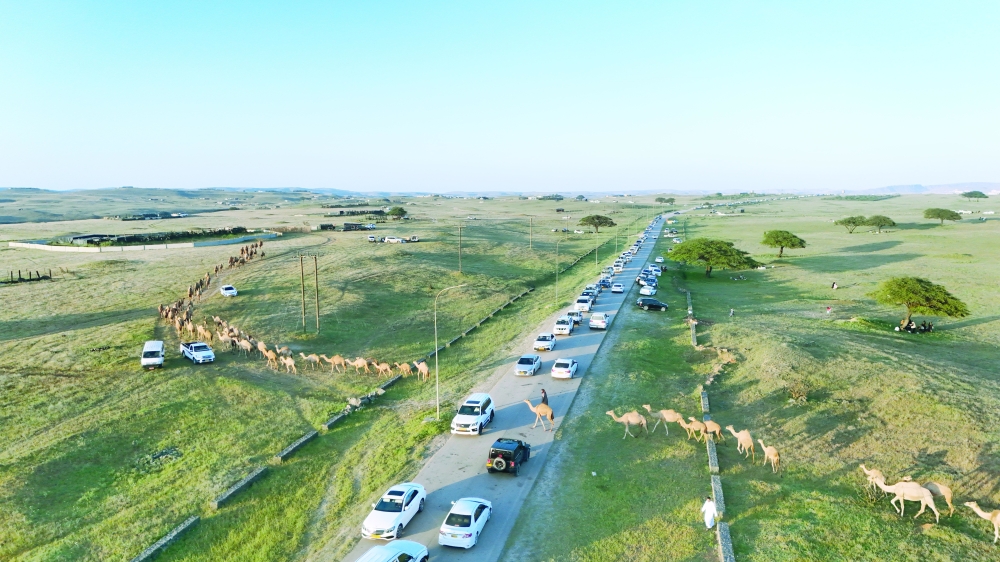





TAQAH: Camels are moving back into Wadi Khashim near Taqah this week. Three months ago, many herds were travelling in the opposite direction.
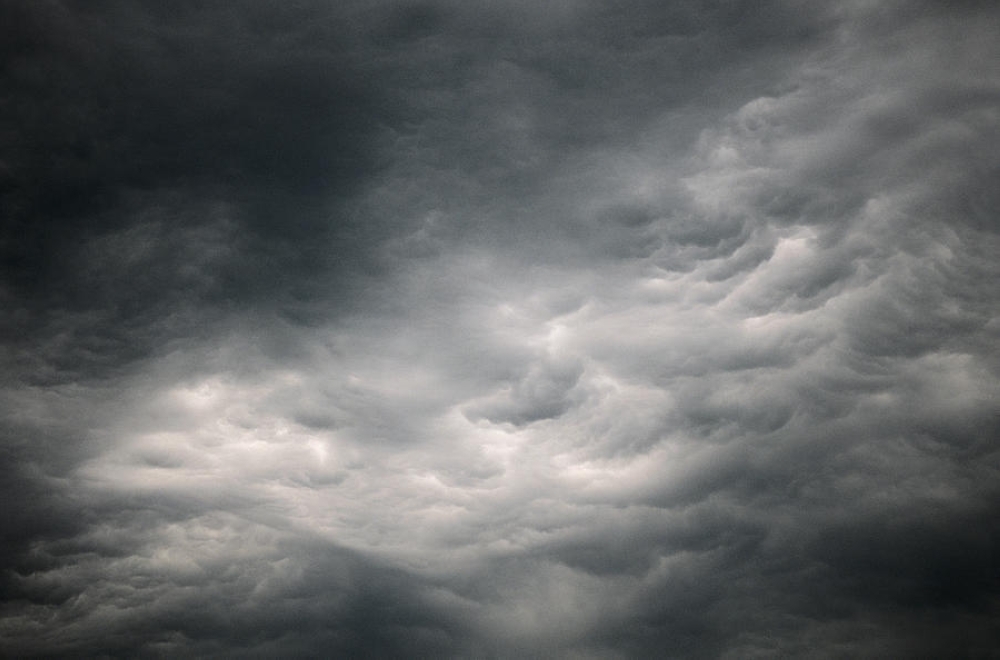
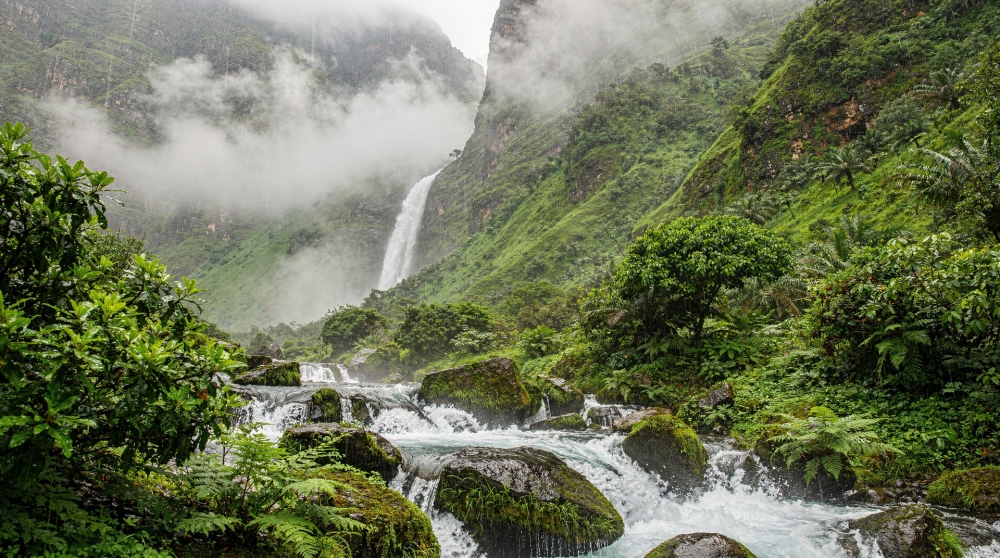
The movement marks the transition from Khareef — Dhofar’s summer monsoon season of rain, mist and green mountains — to Sarb, the locally known post-monsoon period when the fog recedes, the ground begins to dry and livestock return to natural grazing areas.
For generations, camel owners in southern Oman have organised part of their year around this cycle.
As Khareef sets in, many move their animals away from the rain-soaked mountains. They return only when conditions improve and the pasture is ready. Herders say the state of the ground matters more than a date on the calendar.
Mohammed al Maashani, a camel owner, spent this Khareef with his animals on Dhofar’s coastal plain.
Earlier generations of his family would often travel farther with their camels towards the Nejd, the dry plateau beyond the mountains and outside the main influence of the monsoon.
For Al Maashani, that journey no longer fits easily with everyday life.
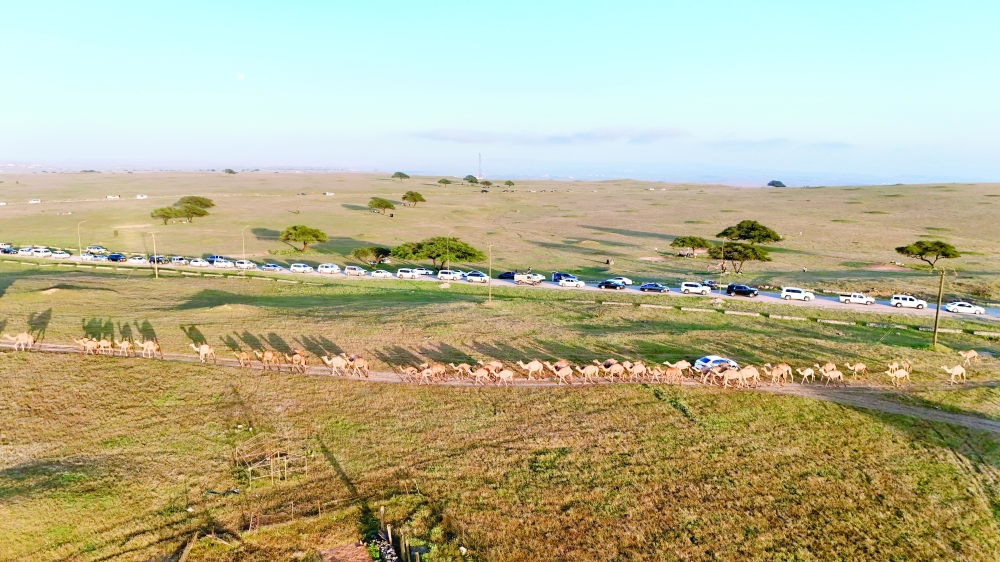
His work means he cannot remain for long periods with the herd in distant areas. Keeping the animals on the coastal plain allows him to stay closer to work and home while protecting them from persistent rain and wet mountain conditions.
It is a small example of how an old seasonal migration is adapting to a different way of life.
Another difference becomes clear when the pasture is poor.
Al Maashani described natural grazing this year as particularly weak. He said older generations had spoken of similar years when lower rainfall resulted in poorer pasture.
But livestock owners today have an option their grandparents had on a far smaller scale: commercially produced feed and fodder.
Al Maashani said earlier generations depended much more heavily on what the land could provide. Their camels and other livestock had to find natural grazing, making the quality of the pasture central to the survival and condition of the herd.
Today, owners can buy feed when natural grazing is insufficient.
Poor pasture therefore still matters — but increasingly as an added financial burden on the owner rather than leaving animals wholly dependent on whatever vegetation the season produces.
Bakhit al Shahri said camel owners had experienced substantial changes in recent years, although many continued to follow practices inherited from their fathers and grandfathers.
He said changes were also visible in the pastoral environment itself, without attributing them to any single cause.
The condition of Dhofar’s grazing land has also become an official concern.
The Environment Authority is developing a pasture-resting initiative in the western Dhofar wilayats of Rakhyout and Dhalkout, where it has specifically identified the effects of overgrazing as one of the issues the programme is intended to address.
For the targeted area, the authority has said the project aims to rehabilitate about 10,000 hectares of degraded land and improve livelihoods for around 1,100 livestock breeders, while developing economic opportunities linked to products including milk, meat and fertiliser.
The first phase of the initiative is planned for 2026–2030. It does not include Taqah, but it illustrates the wider question facing Dhofar’s pastoral communities: how to maintain livestock traditions and livelihoods while protecting the natural grazing land on which they have long depended.
That question is increasingly shaped by modern life.
A fixed job can determine how far an owner can travel with his animals. Roads and vehicles make seasonal movements easier. Commercial feed provides an alternative when the pasture fails.
Yet the land still sets part of the timetable.
The Khareef Dhofar 2026 season, which began on June 21, closes on September 21. For tourists, that date marks the end of the monsoon season’s official calendar. For herders, the ground matters more than the calendar. In Wadi Khashim, the return is now under way.
Oman Observer is now on the WhatsApp channel. Click here