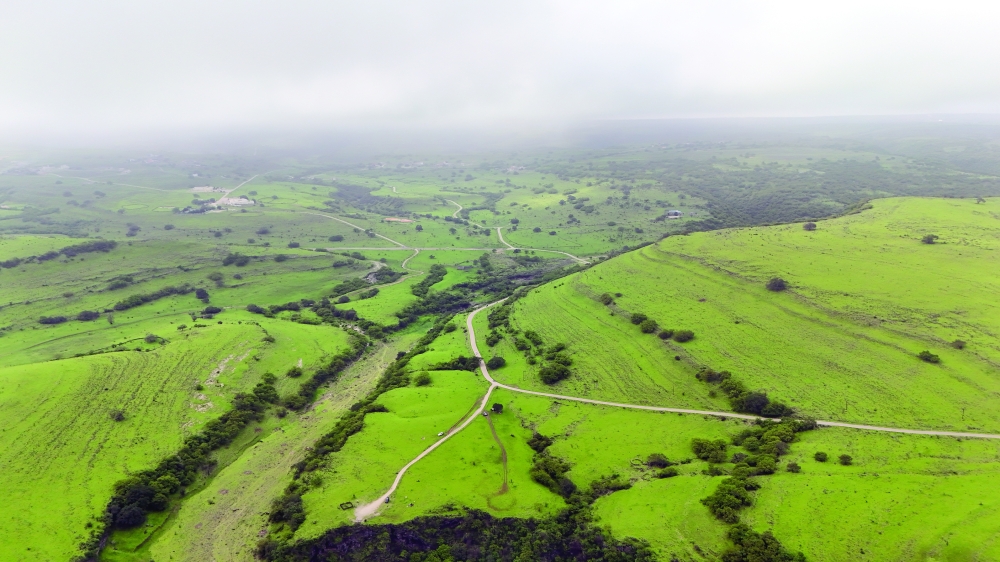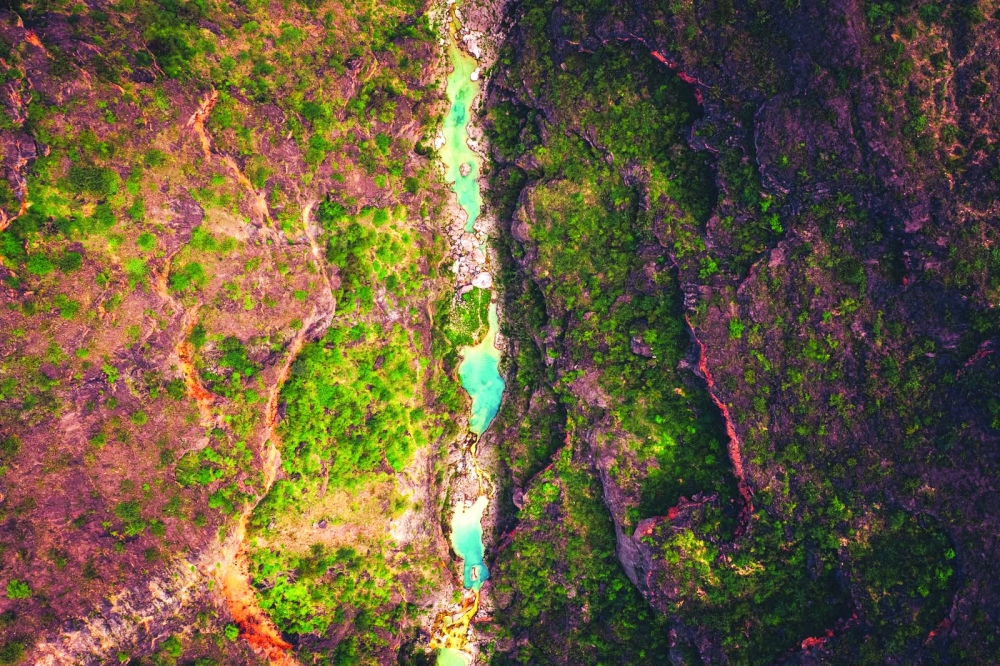





Tucked away in the mountainous landscape of Dhofar, Ain Arzooq is one of the governorate’s lesser-known natural springs — a place where water, rugged terrain and generations of local memory come together.
Located in the Adonub area of the Wilayat of Salalah, Ain Arzooq forms part of Dhofar’s network of natural springs, which have long been valuable water resources for communities living across the governorate’s mountains and valleys.
Unlike some of Salalah’s better-known springs, Ain Arzooq remains relatively secluded. Its setting offers a glimpse of a quieter side of Dhofar, away from the more frequented tourist destinations and surrounded by the distinctive landscape of the governorate’s mountains.
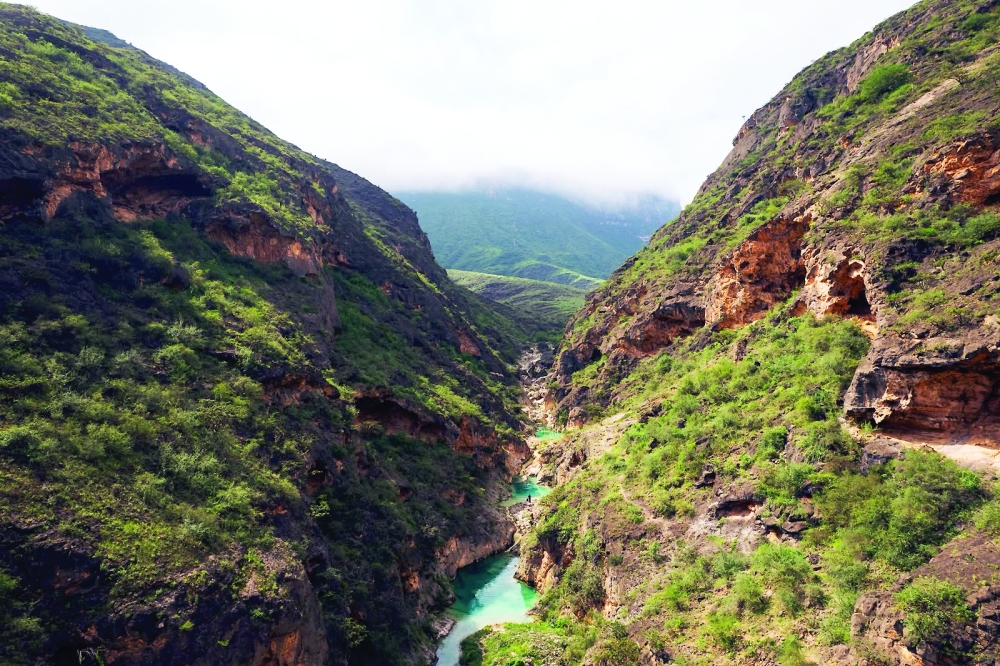
The importance of the spring has also been recognised through recent water-resource conservation efforts. In 2025, the Ministry of Agriculture, Fisheries and Water Resources included Ain Arzooq among 12 natural springs in Dhofar covered by rehabilitation and maintenance projects aimed at conserving water resources and supporting their long-term sustainability.
Such water sources are not only part of the governorate’s natural environment, but also represent resources that require careful management and protection, particularly in areas where water, vegetation and traditional ways of life have long been closely connected.
Local accounts also reveal another dimension to Ain Arzooq. Descriptions of journeys through the surrounding mountains refer to eastern and western springs bearing the Arzooq name and to old mountain paths once used by people moving through the area. The terrain was challenging enough that local volunteers worked to improve access through parts of the mountains, illustrating the strong relationship between communities and this landscape.
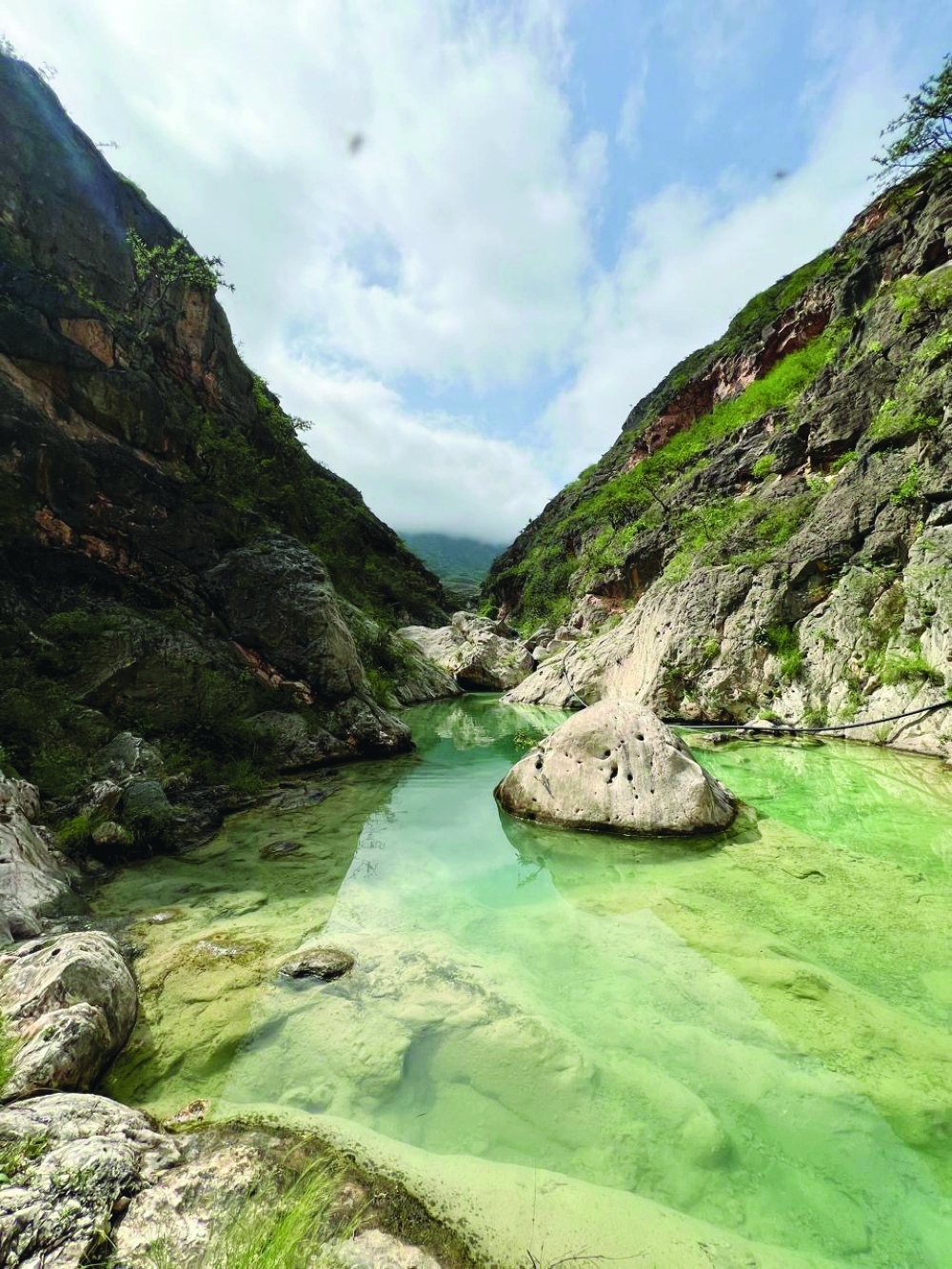
Ain Arzooq has also drawn attention for the vegetation around it. Local writing about the area describes lemon trees growing in the valley overlooking the spring and has called for greater efforts to preserve the natural character of the site.
During Khareef Dhofar Season, when moisture from the monsoon transforms large parts of the governorate’s mountains and valleys, places such as Ain Arzooq become part of a wider landscape shaped by greenery, mist and seasonal water flows.
Yet the appeal of Ain Arzooq lies partly in the fact that it has not been transformed into a heavily developed destination. Its relative isolation gives the site an authenticity that is increasingly valuable as Dhofar’s tourism sector expands.
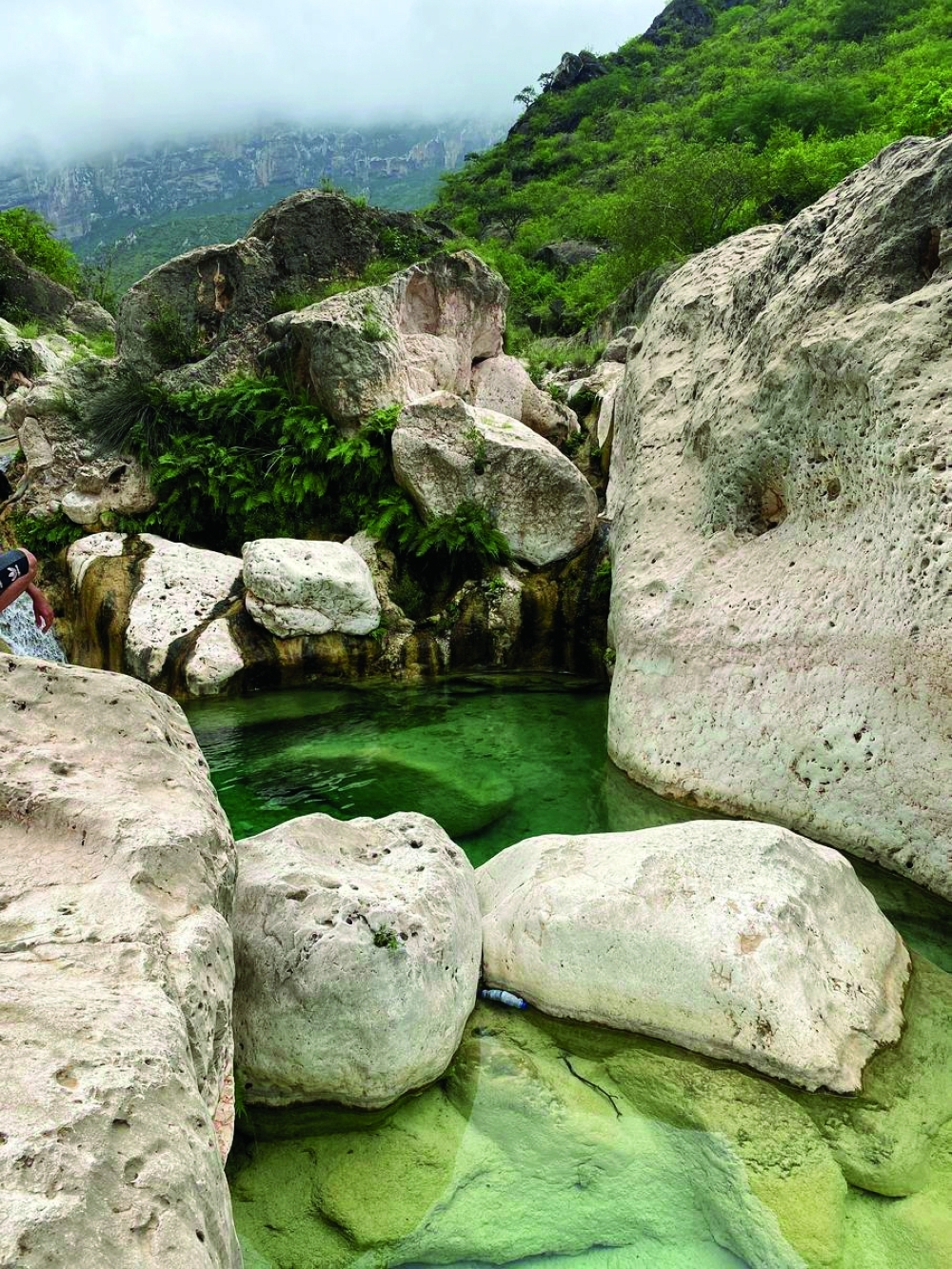
Any future development, therefore, presents both an opportunity and a responsibility. Improving safe access and maintaining the spring could help more people appreciate the site, but such efforts need to preserve its environmental character rather than overwhelm it with infrastructure.
Beyond its scenic appeal, Ain Arzooq tells a broader story about Dhofar, one of water emerging among mountains, communities adapting to difficult terrain and natural resources continuing to connect the present with the past.
As more visitors explore beyond Salalah’s familiar attractions, Ain Arzooq stands as a reminder that some of Dhofar’s most meaningful places are still found away from the crowds.
Preserving them is not simply about creating new tourist destinations. It is about protecting the water, landscapes and local heritage that give Dhofar its distinctive identity.
Photos by Khalid al Rashdi
Oman Observer is now on the WhatsApp channel. Click here