




MUSCAT, SEPT 16
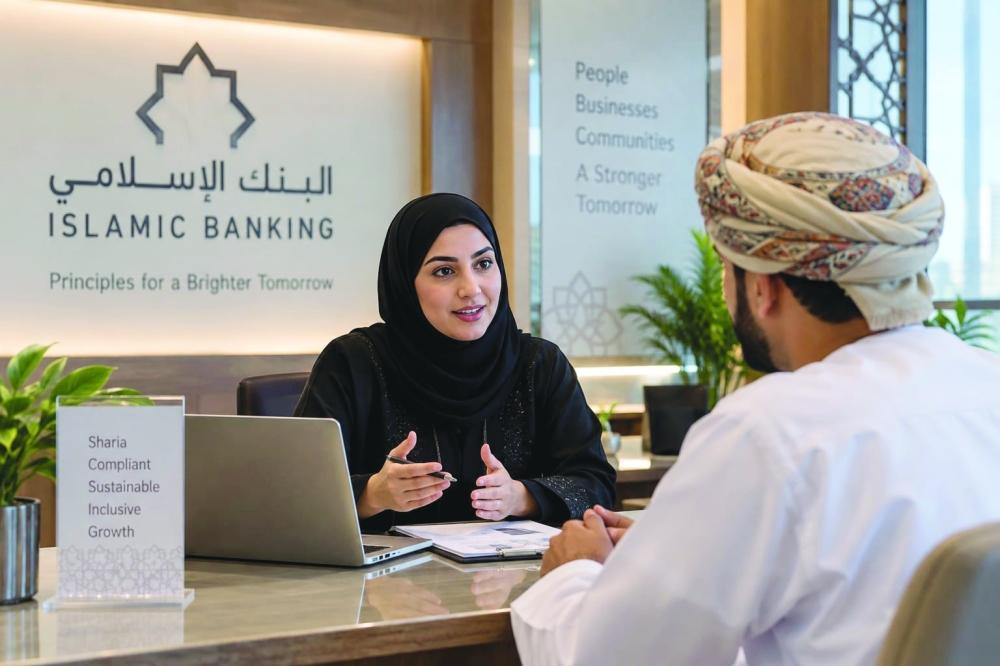
Oman’s Islamic banking industry should expand financing to small and medium enterprises and accelerate digital services as increasingly sophisticated customers demand speed, transparency and convenience alongside Sharia compliance, industry experts said.
Islamic banking has expanded rapidly since its introduction in the Sultanate of Oman in 2012, with its share of total banking-sector assets rising from around 17 per cent two to three years ago to more than 20 per cent, or about RO 9 billion, Ali Hassan Moosa, Financial Adviser at the Ministry of Finance, said.
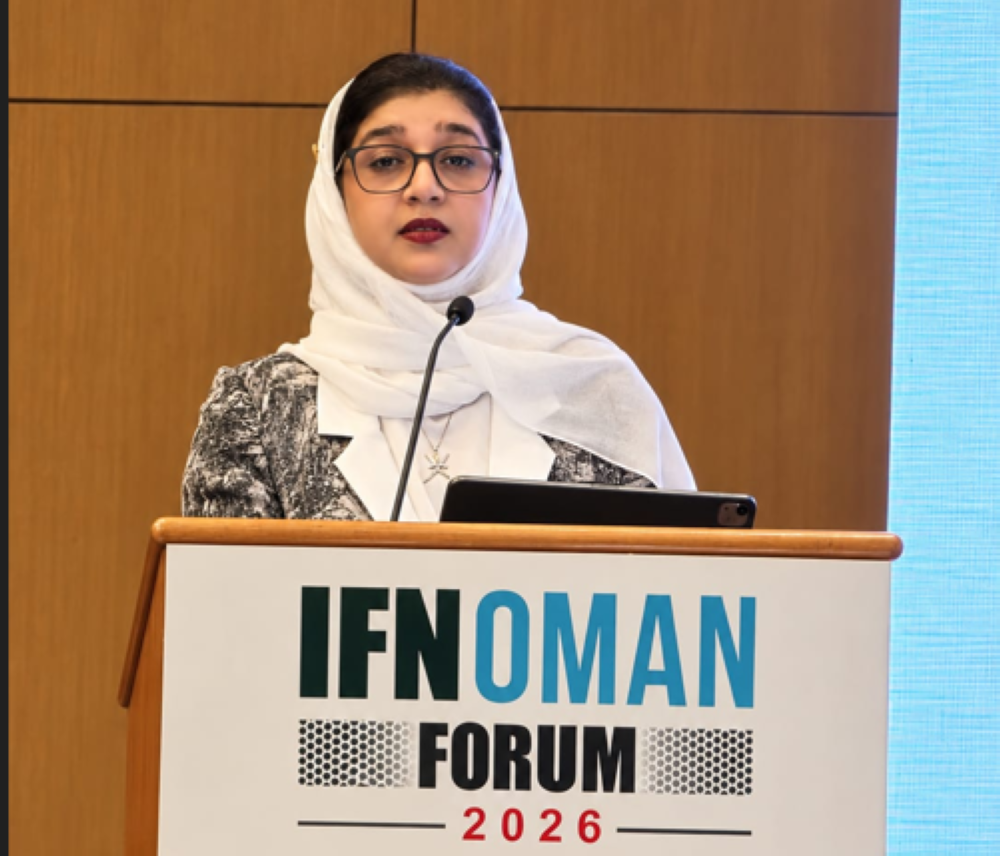
Speaking at the IFN Oman Forum 2026 roundtable on Islamic banking for growth, Moosa said the industry had also recorded significant development beyond traditional bank financing, including sukuk issuances and new financial products and services.
He cited a Ministry of Finance sukuk issuance in June worth RO 100 million, with a re-issue option of RO 120 million. The five-year Ijarah sukuk offered a yield of more than 4.2 per cent.
Moosa identified SME financing as one of the biggest opportunities for Islamic banks to deepen their contribution to Oman's economic diversification.
More than 60 per cent of Islamic bank financing currently goes to corporates and over 30 per cent to households, primarily housing, while SMEs account for only about 3 per cent, he said.
“That’s really a challenge, and I think it’s a great opportunity for Islamic banks to focus on that,” Moosa said.
Islamic banks could use Musharaka, an equity partnership structure, to support SMEs, subject to regulatory approval, while moving beyond traditional collateral-based lending towards cash-flow assessments and data analytics, he added.
Sami Arfah Bait Rashid, Assistant General Manager at Meethaq Personal Banking, said customer behaviour had evolved considerably since Islamic banking was introduced largely in response to public demand.
Initially, many customers migrated to Islamic banks principally because they wanted Sharia-compliant services. That was followed by customers comparing costs between Islamic and conventional banking, while the market has now entered a more mature phase.
Customers increasingly expect “simplicity in terms of transactions, speed, transparency as well as personalisation,” Bait Rashid said.
Islamic banks and windows therefore need stronger value propositions built around customer needs, while maintaining sufficient margins to ensure their business models remain sustainable, he added.
Suleman Muhammad, Head of Islamic Products and Segments at Muzn Islamic Banking, said the retail market had matured significantly, with Islamic banks now providing most major products, including housing and auto finance and credit cards.
Sharia compliance alone was consequently no longer sufficient to attract customers, who were increasingly assessing banks on customer service and digital capabilities.
“The playing field has levelled,” Muhammad said, adding that digitisation could become a major source of future growth.
He said Musharaka structures could have particular potential for SMEs, which often have fewer financing options than large corporations.
However, applying genuine profit-and-loss sharing arrangements to smaller companies requires greater financial transparency. Fragmented business data and the limited availability of audited cash-flow information remain significant obstacles.
Artificial intelligence could help banks overcome some of those constraints by analysing cash flows, point-of-sale transactions and other financial information to develop Musharaka structures tailored to SMEs while allowing lenders to better assess risk, Muhammad said.
Banks would still have to balance greater risk-sharing with their responsibility towards depositors, whose risk profiles generally differ from those of equity investors.
Moosa said Islamic banks already possess an inherent competitive advantage through the principles of Sharia, including trust and fairness in transactions, but this needs to be reinforced by digital convenience and competitive products and services.
The roundtable, moderated by Aisha al Kharusi, Deputy Executive Chairperson of the Modern College of Business and Science, highlighted a broader shift in Oman's Islamic banking market from rapid balance-sheet growth towards improving customer experience, technology and access to finance.
With Islamic banking now accounting for more than a fifth of banking assets, greater SME financing could provide the industry with another avenue for growth while supporting private-sector development and economic diversification.
Oman Observer is now on the WhatsApp channel. Click here