




MUSCAT: After 156 years in Oman and a business history spanning seven Sultans, Khimji Ramdas is considering a partial public listing as part of a longer-term strategy to ensure that the business can continue independently of future generations of the family.
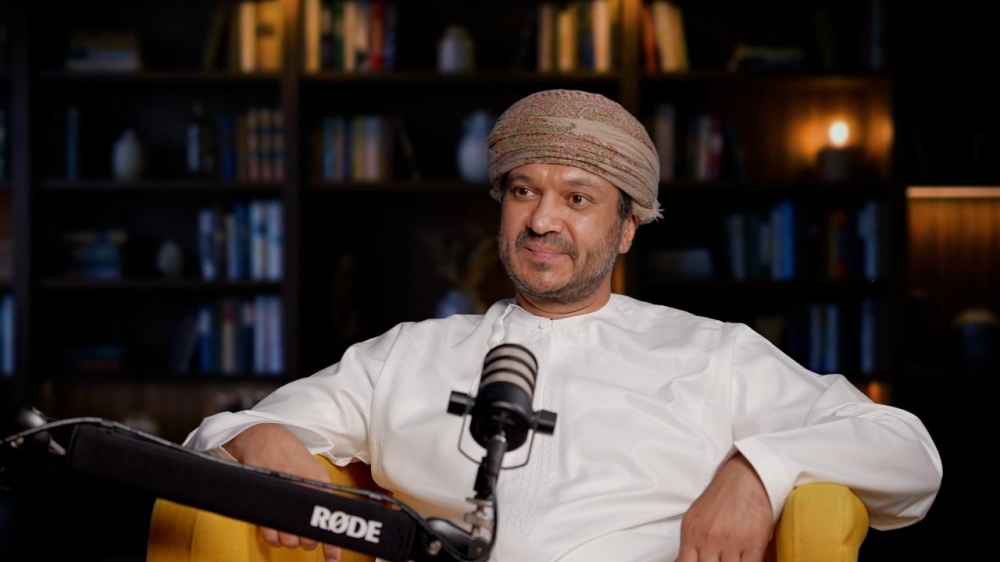
Speaking on the latest episode of the Mizan podcast, Nailesh Khimji said the group had reached a scale where it should seriously consider taking part of the business public. However, he stressed that such a move would not be aimed at raising capital.
Khimji said the company is almost debt-free and largely funds its expansion from its own resources. Instead, a public listing would be about creating permanence and ensuring continuity, regardless of whether future family members choose to remain involved in the business.
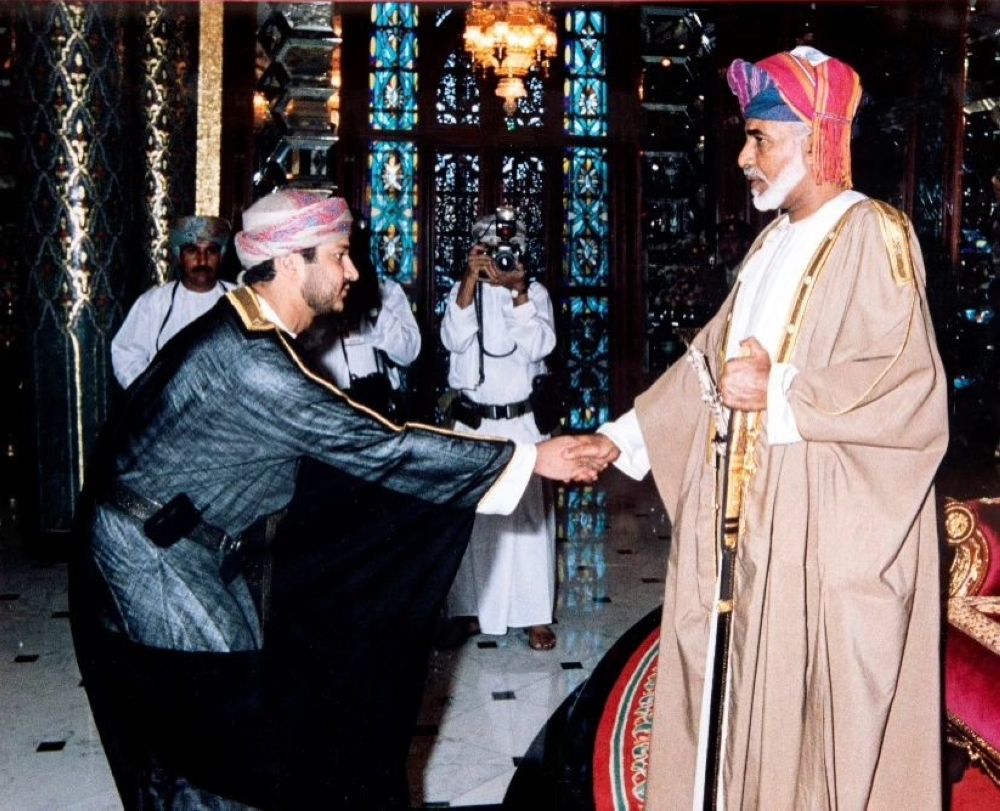
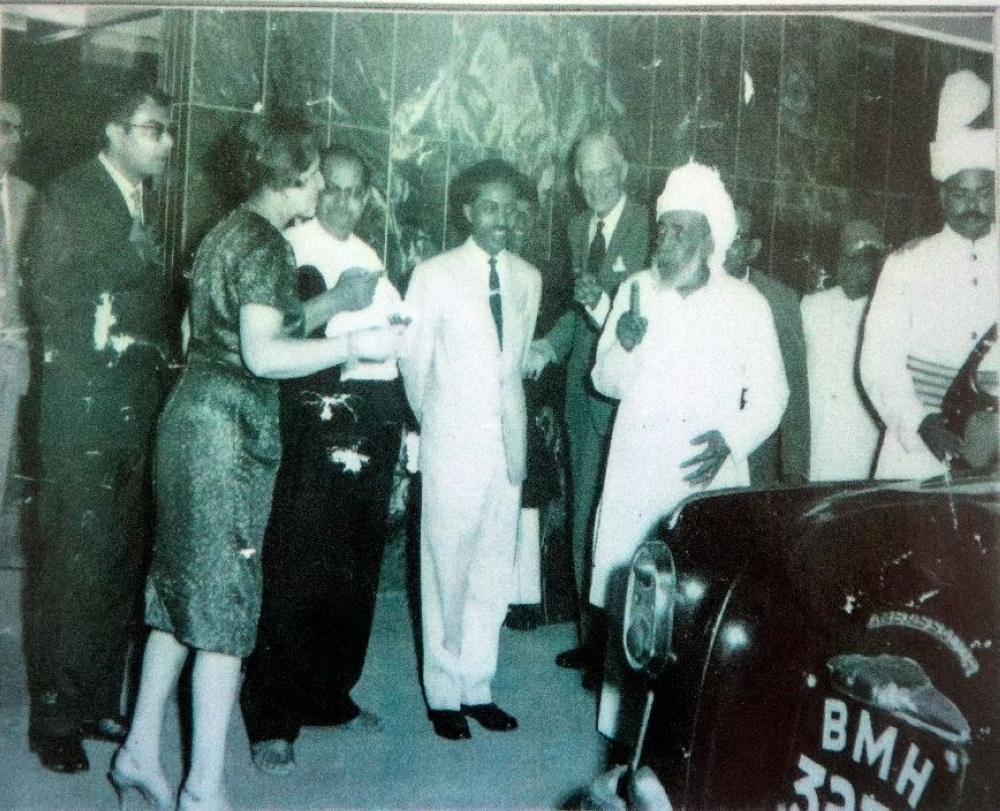
The fifth-generation family member said Khimji Ramdas has witnessed seven Sultans during its 156-year presence in Oman, with adaptability playing a major role in its longevity. The business traces its roots to trading goods between Oman, India and Africa, initially through barter, before evolving alongside the changing needs of Oman and its people.
Today, the group has more than 40 businesses organised under four clusters — consumer, infrastructure, luxury and lifestyle, and projects and logistics. Khimji described the common thread across the businesses as supply chain, with the company focusing on moving products from ports and airports through the various stages required to reach consumers.
Rather than diversifying into unrelated sectors, he said the group's strategy is to take its existing expertise into new markets. Its regional expansion has partly been driven by international principals asking the company to replicate what it does in Oman in markets such as Saudi Arabia, the UAE and India.
A major theme of the conversation was the transformation of Khimji Ramdas from a “family-run” business into a “family-owned” enterprise. Khimji said the process of professionalising decision-making began decades ago, with the group changing its approach from around 1999.
Non-family professionals now manage the group's four business clusters, while family members remain at board level rather than making day-to-day operating decisions. The approach, he explained, is intended to strengthen accountability and prevent business decisions from becoming sources of disagreement within the family. Executives are expected to assess proposals on their commercial merits and can reject ideas from family directors if they are not viable.
Khimji also highlighted ethics and organisational culture as two principles behind the group's longevity. Business decisions, he said, should be made in a way that does not leave future generations dealing with the consequences of wrongdoing.
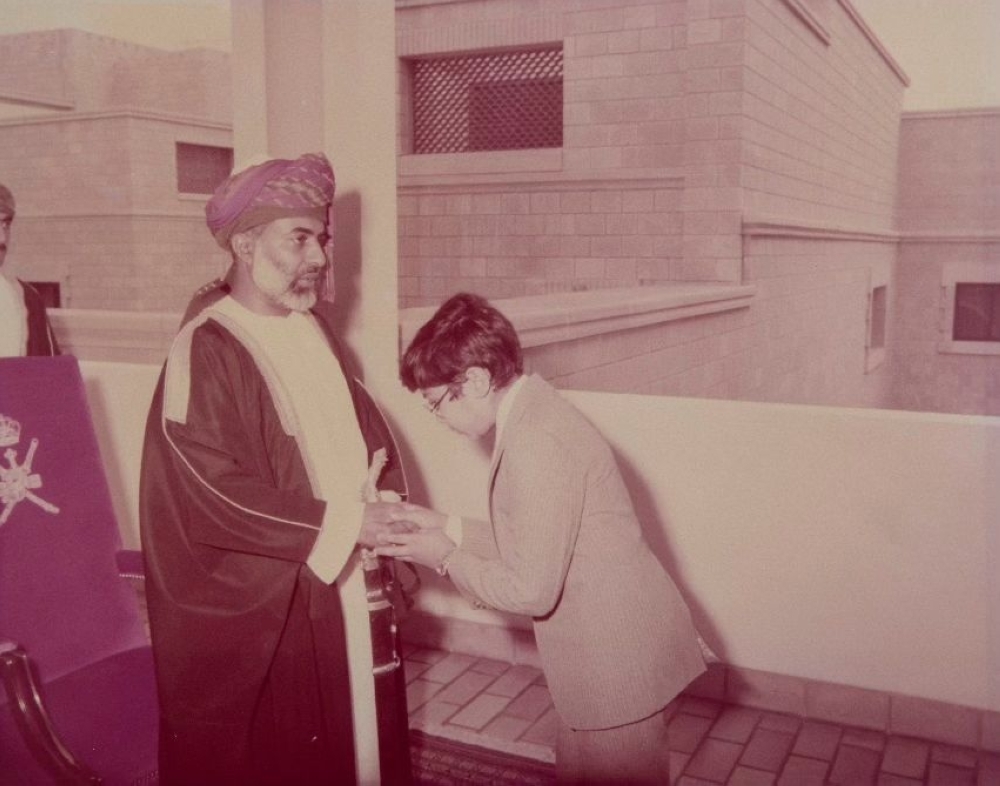
That philosophy also extends to employees, who should feel part of an extended family rather than simply holding a job. Khimji said some families have worked with the company across three generations, with later generations progressing into management and senior positions.
On Oman's changing business environment, Khimji welcomed reforms aimed at making commercial dispute resolution more efficient. He also highlighted the importance of alternative dispute resolution and arbitration mechanisms that can accommodate the expectations of international businesses operating in Oman.
Discussing financing and entrepreneurship, he said investment banking could play an important role in supporting new businesses aligned with Oman Vision 2040. Banks, he argued, need the ability to evaluate the viability of projects themselves rather than relying heavily on the previous business record or personal guarantees of entrepreneurs, particularly when dealing with young graduates entering emerging industries.
Khimji Ramdas itself, however, has little appetite for moving into venture capital or unrelated businesses. Khimji said the group prefers to concentrate on areas where it already possesses expertise and expand those capabilities regionally.
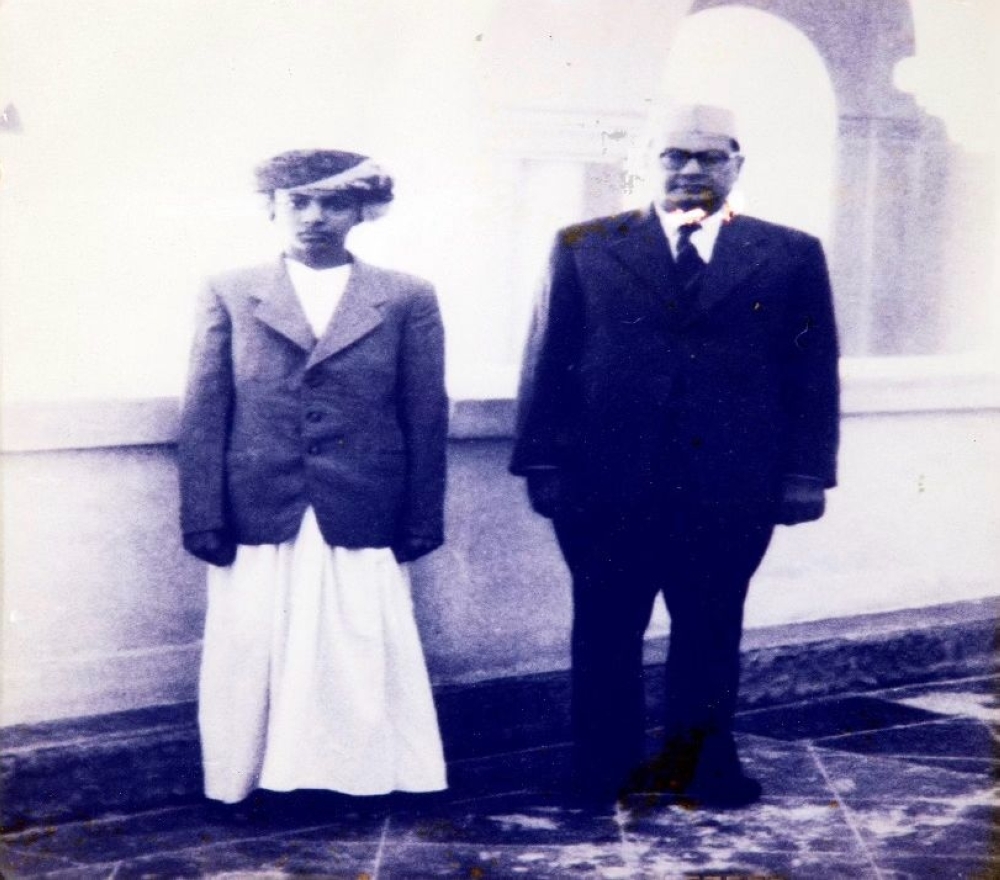
The group is also participating in areas linked to Oman Vision 2040 through its infrastructure, projects and logistics operations. Khimji cited work connected with port expansion, dredging, port services and logistics among its activities.
Looking back at the company's history, Khimji also recalled how the nature of commerce in Oman has changed dramatically. Earlier generations traded dates and lime and brought goods into Oman from India and Africa through barter. Today's business environment may be vastly different, but he said the underlying ability to adapt remains essential.
That adaptability is also reflected in how successive generations are prepared for leadership. Khimji said younger family members have traditionally been educated abroad from an early age to expose them to different cultures and ways of thinking, while retaining a strong understanding of Oman. Such exposure, he said, helps build resilience and allows future generations to incorporate the best elements of different cultures into their business thinking.
For Khimji, the underlying philosophy remains one of long-term thinking — building relationships, protecting the reputation inherited from previous generations and creating a business capable of surviving beyond the family members currently running it.

Oman Observer is now on the WhatsApp channel. Click here